
Introduction
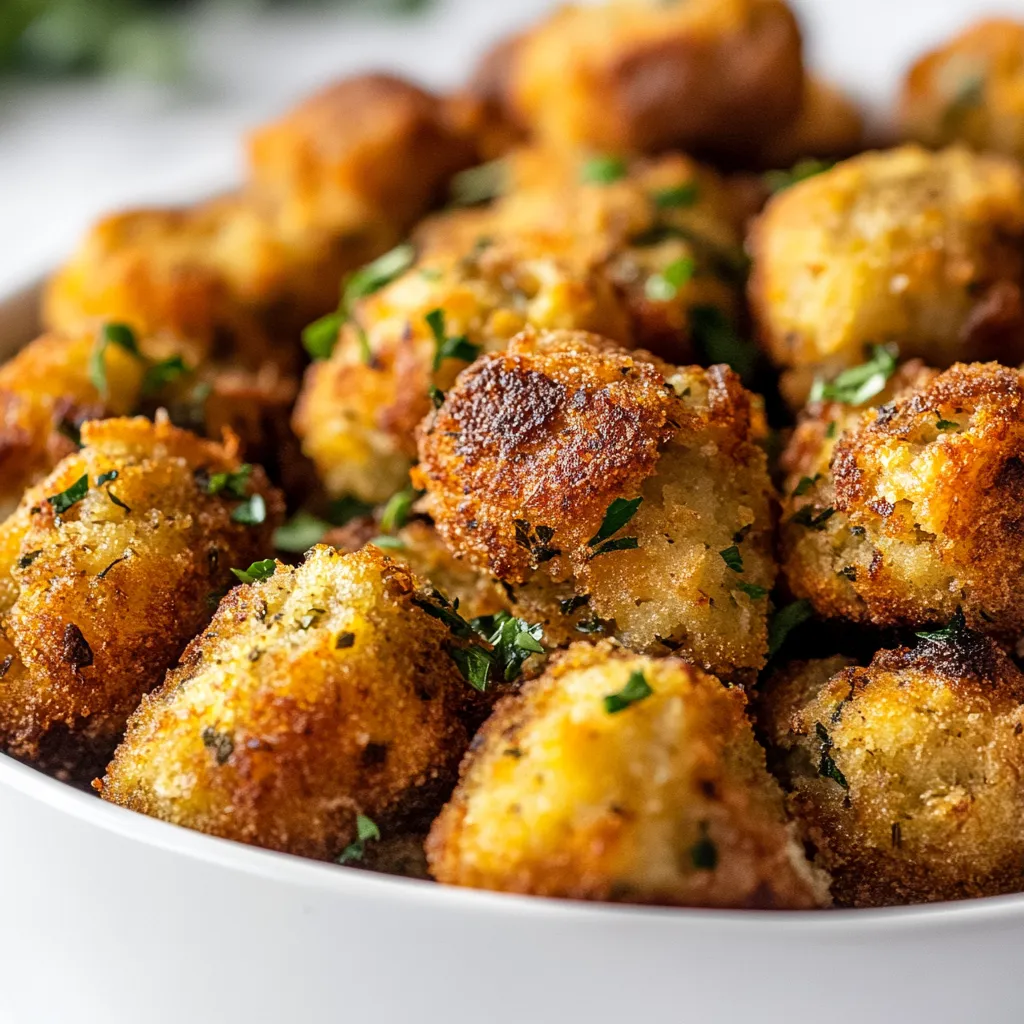
The holiday season is a time for togetherness, celebration, and, of course, incredible food. One dish that delights the palate and brings a festive spirit to the table is the Ultimate Holiday Stuffing Balls. These deliciously seasoned morsels are not just a humble side dish; they elevate any meal with their delightful mix of textures and flavors. The stuffing balls boast a satisfying crunch on the outside, giving way to a soft and savory interior that is sure to impress family and guests alike.
Whether served alongside a grand turkey feast or enjoyed as a standalone vegetarian option, these stuffing balls are incredibly versatile. Their hearty ingredients make them suitable for any holiday gathering, from casual dinners to elegant celebrations. With aromatic herbs and fresh vegetables folded into stale bread, each bite is a comforting reminder of the holiday spirit. Let’s dive deeper into this delightful recipe that will soon become a cherished tradition at your holiday table.
Recipe Overview
– Prep Time: 15 minutes
– Cook Time: 30 minutes
– Total Time: 45 minutes
– Course: Side Dish
– Cuisine: American
– Servings: 10
– Calories: Approximately 150 per serving
Ingredients
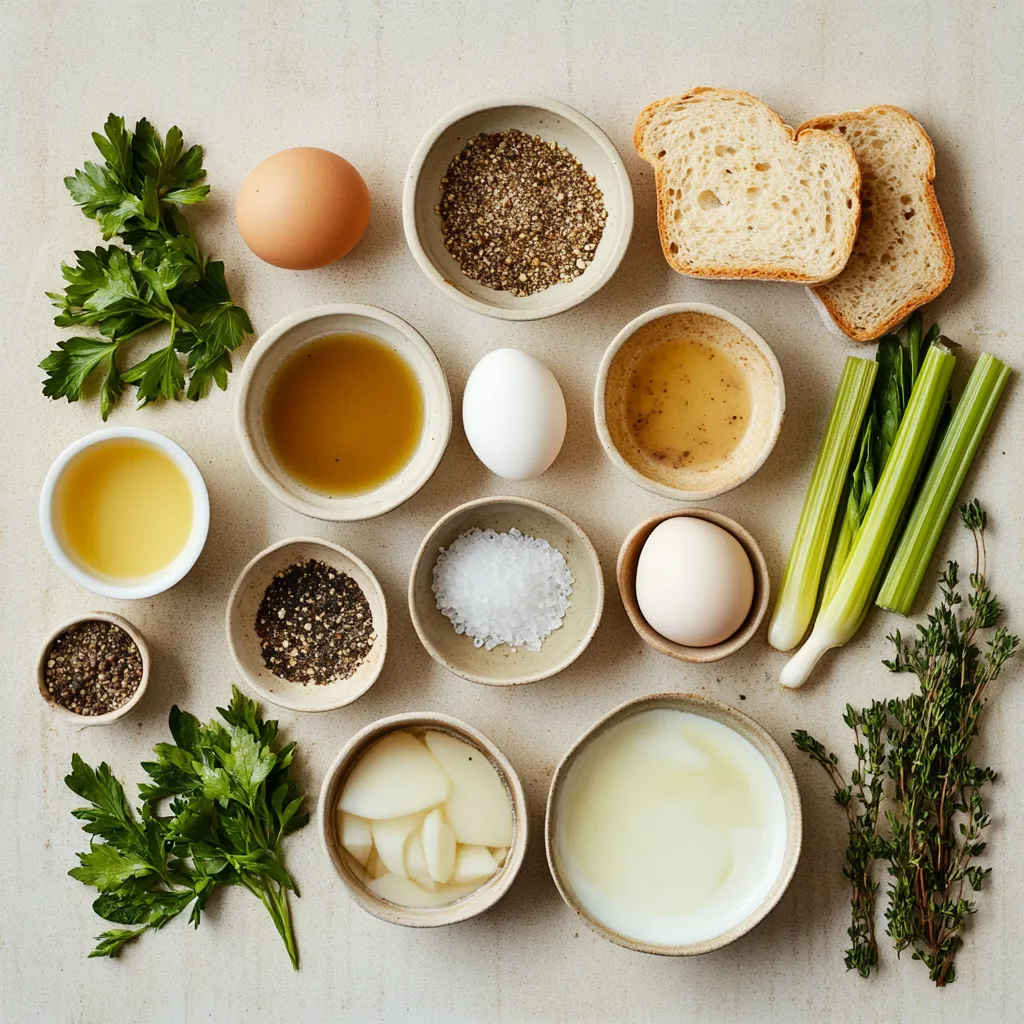
– 4 cups of stale bread, cut into cubes
– 1 cup of vegetable broth
– 1/2 cup of onion, finely diced
– 1/2 cup of celery, finely diced
– 1/4 cup of fresh parsley, chopped
– 1 teaspoon of dried sage
– 1 teaspoon of dried thyme
– 1/2 teaspoon of salt
– 1/4 teaspoon of freshly ground black pepper
– 1 large egg, beaten
Instructions
1. Begin by preheating your oven to 375°F (190°C). Prepare a baking sheet by lining it with parchment paper for easy cleanup.
2. In a large skillet, heat a drizzle of olive oil over medium heat. Add the finely diced onion and celery, sautéing them until they become tender and fragrant, approximately 5 minutes.
3. In a spacious mixing bowl, combine the cubed stale bread with the sautéed onion and celery mixture. Add the chopped parsley, dried sage, dried thyme, salt, and black pepper, mixing well to ensure the bread is evenly coated with the herbs and vegetables.
4. Carefully pour the vegetable broth over the bread mixture, stirring gently until all the bread cubes have absorbed the liquid and the mixture is well combined.
5. Incorporate the beaten egg into the mixture, stirring until everything is evenly coated and the mixture holds together.
6. With clean hands, scoop out portions of the mixture and roll them into balls, about 2 inches in diameter. Place each ball on the prepared baking sheet, leaving space between them for even cooking.
7. Bake in the preheated oven for 25 to 30 minutes, or until the stuffing balls are golden brown and crispy on the outside.
8. Once baked, remove from the oven and allow them to cool slightly on the baking sheet before serving.
Presentation Tips
To truly showcase your Ultimate Holiday Stuffing Balls, consider serving them on a festive platter. Adding a touch of greenery, such as additional fresh parsley or a sprinkle of paprika, not only enhances their visual appeal but also adds a refreshing pop of color. For an extra layer of flavor, pair the stuffing balls with a side of tangy cranberry sauce or your favorite dipping sauce. This creates a delightful contrast and enriches the dining experience, making your gathering even more memorable.
Preheating the Oven
One of the crucial steps in preparing the Ultimate Holiday Stuffing Balls is to preheat the oven properly. This ensures that the stuffing balls cook evenly and develop that golden-brown exterior. By setting the temperature to 375°F (190°C), you’re preparing the ideal environment for achieving a crispy shell and a tender inside. Preheating your oven is a step that may seem minor, but it plays a vital role in the success of this dish and is certainly worth the few moments it takes to get right.
Preparing the Baking Sheet
Preparing the baking sheet is another important detail that often goes unnoticed. Lining your baking sheet with parchment paper is highly recommended for ease of cleanup and to prevent the stuffing balls from sticking. This not only saves you time and hassle later but also allows for efficient baking, as the parchment helps achieve a nice crispiness to the bottoms of the stuffing balls. When preparing your baking sheet, consider using enough parchment to cover the entire surface, ensuring all of your delicious creations are well supported during their time in the oven.
Sautéing the Vegetables
Sautéing the vegetables is where your Ultimate Holiday Stuffing Balls will begin to come alive with flavor. Start by heating a drizzle of olive oil in a large skillet over medium heat and adding the finely diced onions and celery. This step is essential to soften the vegetables and release their aromatic qualities. Sauté them for approximately 5 minutes, stirring occasionally to ensure even cooking. The result should be tender, fragrant vegetables that contribute significantly to the overall depth of flavor in your stuffing balls. This aromatic base truly sets the stage for the fresh herbs and bread to shine.
Combining Bread and Vegetables
Once the onion and celery are tender and fragrant, it’s time to combine them with the stale bread. In a spacious mixing bowl, combine the cubed stale bread with the sautéed onion and celery mixture. It’s crucial to mix these ingredients well, as this process ensures that the flavors are evenly distributed throughout the bread. The stale bread acts as a vessel, soaking up all the delightful juices and seasonings from the sautéed vegetables. Make sure each piece of bread is coated before proceeding to the next steps.
Adding Herbs and Seasonings
The dish wouldn’t be complete without the delightful infusion of herbs and seasonings. By adding chopped fresh parsley, dried sage, dried thyme, salt, and freshly ground black pepper to the bread mixture, you enhance the flavor profile of your stuffing balls. Fresh herbs bring brightness and vibrancy, while dried herbs offer a concentrated punch of flavor in each bite. Mixing these thoroughly into the bread and vegetable composition allows all the ingredients to shine while providing that quintessential holiday taste.
Incorporating Vegetable Broth
The next key ingredient is the vegetable broth, which is essential for hydrating the bread mixture. Carefully pouring the vegetable broth over the combined ingredients helps to moisten the stale bread, allowing it to absorb the flavorful liquid. Gently stir the mixture to ensure that all the bread cubes are saturated, which is crucial for achieving the desired texture. You’ll know the mixture is ready when it is combined well and no dry chunks of bread remain visible. This step is crucial, as the texture of your stuffing balls largely depends on how well the bread absorbs the broth.
Binding the Mixture
An equally important aspect of preparing Ultimate Holiday Stuffing Balls is binding the mixture. The incorporation of a beaten egg acts as a crucial element in ensuring everything holds together. When you add in the egg, be sure to stir it in evenly, so that all ingredients are lightly coated. The egg’s proteins will help to form a cohesive mixture as it bakes, resulting in perfectly shaped stuffing balls that won’t crumble apart during baking or serving. Proper binding contributes to the overall texture one expects in a stuffing ball.
Forming the Stuffing Balls
At this point, your mixture is ready to be shaped into balls. Using clean hands, scoop out portions of the mixture and roll them into balls—aim for a size of approximately 2 inches in diameter. It’s important to leave space between each ball on the baking sheet, as this will allow for even cooking and crisping. Creating the perfect shape not only makes them visually appealing but also allows for consistent baking throughout the batch, ensuring each ball reaches that delectable golden brown color.
Baking the Stuffing Balls
Finally, it’s time to bake your stuffing balls. Placing them in the preheated oven allows the exterior to develop a delightful crunch while the inside stays moist and flavorful. Bake the stuffing balls for 25 to 30 minutes, or until they are golden brown. This final step brings everything together, transforming an assortment of ingredients into a beautifully baked dish that is bursting with flavor. After baking, allow them to cool slightly on the baking sheet before serving to ensure that they hold their shape while you prepare for the festivities to unfold.
These Ultimate Holiday Stuffing Balls are more than just a side dish; they are a celebration of hearty flavors and seasonal ingredients, thoughtfully prepared to enhance your holiday gatherings.
Importance of Timing for Perfect Golden-Brown Balls
Timing is crucial in achieving those signature golden-brown stuffing balls that are both crispy on the outside and tender within. Baking these delightful morsels for the recommended 25 to 30 minutes at 375°F (190°C) will ensure that the exterior is browned to perfection while the inside remains soft and flavorful. It’s essential to keep an eye on the oven during the last few minutes of baking, as oven variances can affect cooking times. If the stuffing balls have not reached the ideal golden hue after 30 minutes, an additional 5 minutes may be necessary, but be careful to avoid overcooking, which can lead to a dry texture.
Visual Cues to Determine Doneness
To help gauge the readiness of your stuffing balls, use visual cues. The outside should be a beautiful golden brown, indicating that the balls have developed a crispy crust. Additionally, the aroma wafting through your kitchen will be a strong indicator when they are nearly done. If the balls seem to be browning too quickly while the inside is still soft, consider adjusting the oven temperature slightly and rotating the baking sheet for even cooking.
Cooling Before Serving
Reasons to Allow Cooling on the Baking Sheet
After pulling the stuffing balls from the oven, it’s wise to allow them to cool on the baking sheet for a few minutes. This not only helps prevent burns but also allows the balls to firm up slightly, making them easier to handle later. Cooling helps maintain the ideal texture, balancing the crunch of the exterior with the fluffiness of the interior.
Best Practices for Achieving the Right Texture
To achieve the best texture, avoid stacking the balls immediately after baking. Instead, ensure they have room to breathe, as stacking can lead to steaming and a loss of their crispy exterior. If the stuffing balls are too soft after cooling, they may need a few more minutes in the oven. This can be remedied by keeping a watchful eye during the baking process.
Presentation Tips
Garnishing the Dish
Presentation is key to enhancing the dining experience, especially during festive occasions. When serving your stuffing balls, consider garnishing them with freshly chopped parsley or a light sprinkle of paprika. This small touch adds both color and a fresh flavor that can brighten the dish. Other options include finely chopped chives or drizzling a herb-infused oil around the plate for an elegant appearance.
Ideas for Enhancing Presentation at Holiday Gatherings
To make your stuffing balls stand out on the holiday table, use a decorative platter or tiered stand for an attractive display. Integrating festive colors through your serving dish can further amplify their visual appeal. Consider placing some seasonal greenery or decorative cranberries around the platter as a beautiful accent, which can also tie into the overall holiday theme.
Accompaniments
Recommended Sauces Like Cranberry Sauce
To elevate the flavors of your stuffing balls, consider serving them with a delightful sauce. Cranberry sauce, with its tartness, complements the savory stuffing beautifully. Additionally, a zesty orange hollandaise or even a simple garlic aioli can provide exciting new dimensions to the dish. Each sauce will bring a different tang, ensuring variety with every bite.
Pairing Ideas That Elevate Flavor Profiles
When planning your holiday meal, think about how the stuffing balls can tie into the overall flavor profiles of the main dishes. For example, pairing them with a herb-marinated roast chicken or honey-glazed ham can create a harmonious balance, as the stuffing’s herbs will resonate with the seasonings used in these main courses. Accompanying side dishes like roasted vegetables or creamy mashed potatoes round out the meal wonderfully.
Nutritional Breakdown
Caloric Information
Each serving of the Ultimate Holiday Stuffing Balls contains approximately 150 calories, making them a relatively light side dish option that can fit well into many dietary plans. The nutritious ingredients, such as the vegetables and herbs, adds fiber and flavor, contributing to a balanced meal. This allows diners to enjoy a holiday feast without overindulging.
Benefits of This Dish in a Balanced Diet
Incorporating stuffing balls into your holiday meals presents an opportunity to enjoy a hearty side without compromising overall health. Their composition of fresh vegetables and whole bread makes them a source of carbohydrates and essential nutrients. Moderation is key, and serving them alongside lean proteins and fresh salads can create a well-rounded dining experience.
Serving Suggestions
Suggested Serving Size
Each recipe yields approximately 10 servings. This makes the stuffing balls an ideal option for larger gatherings such as holiday parties or family dinners. By providing an ample quantity, guests can enjoy them as a shared dish, enhancing the communal dining experience.
Tips for Pairing with Main Dishes During Holiday Meals
When designing your holiday menu, consider the balance of flavors and textures between main dishes and side options. The stuffing balls pair well with roasted meats like turkey or beef. Their savory profile complements richer entrees while offering a contrasting texture that enhances each bite. Consider their versatility to accommodate various holiday favorites.
Culinary Variations
Alternative Herbs
If you want to experiment with flavors, consider substituting or adding different herbs in the mix. For instance, rosemary adds a woodsy aroma, while basil can introduce a fresh twist. Depending on personal preference, you can tailor the stuffing balls to suit your particular tastes, making it adaptable for various occasions.
How Different Herbs Can Change the Dish’s Flavor Profile
Playing with herbs can significantly alter the flavor profile. For instance, using Italian herbs will impart a Mediterranean flair, while an infusion of cumin or coriander can give the stuffing a unique global twist. Be creative and experiment with various herb combinations to discover exciting new flavors.
Different Types of Bread
Exploring Various Bread Options for Different Textures
While stale bread is a staple for this recipe, the type of bread used can dramatically influence the texture of the stuffing balls. For a denser variant, sourdough offers a tangy flavor that pairs well with traditional seasonings. Likewise, brioche or challah can give a subtle sweetness to the dish.
Recommendations for Gluten-Free Alternatives
For those with dietary restrictions, gluten-free bread options are readily available. Look for gluten-free artisan bread or your favorite brand of gluten-free loaf to maintain the integrity of the dish while accommodating various dietary needs.
Seasonal Additions
Ideas for Incorporating Seasonal Vegetables
Enhance your stuffing balls by including seasonal vegetables such as diced butternut squash, grated carrots, or sautéed mushrooms. These additions introduce new flavors and textures while keeping the dish vibrant and relevant throughout the year.
How to Adjust the Recipe for Different Times of the Year
Depending on the season, adjusting the ingredients can refresh this dish. For example, during autumn, adding apple chunks could bring a sweet note, while spring would benefit from vegetables like asparagus or peas blended into the stuffing mixture, ensuring that the recipe remains versatile and delightful year-round.
Flavor Enhancements
Adding Cheese
Types of Cheese That Complement the Stuffing Balls
Incorporating cheese can add a creamy richness to the stuffing balls. Consider using shredded sharp cheddar, feta, or even mozzarella. These choices can enhance the flavor without overpowering the compelling herb and vegetable undertones.
Considerations for Mixing in Cheese Without Overwhelming the Dish
When adding cheese, it’s best to incorporate it in moderation. Too much cheese can mask the delightful flavors of the other ingredients. Aim for a balance, using about a half-cup of shredded cheese mixed into the stuffing before rolling them into balls for optimal results.
Spice It Up
Options for Adding Spices for Those Who Enjoy a Spicy Kick
For those looking to enhance their stuffing balls further, consider adding a pinch of red pepper flakes or finely chopped jalapeños for some heat. This can offer an exciting contrast to the traditional flavors present in the dish.
How Much Spice to Add for Balanced Flavor
Adding spices should be done with caution. Start with a small pinch and gradually increase, tasting as you go to ensure the flavors remain balanced. The aim is to create a warmth that complements rather than dominates the dish.
Storage Advice
Refrigeration Tips
Best Practices for Storing Leftovers
Should you find yourself with leftover stuffing balls, store them in an airtight container in the refrigerator. This will preserve their freshness and extend their viability for future meals. Ensure the balls are completely cooled before placing them in the fridge to prevent condensation, which can lead to sogginess.
How Long the Stuffing Balls Can Be Kept in the Fridge
Properly stored, the stuffing balls can last up to 3 to 5 days in the refrigerator. Ensure to check for any signs of spoilage before consuming.
Reheating Instructions
Methods for Reheating: Oven vs. Microwave
When reheating, the oven is the best option for maintaining the stuffing balls’ crispy exterior. Preheat to 350°F (175°C) and place the balls on a baking sheet for about 10-15 minutes until warmed through. If time is short, the microwave can be used, but it may result in a softer texture.
Ideal Temperature for Reheating to Maintain Texture
When reheating, ensure that the stuffing balls reach an internal temperature of 165°F (74°C) for safe consumption while also keeping the texture intact. The goal is to keep them warm without compromising the delightful outer crunch.
Conclusion
The Ultimate Holiday Stuffing Balls are a wonderful addition to any meal, offering a perfect balance of crispness and softness with every bite. With a preparation time of just 15 minutes and a cooking time of 30 minutes, this dish can easily be integrated into any holiday menu. Ideal for large gatherings, each serving is approximately 150 calories, allowing guests to enjoy a well-rounded dish alongside their festive feast. The harmonious flavors and festive aroma this dish brings will surely delight everyone at the table.
Ultimate Holiday Stuffing Balls Recipe for Festive Gatherings
Ingredients
- 4 cups stale bread cut into cubes
- 1 cup vegetable broth
- ½ cup onion finely diced
- ½ cup celery finely diced
- ¼ cup fresh parsley chopped
- 1 teaspoon dried sage
- 1 teaspoon dried thyme
- ½ teaspoon salt
- ¼ teaspoon freshly ground black pepper
- 1 large egg beaten
Instructions
- Preheat your oven to 375°F (190°C) and line a baking sheet with parchment paper.
- Heat olive oil in a skillet over medium heat and sauté the onion and celery until tender, about 5 minutes.
- In a mixing bowl, combine the stale bread with the sautéed onion and celery.
- Add parsley, sage, thyme, salt, and pepper, mixing well.
- Pour vegetable broth over the mixture and stir until the bread absorbs the liquid.
- Incorporate the beaten egg, stirring until the mixture holds together.
- Roll portions of the mixture into balls, about 2 inches in diameter, and place them on the baking sheet.
- Bake for 25 to 30 minutes until golden brown and crispy.
- Allow to cool slightly before serving.