
Introduction
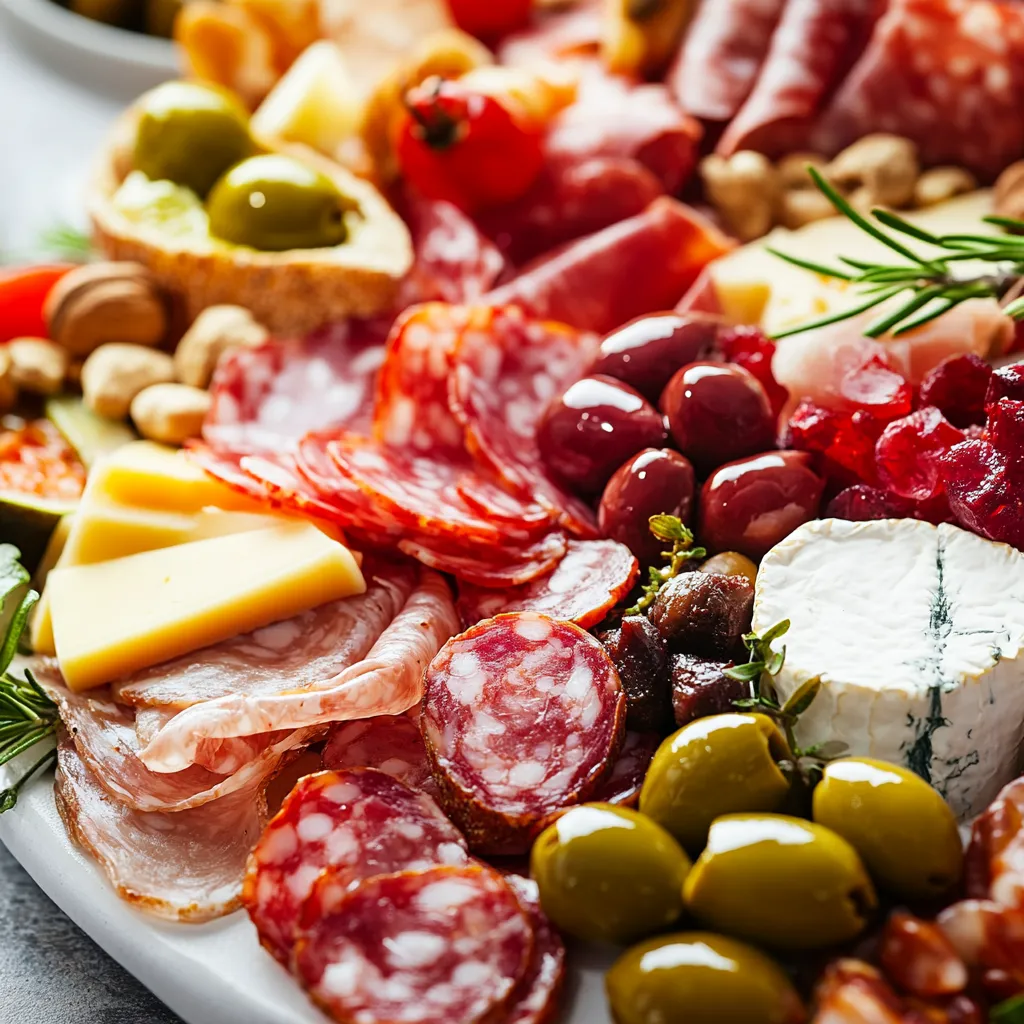
Delve into the delightful world of charcuterie, where taste meets visual artistry. A charcuterie board is more than just food; it’s an experience that brings friends and family together. The art of crafting a charcuterie board lies in the careful curation of flavors, textures, and colors, creating a feast for the senses that delights both the eyes and the palate. Perfect for celebrations, gatherings, or even an intimate dinner at home, these boards offer something for everyone, making them an ideal centerpiece for any occasion.
Assemble your ingredients thoughtfully, and you’ll create a vibrant tableau bursting with personality. Whether you are a seasoned host or a newcomer to entertaining, the charm of a charcuterie board lies in its versatility. This guide will take you step-by-step through the construction of a perfect charcuterie board, allowing you to mix and match seasonal ingredients to elevate your gatherings.
With various cured meats, artisanal cheeses, fresh fruits, pickled vegetables, and dips, your guests will be invited to create their flavor combinations, exploring the delightful contrasts and harmonies that can arise from simple yet high-quality ingredients.
Recipe Overview
– Total Time: 20 minutes
– Servings: 6-8
– Difficulty: Not specified in the recipe
Ingredients
– 1 cup assorted cured meats (such as prosciutto, salami, and chorizo)
– 1 cup artisanal cheeses (including brie, aged cheddar, and blue cheese)
– 1 cup seasonal fruits (like figs, grapes, and sliced apples)
– 1 cup pickled vegetables (featuring gherkins, pickled onions, and carrots)
– 1/2 cup mixed nuts (walnuts, almonds, and pistachios)
– 1/2 cup olives (both green and black varieties)
– 1/2 cup assorted dips (hummus, fig jam, and honey)
– 1 baguette, sliced into pieces
– Fresh herbs for garnish (such as rosemary and thyme)
– Edible flowers for decoration (optional)
Instructions
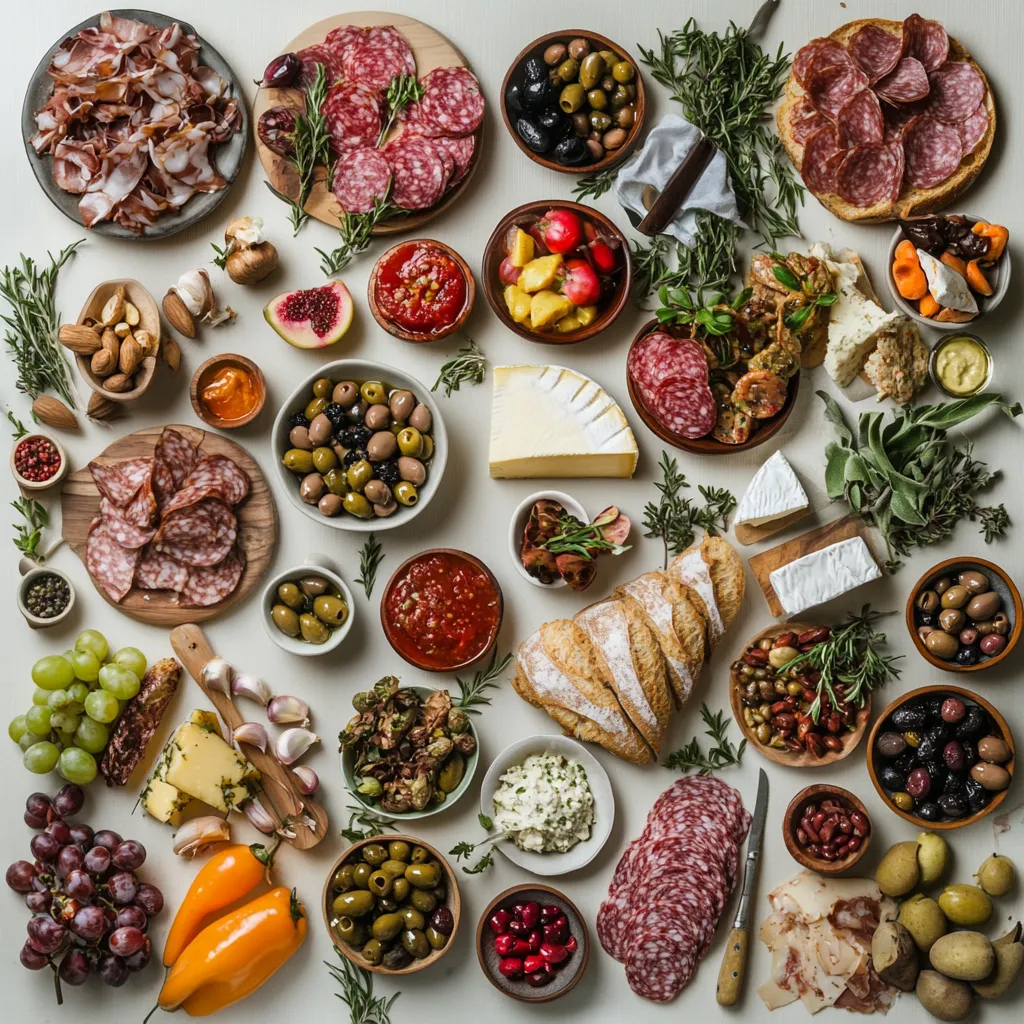
1. Select Your Board: Begin by choosing a large wooden or slate board to serve as the canvas for your charcuterie masterpiece. The size of the board should be appropriate for the number of guests you plan to serve.
2. Arrange the Cheeses: Place the cheeses on the board first. Cut some into wedges while leaving others whole to create visual interest. Ensure they are spaced out evenly to maintain balance across the board.
3. Add the Meats: Take the assorted cured meats and either fold or roll them up. Arrange these around the cheeses, mixing different colors and textures to enhance the visual appeal of the board.
4. Incorporate Fruits: Fill in any empty spaces with seasonal fruits. Scatter grapes throughout, place whole figs strategically, and fan out apple slices to create an eye-catching display.
5. Introduce Pickled Vegetables: Position small bowls or mounds of pickled vegetables around the board. Their tangy flavor will provide a delightful contrast to the richness of the meats and cheeses.
6. Nuts and Olives: Scatter your mixed nuts and olives in small clusters across the board. For the dips, use small ramekins or bowls, placing them conveniently for easy access.
7. Add Bread: Arrange the sliced baguette on the side of the board or directly on top. Consider adding a variety of crackers to provide extra texture and flavor.
8. Final Touches: Garnish your charcuterie board with fresh herbs, such as sprigs of rosemary or thyme. For an extra touch of elegance, sprinkle some edible flowers for a vibrant pop of color.
9. Serve and Enjoy: Invite your guests to serve themselves, encouraging them to explore different combinations of flavors. Enhance the experience by pairing the board with a selection of wines or craft beers.
Selecting Your Board
Understanding how to choose the right board for your charcuterie display can make a significant difference in both the assembly process and the overall presentation of your culinary creation. The board serves as a backdrop, influencing the visual appeal of your assembled ingredients.
Materials
When considering materials, wooden and slate boards are two popular options. A wooden board offers a rustic charm and warmth, enhancing the natural beauty of the ingredients. On the other hand, a slate board provides a sleek, modern look that contrasts beautifully with colorful foods. Each material has its pros and cons; wooden boards can be harder to clean, while slate can be heavy and less forgiving to scratches. Ultimately, the choice may hinge on the aesthetic you wish to achieve.
In terms of sizing, select a board based on the number of guests you plan to serve. A larger board creates ample space for arranging a variety of ingredients organically, allowing for easy accessibility and flow. It’s often better to err on the side of larger; not only does it accommodate more, but it also allows for creative, freeform displays.
Ideal Board Shape
The shape of your board can also impact the arrangement of your ingredients. Rectangular boards are fantastic for linear setups, allowing you to create sections for meats and cheeses or clusters of fruits and vegetables. In contrast, round boards encourage a more communal feel, inviting guests to gather around and share.
For maximizing space, keep in mind that height can play into the arrangement as well. Stacking ingredients or using small stands can create visual interest, helping to draw the eye and enhance the overall aesthetics of the charcuterie presentation.
Arranging the Cheeses
The visual appeal of your charcuterie board begins with the cheese arrangement, setting the tone for a delightful experience.
Cutting Techniques
When it comes to preparing cheeses, cutting techniques significantly impact both the aesthetics and accessibility. Slicing cheese into uniform pieces allows for easy serving while also creating a clean and organized look. Wedge cutting is ideal for blocks of cheese like cheddar or brie, offering a rustic charm. Soft cheeses can be scooped for spreading, while hard cheeses might benefit from being cut into cubes for easy picking. Additionally, presenting a variety of cutting styles can create visual interest, as each type of cheese should be showcased in a way that highlights its unique characteristics.
Placement Strategies
Once the cheeses are cut, it’s crucial to optimize their placement on the board. Consider balancing colors and textures—placing a creamy brie next to a sharp blue cheese introduces contrast, while also enhancing their individual flavors. Space is vital, so distribute cheeses evenly to ensure no section of the board feels overcrowded. Leave enough space between different types of cheeses to encourage guests to sample a variety.
Adding Cured Meats
Cured meats play a key role in highlighting flavors on a charcuterie board, introducing savory elements that complement cheeses and fruits.
Folding Techniques
When arranging cured meats, the way they are folded can dramatically affect their presentation. Rolling the slices into small pinwheels creates dimension and an attractive form that invites guests to take a closer look. Fanning meats out in an overlapping fashion allows for visibility of their marbling and texture, creating a stunning visual feast. Combining various colors and textures—such as the pink of prosciutto and the deep red of chorizo—adds vibrancy, while also ensuring a diverse flavor profile.
Placement Ideas
Strategically placing cured meats near complementary cheeses can enhance the tasting experience. For instance, placing your salami next to a rich aged cheddar invites guests to explore the marriage of flavors. Avoid overcrowding by grouping meats in small clusters, allowing for breathing space that encourages guests to explore each section of the board. This layout not only maximizes visual appeal but also promotes functionality, making it easier for your guests to serve themselves.
Incorporating Seasonal Fruits
Fruits add freshness and contrast to the richness of meats and cheeses, enhancing both flavor and visual appeal.
Strategic Placement
To create a balanced look, consider where you place your fruits. Scattering small fruits like grapes or berry clusters throughout the board provides pops of color and sweetness, breaking up the more robust elements. For larger fruits such as apple slices or figs, fanning them out creates an eye-catching display. This technique allows the vibrant colors and textures to stand out, balancing the overall composition of the board.
Seasonal Selection
Using seasonal fruits is key to ensuring freshness. For fall and winter, consider figs or pears, while spring and summer may call for berries or stone fruits. Freshness is critical, so select fruits that are at their peak ripeness for the best taste. If certain fruits are not available, feel free to explore substitutions like dried fruits for a different texture and flavor experience—just ensure they complement the other ingredients.
Introducing Pickled Vegetables
Pickled vegetables offer vibrant tanginess, which can elevate your charcuterie experience.
Displaying Pickles
How you display pickles can influence their appeal. Using small bowls not only keeps them contained but also makes them approachable. Mounding pickled vegetables creates a casual, communal feel that encourages sharing. Place them strategically around the meats and cheeses, as their tangy acidity contrasts beautifully against rich flavors.
Flavor Contrast
The balance of flavors is essential in a charcuterie board. Tangy pickled vegetables like gherkins or pickled onions can enhance the tasting experience by cutting through the richness of cheeses and fats in meats. To diversify the palate, consider incorporating lesser-known varieties like pickled radishes or even pickled garlic, which can add an unexpected twist and broaden the flavor experience for your guests.
Nuts and Olives Arrangement
Nuts and olives provide texture and richness to your graze board and should be thoughtfully arranged.
Creating Clusters
Consider forming small clusters of nuts and olives on the board. This approach can create a natural balance, enhancing the board’s visual appeal. Mixing various types of nuts not only adds variety in taste—salted nuts can serve as a perfect foil to richer offerings—but also introduces diverse textures. The salty crunch of almonds next to the green smoothness of olives complements the other board elements.
Accessibility
For serving nuts and olives, ramekins work well to keep items contained and easily accessible. Position them at strategic points on the board so guests can easily reach them while sampling. This balance promotes harmony across the board, ensuring that each guest can explore the flavors without feeling cramped or rushed.
Adding Bread and Crackers
Adding bread and crackers serves as the perfect vehicle for enjoying the assortment of meats, cheeses, and spreads on the charcuterie board.
Placement Techniques
For the bread and crackers, arranging the sliced baguette in a fan shape can create visual appeal while making it easily accessible. Alternating the types of crisps or crackers can add a delightful textural contrast, ranging from crunchy to soft, enhancing the tasting experience. Consider placing them near the dips, encouraging guests to pair spreads with both meats and cheeses.
Complementary Offerings
Ensure that the bread and crackers complement the board’s offerings. Crispy options like grissini or crostini work well with soft cheeses, while heartier crackers can stand up to strong flavors of aged cheddars or blue cheese. Additionally, presenting a mix of bread and crackers allows everyone to customize their own tasting experience.
Scaling Your Charcuterie Board
The versatility of a charcuterie board makes it easy to scale up or down depending on the number of guests.
Adjusting Quantities
For smaller gatherings, you might consider the 6-8 servings this recipe specifies. However, for a larger event, simply multiply the ingredient amounts while keeping the ratios consistent. This approach ensures that flavors remain balanced regardless of the board’s size. For an expansive board, consider the addition of extra ingredients such as more cheeses or specialized items like artisan spreads.
Storage
If you have leftovers, proper storage is key to maintaining the quality of your charcuterie board.
Keeping Ingredients Fresh
Meats, cheeses, and fruits should be stored separately. Wrapped tightly in plastic wrap or stored in airtight containers, perishable items can typically last up to three days in the refrigerator. Be cautious with items like pickles and olives, which should also be refrigerated in their brine to extend shelf life.
Reheating
Not applicable for this recipe, as charcuterie boards are intended to be served cold.
Troubleshooting
When assembling your charcuterie board, you may encounter common issues. If ingredients are not flowing together well, revisit spacing and color balance. Overcrowding can lead to a visually unappealing board, so it’s essential to reassess and reallocate items for maximum impact.
FAQs
Can I prepare the board in advance?
Yes, you can assemble your charcuterie board a few hours ahead of your event. Just be sure to cover it well to maintain freshness.
What types of cheeses work well on a charcuterie board?
A mix of soft, hard, and blue cheeses is ideal for variety. The goal is to achieve a balance of flavors and textures.
How long can I leave the board out for serving?
Generally, it’s advisable to keep the board out for no more than two hours to minimize the risk of spoilage, especially in warm environments.
What types of wine pair well with a charcuterie board?
The best wine pairings depend on the types of meats and cheeses. Generally, a light white or sparkling wine complements lighter meats, while a robust red can pair excellently with richer cheeses and cured meats.
In conclusion, a charcuterie board creates a delightful spread that combines various textures and flavors, ensuring something for every palate. With a preparation time of just 20 minutes, you can bring together a feast for your senses, visually pleasing and full of taste. The experience of sharing and sampling together enhances the enjoyment, making it a perfect centerpiece for gatherings.
Charcuterie Wonderland: A Feast for the Senses
Ingredients
- 1 cup assorted cured meats
- 1 cup artisanal cheeses
- 1 cup seasonal fruits
- 1 cup pickled vegetables
- ½ cup mixed nuts
- ½ cup olives
- ½ cup assorted dips
- 1 baguette
- fresh herbs for garnish
- edible flowers for decoration
Instructions
-
Choose a large wooden or slate board for serving.
-
Arrange the cheeses on the board, cutting some into wedges.
-
Fold or roll the assorted cured meats and place them around the cheeses.
-
Fill empty spaces with seasonal fruits, scattering grapes and fanning out apple slices.
-
Position small bowls of pickled vegetables around the board.
-
Scatter mixed nuts and olives in clusters, placing dips in small ramekins.
-
Arrange sliced baguette on the side or on top of the board.
-
Garnish with fresh herbs and sprinkle edible flowers for decoration.
-
Invite guests to serve themselves and enjoy different flavor combinations.