
Introduction
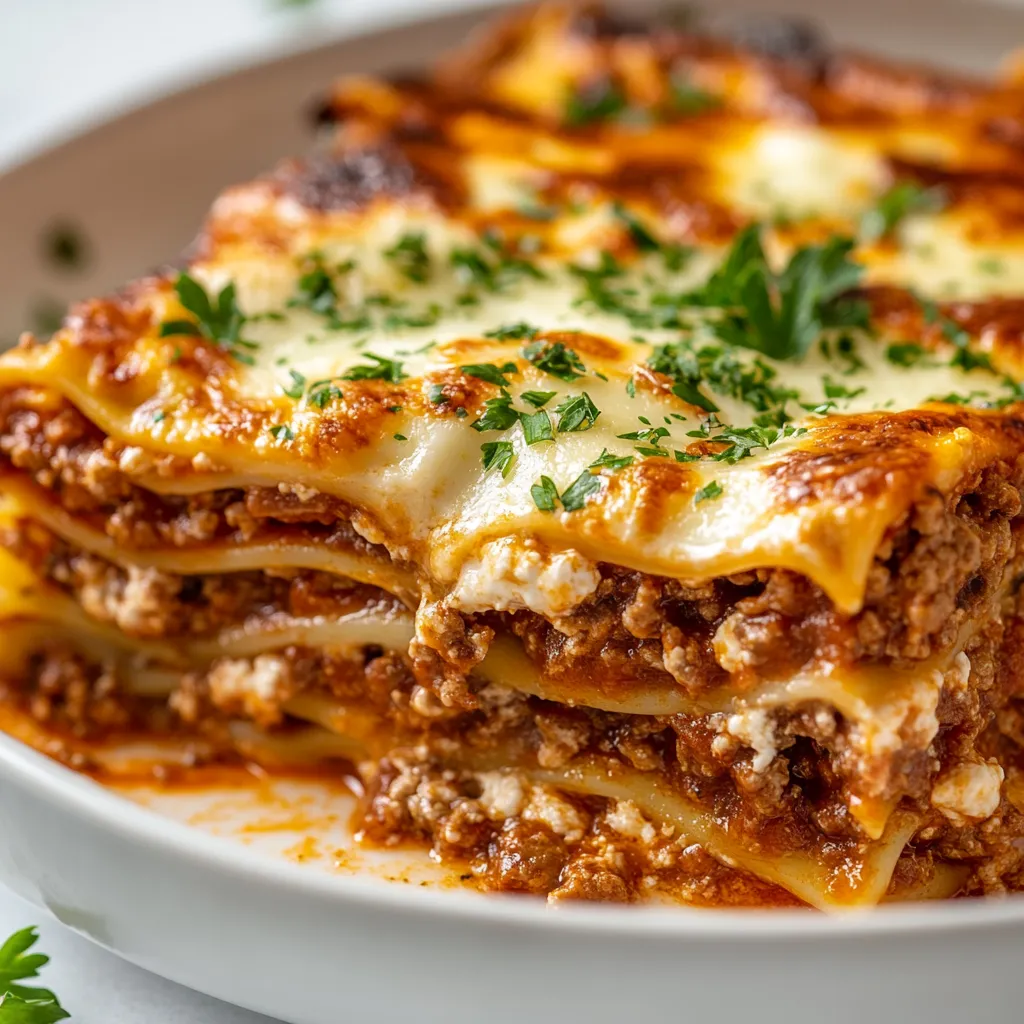
Delve into the world of comforting, cheesy goodness with a classic meat lasagna recipe. This delightful dish combines layers of savory meat, rich marinara, creamy ricotta, and gooey mozzarella. It is a symphony of flavors that comes together to create one of the most nostalgic comfort foods around. Perfect for family gatherings or a cozy dinner night, lasagna is a beloved staple of Italian cuisine that never fails to please.
When you think of a hearty meal that’s perfect during chilly weather or a gathering with friends, meat lasagna tops the list. Each bite is filled with tender noodles, savory meat sauce, and creamy cheese that melts in your mouth. It’s a dish that not only fills your stomach but also warms your heart, making it ideal for various occasions such as holidays, anniversaries, or simply a night in with loved ones.
Recipe Overview
This recipe provides an in-depth look at creating a mouth-watering meat lasagna from scratch. With a simple preparation process that accommodates both beginner and experienced cooks, this dish features perfectly cooked noodles complemented by a hearty meat sauce, layered with rich cheeses.
– Total Time: 1 hour
– Prep Time: 20 minutes
– Servings: 8
– Difficulty: Not specified in the recipe
Ingredients
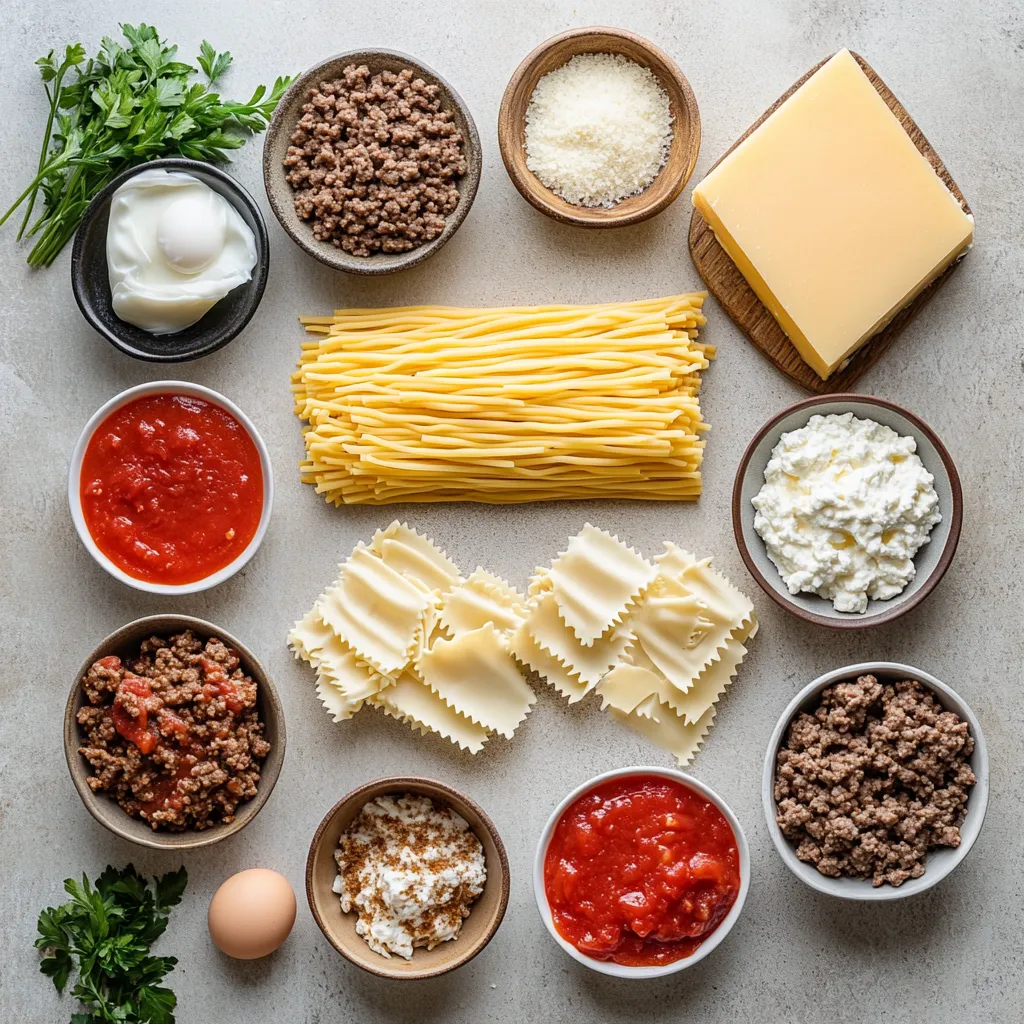
– 12 lasagna noodles
– 1 pound ground beef
– 1 pound Italian sausage (casings removed)
– 2 cups marinara sauce
– 1 can (15 oz) ricotta cheese
– 2 cups shredded mozzarella cheese
– 1 cup grated Parmesan cheese
– 1 large egg
– 2 tablespoons fresh parsley (chopped)
– 1 teaspoon garlic powder
– 1 teaspoon dried oregano
– Salt and pepper to taste
Instructions
1. Preheat the Oven: Begin by preheating your oven to 375°F (190°C) to ensure it’s hot and ready for baking.
2. Cook the Noodles: In a large pot, bring salted water to a boil. Add the lasagna noodles and cook them according to the package instructions until they are al dente. Once cooked, drain the noodles and lay them flat on a clean kitchen towel to cool.
3. Prepare the Meat Sauce: Heat a large skillet over medium heat and add the ground beef along with the Italian sausage. Cook the meat until it is browned and crumbly, using a spatula to break it apart. Drain any excess fat. Pour in the marinara sauce and let it simmer for about 5 minutes. Season the mixture with salt, pepper, garlic powder, and dried oregano to enhance the flavors.
4. Mix the Ricotta Filling: In a medium-sized bowl, combine the ricotta cheese, egg, chopped parsley, and a pinch of salt and pepper. Stir the mixture until all ingredients are well blended and creamy.
5. Assemble the Lasagna: In a 9×13 inch baking dish, start by spreading a thin layer of the meat sauce on the bottom. Place 3 lasagna noodles on top of the sauce. Evenly spread half of the ricotta mixture over the noodles, followed by a third of the shredded mozzarella and a sprinkle of grated Parmesan cheese. Repeat this layering process: add more meat sauce, another layer of noodles, the remaining ricotta mixture, and more cheese. Finish with a final layer of noodles topped with the remaining meat sauce, then sprinkle the rest of the mozzarella and Parmesan cheese on top.
6. Bake: Cover the baking dish with aluminum foil to prevent excessive browning. Bake in the preheated oven for 25 minutes. After that, remove the foil and continue baking for an additional 15 minutes, or until the cheese is bubbly and golden brown.
7. Cool and Serve: Once baked, allow the lasagna to cool for about 10 minutes before slicing. For a lovely presentation, garnish with extra chopped parsley before serving hot.
Understanding Lasagna
The Origins of Lasagna
Lasagna’s origins can be traced back to ancient times, where similar layered dishes were crafted in various forms. The modern version as we know it today is a product of traditional Italian cuisine, evolving through centuries to become one of Italy’s iconic meals. As pasta-making techniques improved, layers of noodles began to be combined with meats, cheeses, and aromatic herbs, characterizing the lasagna of today. Historical records suggest that lasagna was particularly popular among the Romans, showing how its rich taste and hearty nature have made it a lasting favorite.
The dish not only reflects Italian culinary traditions but has also adapted across cultures, resulting in unique regional variations. As families began to embrace lasagna at dinner tables, tales about its preparation and consumption became woven into stories of family gatherings and festive occasions.
Varieties of Lasagna
Lasagna is versatile and has many variations that reflect local ingredients and preferences. Traditional meat lasagna remains a classic favorite, but chefs worldwide have put their spin on this hearty dish. Vegetarian lasagna is particularly popular, replacing meats with layers of fresh vegetables such as zucchini, mushrooms, and spinach, paired with a fresh white sauce or marinara.
Seafood lasagna is another exquisite variation often found in coastal regions. It typically combines layers of pasta with seafood like shrimp, scallops, and fish, along with creamy sauces, showcasing the bounty of the ocean. Regardless of the variety, each iteration of lasagna tells a story and connects people through flavors, proving that this beloved dish has a seat at the table across cultures and cuisines.
The Role of Ingredients
Noodle Selection
When it comes to choosing lasagna noodles, the type significantly affects the dish’s outcome. Traditional lasagna noodles need to be boiled before assembly, but many cooks now opt for oven-ready varieties that can be layered directly without prior cooking. Each type has its advantages, with oven-ready noodles offering convenience, while regular noodles provide a firmer texture in the final dish.
It’s essential to ensure that the noodles are layered correctly to avoid clumping or sticking together; the use of a slight drizzle of olive oil can help manage this. Regardless of the choice, using high-quality noodles contributes to a deliciously satisfying result, forming a crucial structural component of this cheesy composition.
Importance of Meats
The combination of ground beef and Italian sausage in this lasagna recipe adds depth and flavor to the dish. Ground beef provides a savory base, while the Italian sausage introduces a nuanced spiciness that elevates the flavor profile. Variations can include using ground turkey or chicken for a lighter option or incorporating different spices for a unique taste. The choice of meat not only supports flavor but also contributes to the heartiness of the lasagna, ensuring each forkful is satisfying.
In addition to flavor, the balance of meats is essential for a successful lasagna. Browning the meat properly before adding the marinara sauce is crucial; this step helps create a flavorful foundation. This dish’s versatility allows for creativity with the choice of meats, making it adaptable for various dietary preferences and palates.
Crafting the Meat Sauce
Creating a deep-flavored meat sauce starts with the right technique. Begin by browning the ground beef and Italian sausage over medium heat. This step is critical; you want to allow the meat to develop a golden crust, which adds a layer of complexity to the flavor. After draining the excess fat, incorporating marinara sauce and letting the mixture simmer for an extended time is essential. This simmering process can last anywhere from 10 to 20 minutes. With longer simmering, the flavors have more time to meld together, creating a rich and savory sauce. Season the sauce adequately with garlic powder, dried oregano, salt, and pepper, and don’t hesitate to taste and adjust to your liking.
Crafting the Ricotta Filling
Mixing the Ingredients
To create a creamy ricotta filling, start by measuring out the ricotta cheese into a medium-sized bowl. The egg plays a crucial role in achieving the desired texture, offering stability and moisture to the filling. Beat the egg lightly before adding it to the ricotta; this ensures even distribution throughout the mixture. Combine until the egg is thoroughly integrated, yielding a creamy texture that will hold its shape while providing a delightful contrast to the meat sauce.
Seasoning the Mixture
The flavors in the ricotta filling are just as important as those in the meat sauce. Fresh herbs like parsley add brightness and liveliness to the filling. Parsley not only enhances the flavor but also provides a pop of color. Don’t forget to season with a pinch of salt and black pepper to amplify the overall taste. This balance of flavors is key to providing a lasagna that is not only satisfying but memorable.
Layering the Lasagna
First Layer: Meat Sauce
Starting with the meat sauce is essential for several reasons. First, it creates a moisture barrier for the noodles, preventing them from sticking. Start by spreading a thin layer of the meat sauce evenly across the bottom of the baking dish. This ensures that each noodle will be infused with flavor right from the start.
Building Cheese Layers
As the heart of your lasagna, cheese should be carefully layered to ensure a balanced flavor in each bite. After placing the first three noodles, it’s important to spread half of your ricotta filling evenly over them. Follow this with a generous layer of shredded mozzarella and a sprinkle of grated Parmesan. Ensure that the cheese layers are not too thick, as this could overpower the other flavors. The balance between ricotta, mozzarella, and meat sauce creates a delightful interplay of textures.
Final Assembly Tips
For a successful assembly, consider blotting the noodles with a paper towel before layering them to absorb excess moisture. This will help prevent any overflow during baking. Additionally, ensure that you evenly distribute the filling and cheese across each layer, avoiding any mounds that can lead to uneven melting.
Baking Your Lasagna
Covering Techniques
Covering the lasagna with aluminum foil during the initial baking phase is crucial as it traps moisture, preventing the top from browning too quickly. Conversely, removing the foil for the last portion of baking allows the cheese to melt and become bubbly and golden brown. For achieving that irresistible bubbly top, consider broiling it for the last couple of minutes for that extra crispy finish.
Baking Times and Temperatures
Following the recipe, the initial covered baking time is 25 minutes, followed by an additional 15 minutes uncovered. Keep an eye on the lasagna during the uncovered phase to prevent burning. Look for the cheese to be bubbly and slightly golden at the edges, indicative that your lasagna is perfectly cooked through.
Cooling and Serving Suggestions
Importance of Cooling Time
Allowing the lasagna to cool for approximately 10 minutes before slicing is key to achieving clean cuts. If you cut into it immediately, the layers may shift, resulting in a less visually appealing presentation, making it difficult to serve. Letting it rest allows the cheese and filling to set a bit more, resulting in the ideal slice when served.
Garnishing Ideas
When it comes to garnishing, a simple sprinkle of freshly chopped parsley can elevate the visual appeal of the dish significantly. For added richness, a drizzle of high-quality olive oil or a touch of balsamic reduction can take your presentation to the next level.
Pairing Suggestions
Side Dishes to Complement Lasagna
Lasagna pairs comfortably with a variety of complementary side dishes. A fresh arugula salad with lemon vinaigrette can cut through the richness of the dish, offering balance. Garlic bread is also a classic choice, perfect for soaking up any leftover sauce from the plate. Roasted seasonal vegetables, like zucchini or asparagus, can introduce extra layers of flavor and texture.
Beverage Pairing Options
For the beverage selection, consider a medium-bodied red wine, such as Chianti or a velvety Merlot, as these complement the rich flavors of the meat and cheese. Alternatively, a zesty Italian Pinot Grigio can provide a refreshing contrast if you prefer white wine.
Storage and Reheating Tips
Storing Leftovers
To keep your lasagna fresh, store leftovers in an airtight container in the fridge for up to 3-4 days. Alternatively, you can foil wrap individual slices for portion control. For long-term storage, lasagna freezes well. Wrap tightly in plastic wrap followed by aluminum foil, and it can last in the freezer for up to 3 months.
Reheating Instructions
For reheating, the oven is the best option to preserve the texture. Preheat your oven to 350°F (175°C), cover the dish with foil, and heat until warmed through, around 20-30 minutes. For a crispy top, remove the foil for the last 10 minutes or so. If microwaving, do so in short bursts at medium power to maintain moisture, ensuring the lasagna is evenly warmed throughout.
Conclusion
This delightful meat lasagna is a comforting, cheesy indulgence that brings joy to any meal. With its layers of rich meat sauce, creamy ricotta, and melted mozzarella, it offers a satisfying balance of flavors and textures. After about an hour of preparation and baking, you are left with a dish that is truly a comfort classic.
Delightful Meat Lasagna – A Cheesy Comfort Classic
Ingredients
- 12 pieces lasagna noodles
- 1 pound ground beef
- 1 pound Italian sausage
- 2 cups marinara sauce
- 15 oz ricotta cheese
- 2 cups shredded mozzarella cheese
- 1 cup grated Parmesan cheese
- 1 large egg
- 2 tablespoons fresh parsley
- 1 teaspoon garlic powder
- 1 teaspoon dried oregano
- Salt and pepper to taste
Instructions
-
Preheat the oven to 375°F (190°C).
-
Cook the lasagna noodles in salted boiling water until al dente, then drain and cool.
-
In a skillet, cook ground beef and Italian sausage until browned, then drain fat.
-
Add marinara sauce to the meat and simmer for 5 minutes, seasoning with salt, pepper, garlic powder, and oregano.
-
Mix ricotta cheese, egg, parsley, and a pinch of salt and pepper in a bowl until creamy.
-
In a baking dish, layer meat sauce, noodles, ricotta mixture, mozzarella, and Parmesan, repeating layers.
-
Cover with foil and bake for 25 minutes, then remove foil and bake for another 15 minutes until cheese is bubbly.
-
Allow to cool for 10 minutes before slicing and serve garnished with parsley.