
Introduction
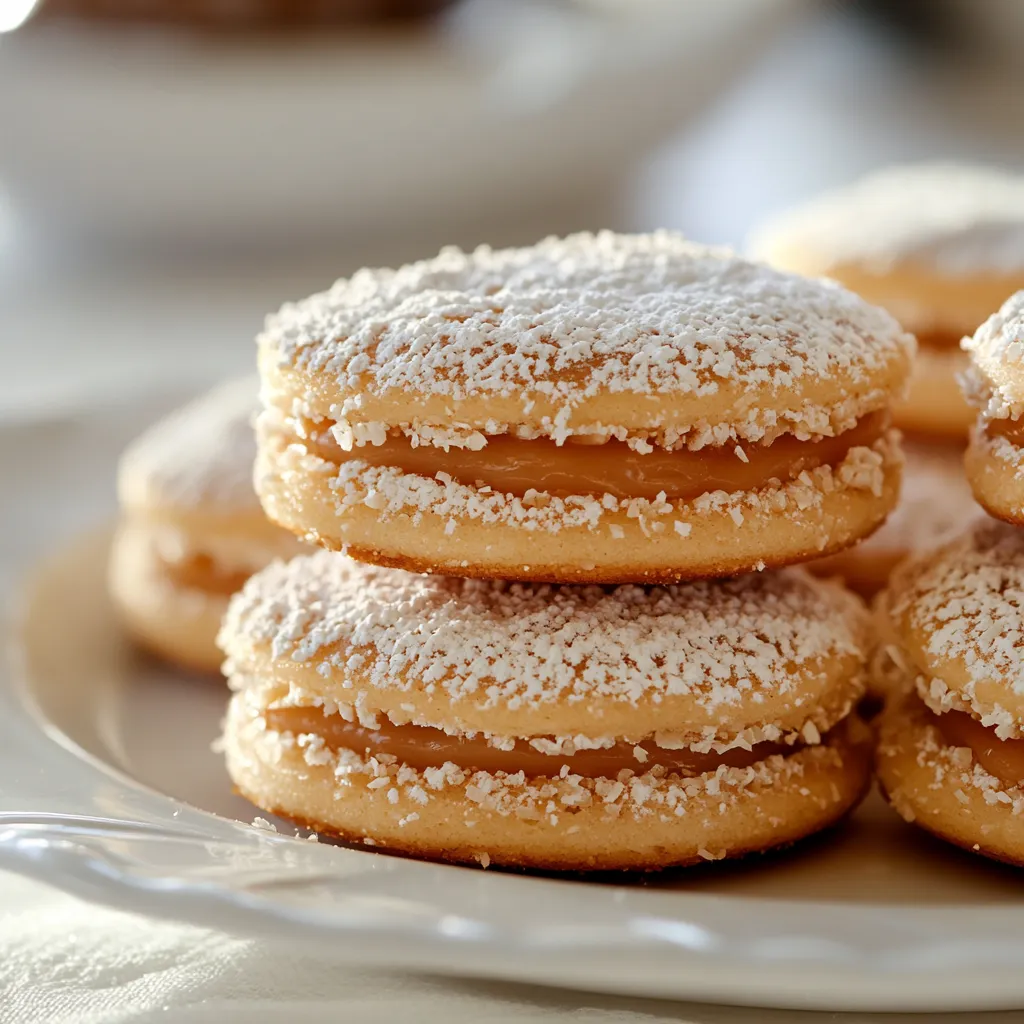
The delightful combination of creaminess and sweetness in dulce de leche sandwich cookies, also known as alfajores, is a testament to the rich culinary traditions of Latin America. These cookies, characterized by their tender texture and luscious dulce de leche filling, make for an irresistible treat that captures the hearts of anyone who tries them. Originating in various countries across the region, alfajores are often filled with caramel or chocolate, but the dulce de leche variant stands out for its rich, sweet, and creamy flavor.
In this article, we will take an in-depth look at how to create these delectable cookies right in your kitchen. They are perfect for celebrations, family gatherings, or even just as an indulgent snack with your afternoon coffee or tea. The process might seem intricate, but the result is absolutely worth the effort.
Recipe Overview
Dulce de leche sandwich cookies are not only delicious but also relatively easy to prepare. Below is a quick summary of the key aspects of this recipe:
– Total Time: 2 hours
– Yield/Servings: Approximately 12 cookies
– Difficulty: Not specified in the recipe
These cookies are a lovely combination of flavors and textures, making them a versatile choice for dessert, snacks, or special occasions. The balance of sweet and creamy harmonizes beautifully with a cup of coffee or tea, offering a delightful break anytime during the day.
Ingredients
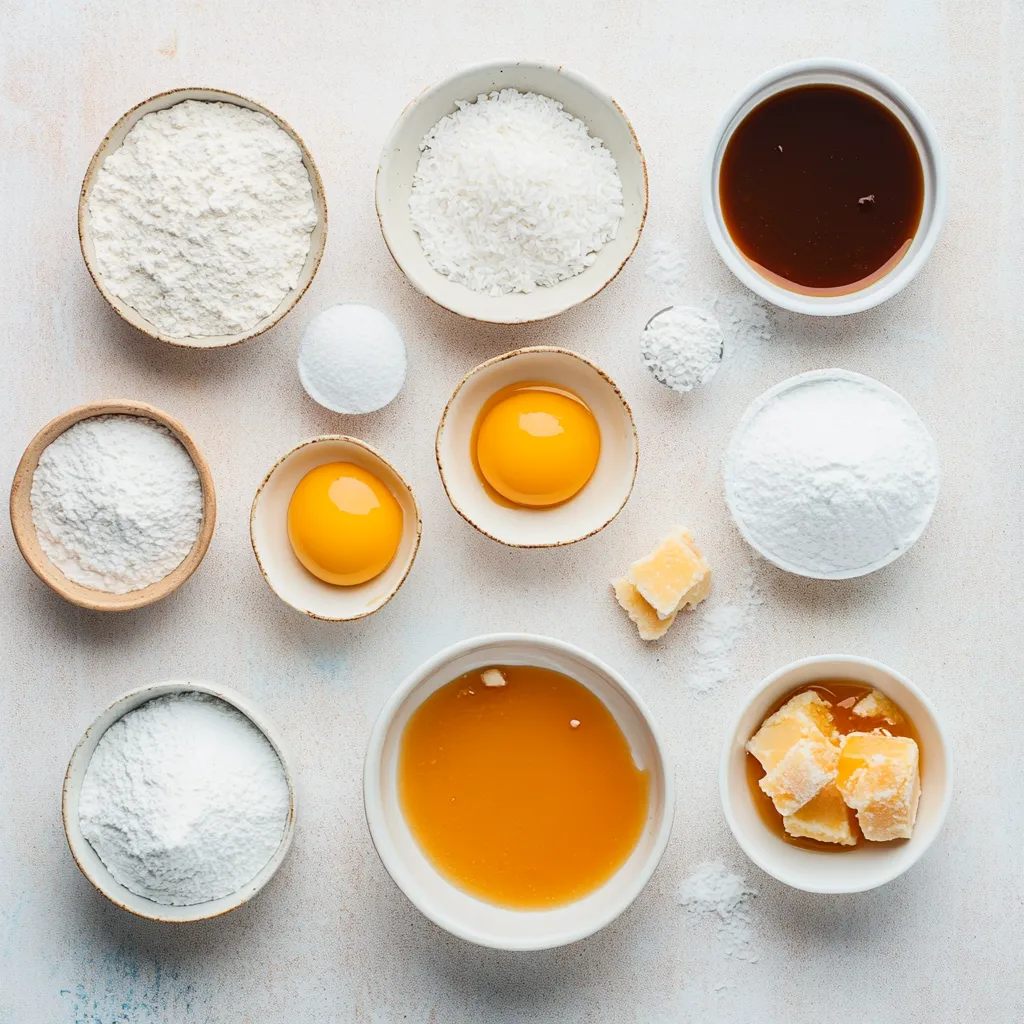
The ingredients required to create these luscious dulce de leche sandwich cookies are as follows:
– 1 cup unsalted butter, softened to room temperature
– 1 cup powdered sugar, plus additional for dusting
– 2 large egg yolks
– 1 teaspoon pure vanilla extract
– 2 cups all-purpose flour
– 1 cup cornstarch
– 1 teaspoon baking powder
– 1/4 teaspoon salt
– 1 cup dulce de leche (store-bought or homemade)
– Shredded coconut, for rolling (optional)
Overview of Key Ingredients
When it comes to baking these cookie sandwiches, each ingredient plays a significant role in achieving the ideal flavor and texture. The unsalted butter, being the primary fat, gives the cookies their rich mouthfeel and helps in creating that tender crumb. The powdered sugar not only sweetens the dough but also creates a delicate texture, making the cookies melt in your mouth.
Butter and Sugar
Using unsalted butter ensures that you can control the saltiness of your cookies, allowing the sweetness to shine through. Softening the butter to room temperature is essential so that it can easily cream with the sugar, incorporating air into the mixture and lending a light, fluffy quality to the dough.
Eggs and Vanilla
Two large egg yolks add richness and moisture to the dough, enhancing the overall flavor, while the pure vanilla extract infuses the cookies with a warm, aromatic essence that complements the dulce de leche filling beautifully.
Dry Ingredients: Flour, Cornstarch, and More
The combination of all-purpose flour and cornstarch is crucial in achieving the perfect texture. The flour provides structure, while the cornstarch softens the cookies, making them tender rather than chewy. Baking powder is included to ensure a slight lift, contributing to the lightness of the cookie. The pinch of salt is important, too, as it balances the sweetness and enhances the flavors of the other ingredients.
Filling and Coating Options
Dulce de leche is the star of this recipe, serving as a creamy, sweet filling that binds the two cookies together. It can be store-bought or homemade, depending on your preference. Additionally, rolling the edges of the cookies in shredded coconut adds a beautiful texture and flavor contrast, although it is entirely optional.
Instructions
To make dulce de leche sandwich cookies, follow these straightforward steps derived from the recipe:
1. Prepare the Dough: In a large mixing bowl, use an electric mixer to cream the softened butter and powdered sugar together until the mixture is light, fluffy, and pale in color. Add in the egg yolks and vanilla extract, mixing until everything is well blended and smooth.
2. Combine Dry Ingredients: In a separate bowl, whisk together the all-purpose flour, cornstarch, baking powder, and salt until evenly mixed. Gradually incorporate this dry mixture into the butter mixture, stirring until a soft, cohesive dough forms.
3. Chill the Dough: Divide the dough into two equal portions. Shape each portion into a disk, wrap it tightly in plastic wrap, and refrigerate for at least 1 hour or until the dough is firm and easy to handle.
4. Preheat the Oven: While the dough chills, preheat your oven to 350°F (175°C). Line two baking sheets with parchment paper to prevent sticking.
5. Roll and Cut Cookies: On a lightly floured surface, take one disk of dough and roll it out to a thickness of about 1/4 inch. Use a cookie cutter (approximately 2 inches in diameter) to cut out cookies. Arrange the cut cookies on the prepared baking sheets, ensuring there is enough space between them for spreading.
6. Bake: Place the baking sheets in the preheated oven and bake for 10-12 minutes, or until the edges of the cookies are just lightly golden. Once baked, allow the cookies to cool on the sheets for a few minutes before transferring them to a wire rack to cool completely.
7. Assemble the Cookies: After the cookies are completely cooled, take one cookie and spread a generous teaspoon of dulce de leche on its flat side. Top it with another cookie, gently pressing down to form a sandwich. Repeat this process with the remaining cookies.
8. Optional Coating: For an added touch of flavor and presentation, roll the edges of each sandwich cookie in shredded coconut and dust the tops lightly with powdered sugar.
9. Serve and Enjoy: These delightful alfajores can be enjoyed immediately or stored in an airtight container for up to a week. They pair wonderfully with a warm cup of coffee or tea!
Chilling the Dough
Chilling the dough is an essential step in crafting perfect dulce de leche sandwich cookies. This process allows the dough to firm up, making it easier to handle when rolling and cutting out the cookies. Moreover, chilling helps prevent the cookies from spreading too much while baking, which can result in a misshapen or overly thin cookie.
To chill the dough effectively, divide it into two equal portions and shape each portion into a disk. Wrapping it tightly in plastic wrap is critical to prevent any air from drying it out. Aim for at least 1 hour in the refrigerator, but if time permits, you can leave it longer or even overnight.
Preheating the Oven
Preheating the oven is a vital step that sets the stage for successful baking. The ideal oven temperature for dulce de leche sandwich cookies is 350°F (175°C). Preheating ensures that the cookies begin to bake immediately when placed in the oven, promoting even cooking and a desirable texture.
While the dough chills, take this opportunity to line your baking sheets with parchment paper. This provides a non-stick surface and makes cleanup easier. Additionally, adequate spacing between the cookies on the baking sheets is crucial. As cookies bake, they may spread slightly, and having enough space prevents them from merging into one another, allowing for clean lines and beautiful shapes.
Rolling and Cutting Cookies
Techniques for Rolling Dough
When preparing to roll out cookie dough, ensure that your work surface and rolling pin are lightly floured to prevent sticking. To achieve an even thickness, you can use rolling pin rings or spacers, which fit over the pin and allow you to roll the dough to a consistent thickness across the entire surface. Start from the center of the dough and roll outward, rotating the dough occasionally to maintain a circular shape and to prevent sticking. If at any point the dough becomes too soft to handle, return it to the refrigerator for a few minutes to firm up.
Choosing Cookie Cutters
For alfajores, a round cookie cutter about 2 inches in diameter is ideal. If you want to create a unique presentation, consider using cookie cutters of different shapes and sizes. Make sure the cutters have clean edges to result in sharp, professional-looking cookies. If the dough is particularly sticky, dipping the cutter in flour can aid in clean cuts without tearing the cookie.
Baking the Cookies
Baking Time and Temperature
The cookies should be baked at a preheated temperature of 350°F (175°C) for 10-12 minutes. Keeping a timer handy is essential to ensure they do not become overbaked. It’s advisable to rotate the baking sheets halfway through baking for even cooking, especially if your oven has hot spots. If you find that the cookies are browning too quickly on the edges, consider lowering the oven temperature slightly and extending the baking time to 12-14 minutes.
Signs of Doneness
Knowing when the cookies are done is key to achieving a perfect texture. They should be lightly golden at the edges but still pale in the center. If you press gently on the top of a cookie and it springs back, it indicates that they are baked correctly. If there are any raw dough impressions, they may require a minute or two longer.
Cooling the Cookies
Best Practices for Cooling
Allow the cookies to cool on the baking sheets for about 5 minutes before transferring them to a wire rack. This waiting period helps them to set and firm up slightly, reducing the risk of breaking when transferring. Use a spatula to carefully lift them to the rack. Allow the cookies to cool completely before assembling, as warm cookies can cause the filling to ooze out.
Importance of Cooling Time
Cooling cookies is a critical step, particularly for the delicate textured alfajores. If you skip this time, the cookies may not support the weight of the dulce de leche filling, and warm cookies can turn sticky and fall apart. Properly cooled cookies ensure that the flavors meld beautifully and that the cookies maintain their integrity when assembled.
Assembling the Cookies
Spreading the Dulce de Leche
For the best results, use a knife or a small spatula to spread an even layer of dulce de leche on the flat side of one cookie. Ensure that each layer is generous enough for a rich flavor experience but not so thick that it oozes out excessively when topped with the second cookie. Aim for about a teaspoon per cookie sandwich for a balanced taste.
Tips for Creating Perfect Sandwiches
When assembling the cookies, lightly press down to adhere the two halves together, but be cautious not to squish them too hard. For added stability, you can place the assembled cookies in the refrigerator for about 10-15 minutes to allow the dulce de leche to firm up slightly, making the cookies easier to handle when serving.
Optional Coating Techniques
Rolling in Shredded Coconut
If you choose to roll your alfajores in shredded coconut, it’s recommended to do this step immediately after the cookies are assembled while the dulce de leche is still soft. Gently roll the exposed edges of the cookies through the shredded coconut until well-coated. This not only adds flavor but also enhances texture and visual appeal.
Dusting with Powdered Sugar
Lightly dusting the tops of your assembled cookies with powdered sugar is a beautiful finishing touch. Use a fine sifter for an even distribution and to avoid clumps. This not only adds sweetness but also creates a stunning contrast against the golden cookies and the creamy filling, enhancing its visual presence on the table.
Presentation Tips
Arranging Cookies for Display
Presentation plays a vital role in enticing your guests. Arrange the cookies on a decorative platter or cake stand, which can elevate their appearance. Group them in neat rows or casual stacks, allowing space to breathe. This presentation will draw attention and makes for a decorative touch during gatherings.
Enhancing Visual Appeal with Garnishes
Consider garnishing the platter with fresh mint leaves or edible flowers for a pop of color. Adding a few whole dulce de leche jars or tantalizing fruit accents like sliced strawberries or fresh oranges can enhance the overall presentation and make the dessert feel more special.
Storing and Serving Suggestions
How to Store Cookies
To keep your alfajores fresh, store them in an airtight container at room temperature. If stored properly, they can last up to a week. Avoid refrigeration if possible, as this can alter the texture, causing the cookies to become soft or lose their crunch. If you anticipate they won’t be consumed within a week, freezing them may be a preferable option.
Ideal Pairings for Serving
Dulce de leche sandwich cookies pair wonderfully with coffee, strong teas, or warm milk. Their rich flavors complement a variety of beverages, making them a versatile treat for any occasion. Consider serving them alongside some fresh fruit for a refreshing contrast.
Conclusion
Dulce de Leche Sandwich Cookies offer a delightful mix of flavors with a soft, delicate texture that is sure to appeal to any palate. With a preparation time of about 30 minutes and a total time of 2 hours, these sweet treats can be enjoyed in no time. Perfect for sharing, these cookies can also be stored for up to a week, making them a great addition to your dessert repertoire.

Dulce de Leche Sandwich Cookies Recipe
Ingredients
- 1 cup unsalted butter softened
- 1 cup powdered sugar plus additional for dusting
- 2 large egg yolks
- 1 teaspoon pure vanilla extract
- 2 cups all-purpose flour
- 1 cup cornstarch
- 1 teaspoon baking powder
- ¼ teaspoon salt
- 1 cup dulce de leche
- shredded coconut for rolling (optional)
Instructions
-
Cream the softened butter and powdered sugar until light and fluffy.
-
Add egg yolks and vanilla extract, mixing until smooth.
-
Whisk together flour, cornstarch, baking powder, and salt in a separate bowl.
-
Gradually mix the dry ingredients into the butter mixture to form a dough.
-
Divide the dough, shape into disks, wrap in plastic, and refrigerate for 1 hour.
-
Preheat the oven to 350°F (175°C) and line baking sheets with parchment paper.
-
Roll out the dough to ¼ inch thick and cut out cookies with a cookie cutter.
-
Bake for 10-12 minutes until edges are lightly golden, then cool on a wire rack.
-
Spread dulce de leche on one cookie and sandwich with another.
-
Optionally roll edges in shredded coconut and dust with powdered sugar before serving.