
Introduction
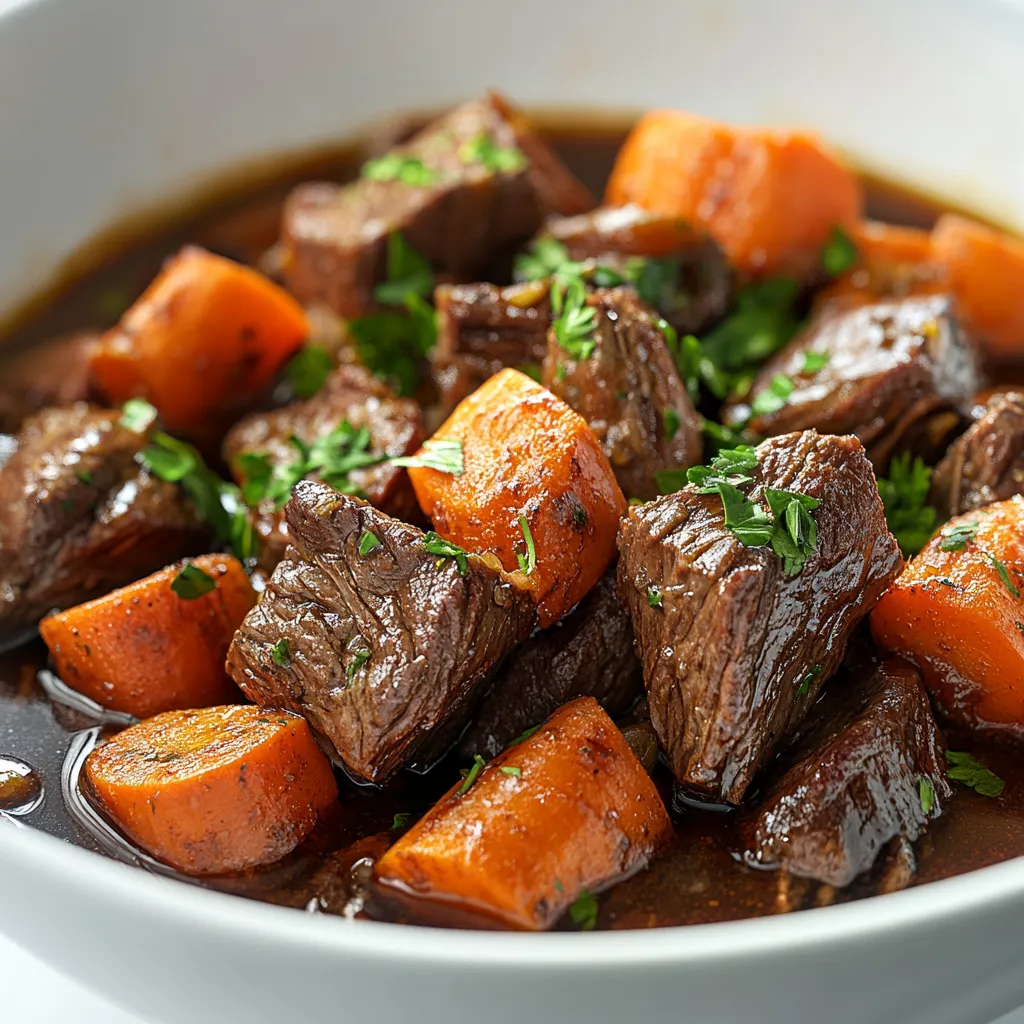
Understanding the rich culinary tradition behind Italian pot roast, or Stracotto, offers a glimpse into the heart of Italian home cooking. This comforting dish, beloved by many, is revered for its tender meat seamlessly blending with a flavorful sauce. Stracotto is more than mere sustenance; it’s a celebration of flavors and techniques that showcase the essence of slow cooking. The recipe calls for beef chuck roast, a cut known for its ability to become incredibly tender when slow-cooked, allowing for the meat to absorb the aromatic herbs and rich liquids it simmers in.
Traditionally served during family gatherings or special Sundays, this pot roast embodies warmth and communal spirit, making it an ideal choice for gatherings with loved ones. Whether you serve it alongside crusty bread or over a bed of creamy polenta, Italian pot roast is guaranteed to nourish both body and soul, offering hello in a dish and a taste of Italy’s culinary heritage.
Recipe Overview
– Total Time: 4 hours 30 minutes
– Yield/Servings: 6-8 servings
– Difficulty: Not specified in the recipe
Ingredients
Essential Meat Selection
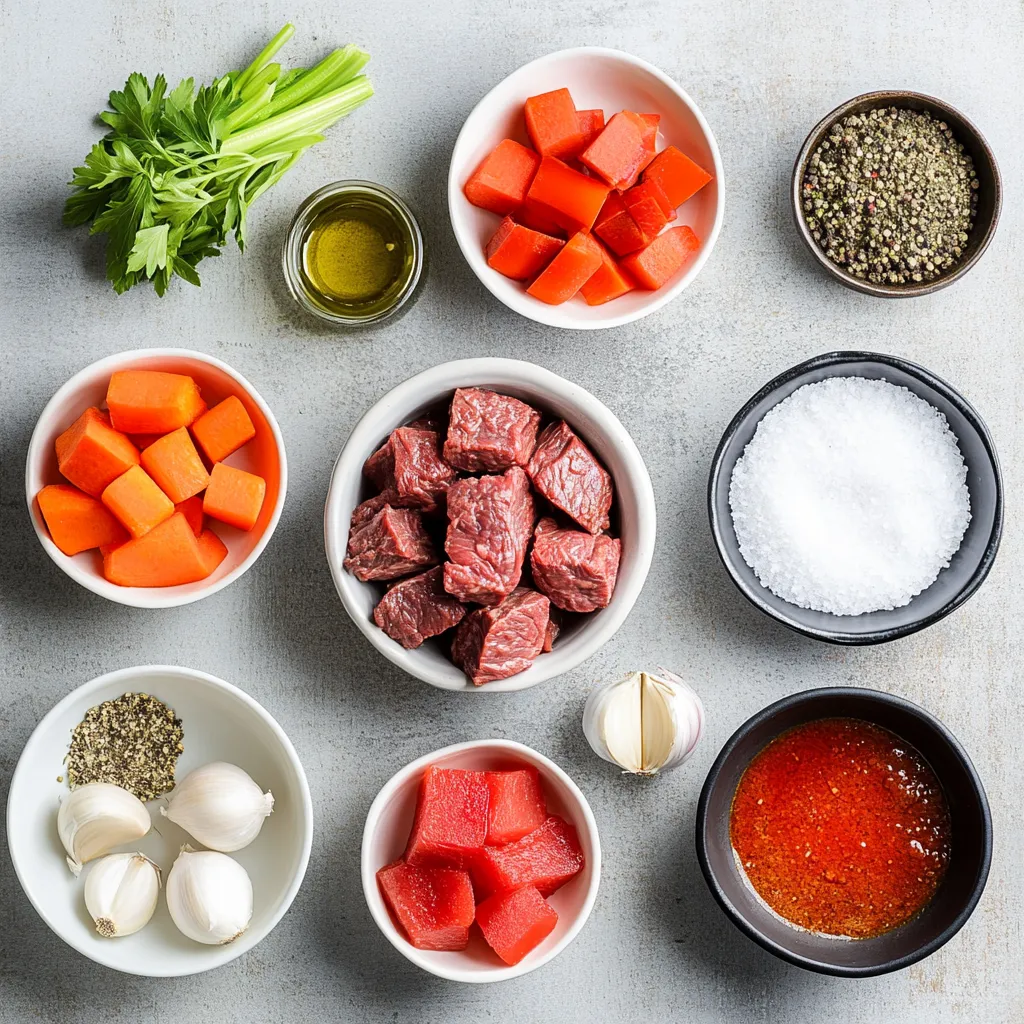
– 3 to 4 pounds beef chuck roast
Aromatic Oils and Vegetables
– 2 tablespoons olive oil
– 1 large onion, finely chopped
– 3 cloves garlic, minced
– 2 medium carrots, sliced into rounds
– 2 celery stalks, diced
Flavor Enhancers
– 1 cup red wine (preferably Chianti)
– 2 cups beef broth
– 1 can (14 oz) crushed tomatoes
– 2 tablespoons tomato paste
– 2 teaspoons dried oregano
– 2 teaspoons dried basil
– 1 bay leaf
Seasoning Components
– Salt and freshly ground black pepper to taste
– Fresh parsley, chopped (for garnish)
Instructions
1. Sear the Meat: In a large Dutch oven or heavy-bottomed pot, heat the olive oil over medium-high heat. Generously season the beef chuck roast with salt and pepper. Once the oil is shimmering, carefully add the roast and sear it on all sides until it develops a rich, brown crust, about 4-5 minutes per side. Once browned, remove the roast from the pot and set it aside on a plate.
2. Sauté Vegetables: In the same pot, add the chopped onion, sliced carrots, and diced celery. Sauté the vegetables over medium heat for about 5-7 minutes, or until they begin to soften and the onions become translucent. Add the minced garlic and continue to sauté for another minute until the garlic is fragrant.
3. Deglaze the Pot: Carefully pour in the red wine, using a wooden spoon to scrape the bottom of the pot to loosen any browned bits. Allow the wine to simmer for approximately 2-3 minutes, letting it reduce slightly.
4. Add Remaining Ingredients: Stir in the beef broth, crushed tomatoes, tomato paste, dried oregano, dried basil, and bay leaf. Season the mixture with additional salt and pepper to taste, ensuring everything is well combined.
5. Return the Roast: Gently place the seared beef roast back into the pot, ensuring it is as submerged in the liquid as possible. Bring the mixture to a gentle simmer.
6. Slow Cook: Cover the pot with a lid and reduce the heat to low. Allow the pot roast to cook for 3 to 4 hours, or until the meat becomes fork-tender and can be easily shredded apart.
7. Finish and Serve: Once the roast is cooked, carefully remove it from the pot and let it rest for a few minutes on a cutting board. If desired, strain the sauce to remove solids, then return it to the pot and simmer for a few more minutes to thicken. Slice or shred the beef as preferred, serve it generously with the sauce, and garnish with freshly chopped parsley.
8. Enjoy: Plate your delectable Italian pot roast alongside crusty bread or over a bed of creamy polenta for a comforting and hearty meal. Buon Appetito!
Preparation Steps
Searing the Meat
The first step in this delightful recipe involves searing the beef chuck roast. Searing is a crucial process that not only enhances the flavor of the meat but also creates a beautifully caramelized crust that adds depth to the overall dish. To achieve this, the meat must be generously seasoned with salt and freshly ground black pepper. It’s essential to let the olive oil reach a shimmering state over medium-high heat before adding the roast; this ensures the perfect sear. The roast should be cooked for about 4 to 5 minutes per side until it achieves a rich, brown crust. Once seared, setting it aside allows the resting juices to concentrate, preparing it for the next steps.
Sautéing the Vegetables
Next, sauté the vegetables, which are integral to developing the rich flavor profile of the pot roast. Begin by finely chopping the onion, slicing the carrots, and dicing the celery into small, uniform pieces. This not only enhances the cooking time but also ensures that the flavors meld well together. As you sauté the vegetables over medium heat, aim for about 5-7 minutes until they’re just beginning to soften, particularly the onions, which should become translucent. Adding minced garlic at the final minute of sautéing infuses the dish with its distinctive aroma, further enriching the base of the sauce.
Deglazing the Pot
Deglazing is a crucial technique that elevates the sauce’s flavor by releasing the fond – the browned bits left in the pot after searing the meat. After the vegetables have softened and started to caramelize, pour in the red wine, preferably Chianti, to both add flavor and help lift these bits off the bottom. This process typically takes about 2-3 minutes; the wine should simmer and reduce slightly as it absorbs these rich flavors, resulting in a deeper, more complex sauce.
Incorporating Remaining Ingredients
Following the deglazing step, it’s time to bring everything together. Carefully stir in the beef broth, crushed tomatoes, tomato paste, and the aromatic herbs of oregano and basil. The addition of a bay leaf not only adds its unique flavor but also pairs beautifully with the slow-cooked meat. Always taste the mixture and adjust seasoning with salt and pepper as necessary to ensure a balanced flavor profile before reintegrating the roast into the pot.
Cooking Techniques
Slow Cooking Explained
At the heart of this Italian pot roast recipe is the technique of slow cooking. This method allows the tough fibers of the chuck roast to break down, resulting in fork-tender meat that holds an abundance of flavor. Slow cooking at a low temperature also allows the herbs and vegetables to infuse their essence into the meat, resulting in a harmonious blend of tastes. While you can use either an oven or stovetop for this technique, the traditional stovetop method often yields excellent results as it allows for easy monitoring and adjustment of heat levels.
Time Management for Optimal Flavor
An essential aspect of achieving the best flavor in this Italian pot roast lies in proper time management. The initial halting of the vegetables, searing the meat, and the long simmering time together contribute layers of flavor that cannot be rushed. Additionally, this is a fantastic opportunity to prepare accompanying sides as the roast cooks. Whether opting for a simple salad, a side of polenta, or roasted vegetables, proper timing can enhance your meal preparation while ensuring you benefit from the tender and flavorful pot roast.
Serving Suggestions
Plating the Dish
To create an attractive presentation for your Italian Pot Roast, consider the overall plate design. Start by laying a generous portion of the seared and shredded pot roast on one side of a rustic, shallow bowl. Pour the rich sauce over the meat, allowing the sauce to cascade down the sides of the beef for visual appeal. You can also arrange a side of creamy polenta or a mound of sautéed seasonal vegetables, such as green beans or roasted Brussels sprouts, to add color and variety. Additionally, presenting the pot roast alongside slices of crusty bread not only enhances the aesthetic but also invites diners to soak up the delicious sauce.
Garnishing Techniques
Using fresh parsley as a garnish for your pot roast can significantly elevate its presentation and flavor. Finely chop the parsley to add a bright green color that contrasts beautifully with the deep richness of the sauce. Scatter the parsley over the top of the plated pot roast right before serving for a fresh finish. For additional seasoning, consider a light sprinkle of flaky sea salt or fresh cracked pepper to enhance the flavors just prior to serving. A dash of freshly grated Parmesan cheese can also provide an unexpected twist, complementing the Italian theme.
Wine Pairing
Choosing the Right Wine
Selecting the right wine to serve with your Italian Pot Roast can enhance the meal’s overall experience. Chianti, which is mentioned as a preferred wine in the recipe, brings out the savory flavors of the dish due to its high acidity and balanced tannins. Other excellent choices include a full-bodied Cabernet Sauvignon or a robust Merlot, both of which can stand up to the rich flavors without overwhelming the palate. Additionally, consider an Italian Barbera or a Sangiovese for a regional touch that pairs wonderfully with the robust seasoning of your pot roast.
Serving Suggestions for Wine
To fully appreciate the flavors in your wine, serve it at the ideal temperature. Red wines like Chianti and Cabernet Sauvignon are best enjoyed slightly below room temperature, around 60-65°F (15-18°C). Consider using standard red wine glasses that allow for proper aeration, enhancing the aromas and flavors as the wine opens up. If you are introducing a white wine option, such as a light Pinot Grigio, serve it chilled at about 45-50°F (7-10°C) to refresh the palate between bites.
Nutritional Information
Caloric Breakdown
The Italian Pot Roast offers a rich meal experience that comes with an approximate caloric content of 380-420 calories per serving, depending on the specific size of the portion and accompanying sides. This dish is satiating due to its protein-rich beef, the healthy fat content from olive oil, and the nutritional benefits derived from the cooked vegetables.
Ingredient Benefits
Using beef chuck as the primary ingredient provides significant health benefits, including high-quality protein, essential vitamins such as B12, and important minerals like iron and zinc. Including vegetables such as carrots and celery adds fiber and essential nutrients, while tomatoes contribute antioxidants like lycopene. Together, these components create a well-rounded meal that supports health and wellness.
Common Variations
Regional Twists on Stracotto
The preparation of Stracotto can vary by region in Italy, with different areas adding their unique spins on the traditional recipe. For instance, in certain regions, you may find the addition of spices such as cloves or nutmeg, lending a warmer flavor profile to the dish. Some families substitute the red wine with white wine or even beer, while others incorporate seasonal vegetables for added freshness. Each variation results in a distinctive take on the classic Italian pot roast.
Vegan and Vegetarian Alternatives
For those aiming for a plant-based version of pot roast, it’s important to maintain a rich flavor while replacing the beef. One approach is to use a combination of hearty vegetables such as mushrooms and eggplant, which can provide a meat-like texture when cooked over a long period. Legumes, such as lentils or chickpeas, can be added to contribute protein. Utilizing vegetable broth, crushed tomatoes, and a mix of herbs can help maintain an enticing sauce that mirrors the complexity of Stracotto.
Meal Prep and Storage
Storing Leftovers
To maximize the lifespan of your Italian Pot Roast leftovers, cool the dish promptly before refrigerating. It is best to transfer the pot roast into an airtight container and refrigerate within two hours of cooking. Leftover pot roast will typically last in the refrigerator for 3 to 4 days. For longer storage, consider freezing the pot roast in a freezer-safe container. Properly stored, it can maintain quality for up to three months in the freezer.
Reheating Techniques
When it comes to reheating your pot roast, there are several methods to ensure it retains its juicy texture. The oven method is ideal: preheat to 325°F (163°C), place the pot roast in an oven-safe dish, and cover with foil. Heat for about 25-30 minutes, or until warmed through. Alternatively, you can use a stovetop method by adding the pot roast and sauce to a skillet over low heat, stirring occasionally to avoid burning. This allows you to control the temperature and texture, ensuring it doesn’t dry out. Creative ways to repurpose leftovers could include making pot roast sandwiches or a savory pot pie.
Occasions for Serving
Celebratory Dinners
The hearty Italian Pot Roast is ideal for celebratory dinners such as family gatherings, holidays, or special occasions, where its richness and comforting nature can be appreciated. Create a themed dinner featuring Italian wines and sides like garlic bread or caprese salad that enhance the central dish, encouraging a beautiful culinary experience.
Casual Family Meals
For casual family meals, the pot roast serves as a satisfying options that all ages can enjoy. Consider engaging children in the cooking process by involving them in tasks like washing vegetables or stirring ingredients. This not only allows for family bonding but helps children learn about cooking, making them excited to enjoy what they’ve contributed to.
The Italian Pot Roast delivers a flavorful and heartwarming experience, showcasing a blend of tender meat and rich sauce that lingers on the palate. With a cooking time of approximately 4 hours, it allows for a leisurely preparation, making it perfect for relaxed dining experiences. Enjoying this dish garnished with fresh parsley truly enhances its inviting presentation.
Italian Pot Roast Stracotto Recipe for Comforting Meals
Ingredients
- 3-4 pounds beef chuck roast
- 2 tablespoons olive oil
- 1 large onion finely chopped
- 3 cloves garlic minced
- 2 medium carrots sliced into rounds
- 2 stalks celery diced
- 1 cup red wine
- 2 cups beef broth
- 14 oz crushed tomatoes
- 2 tablespoons tomato paste
- 2 teaspoons dried oregano
- 2 teaspoons dried basil
- 1 leaf bay leaf
- to taste salt
- to taste freshly ground black pepper
- for garnish fresh parsley chopped
Instructions
-
Sear the beef chuck roast in olive oil until browned on all sides.
-
Sauté the onion, carrots, and celery until softened, then add garlic.
-
Deglaze the pot with red wine, scraping up browned bits.
-
Add beef broth, crushed tomatoes, tomato paste, oregano, basil, and bay leaf.
-
Return the roast to the pot, ensuring it’s submerged in the liquid.
-
Cover and simmer on low for 3 to 4 hours until fork-tender.
-
Remove the roast and let it rest before slicing or shredding.
-
Strain the sauce if desired, then simmer to thicken before serving.