
Introduction
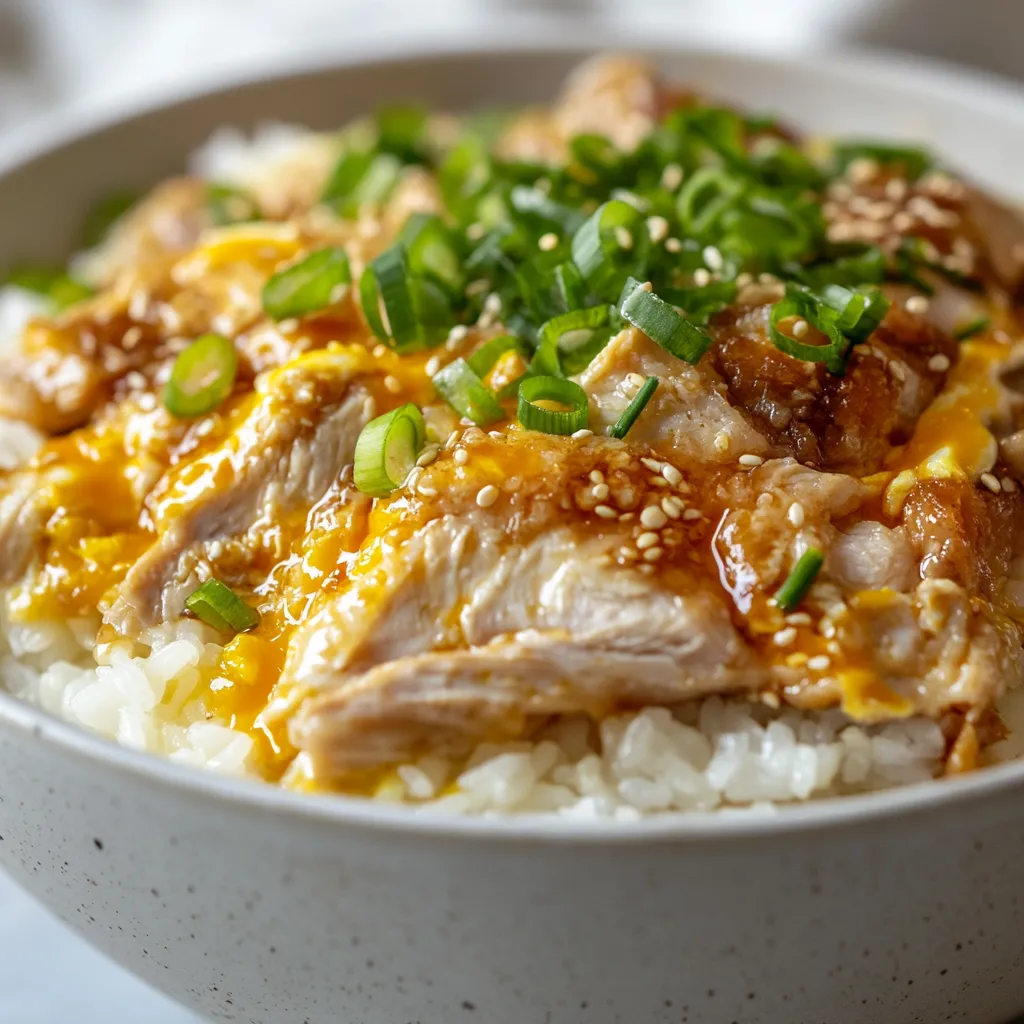
Oyakodon is a cherished Japanese dish known for its delicious combination of chicken, eggs, and rice, creating a warm and comforting meal that many people adore. This savory rice bowl offers a wonderful balance of textures and flavors, with tender chicken and creamy eggs enveloped in a rich sauce, all served over a bed of freshly cooked short-grain rice. This dish is not only beloved in Japan but has also gained a significant following internationally, celebrated both for its simplicity and its satisfying nature.
Traditionally, the word “oyako” translates to “parent and child” in Japanese, aptly highlighting the use of chicken and eggs in the meal. Oyakodon is a favorite family dinner, often prepared for its comforting elements and speed of preparation. It’s a lovely dish to introduce to family gatherings or casual dining, where everyone can enjoy a plateful of home-cooked goodness that embodies the essence of Japanese home cuisine.
Whether you’re looking for a quick weeknight meal or a delightful way to impress your guests with authentic Japanese flavors, Oyakodon fits the bill perfectly. With a cooking time of just 15 minutes, this dish is a fantastic option when time is of the essence but a comforting meal is desired.
Recipe Overview
– Total Time: 15 minutes
– Yield/Servings: 2 servings
– Difficulty: Not specified in the recipe
This Oyakodon recipe revolves around the deliciously savory interplay between chicken and eggs, generously served over warm rice. The preparation process involves sautéing chicken and onions to achieve a golden finish, followed by simmering them in a beautifully balanced sauce made from dashi stock, soy sauce, mirin, and sugar. Finally, the dish is topped with velvety scrambled eggs, resulting in a sumptuous meal that’s ready in no time.
Ingredients
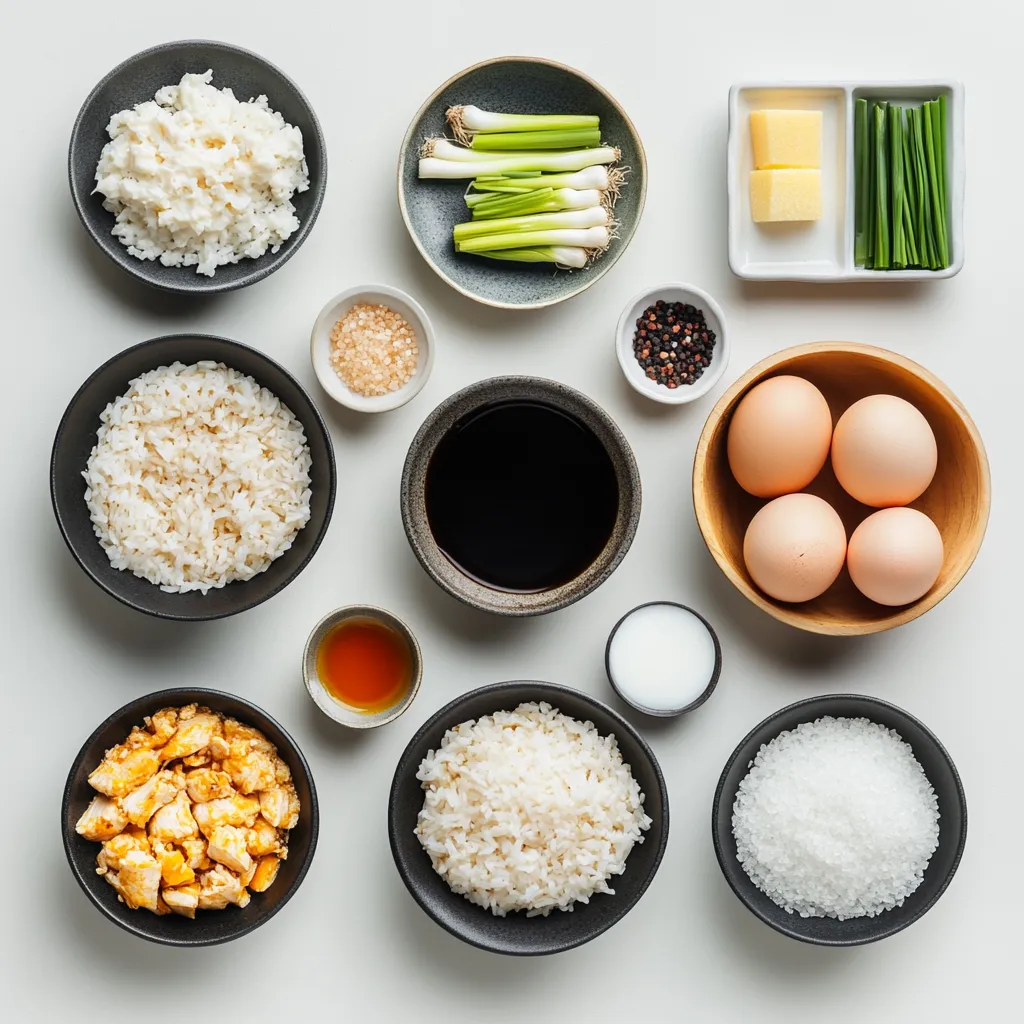
– 2 cups freshly cooked short-grain rice
– 2 large eggs
– 1 cup boneless, skinless chicken thighs, cut into bite-sized pieces
– 1 small onion, thinly sliced
– 1/2 cup dashi stock (or chicken broth)
– 2 tablespoons soy sauce
– 1 tablespoon mirin (sweet rice wine)
– 1 tablespoon sugar
– 1 green onion, finely sliced (for garnish)
– 1 tablespoon vegetable oil
– Salt and freshly ground black pepper to taste
Instructions
1. Prepare the Rice: If you haven’t done so, cook the short-grain rice according to your preferred method. Keep it warm by covering it with a lid or placing it in a rice cooker.
2. Sauté the Chicken and Onions: In a large skillet or frying pan, heat the vegetable oil over medium heat. Add the thinly sliced onions and sauté them for about 2 minutes until they begin to soften. Next, incorporate the chicken pieces, seasoning them with salt and pepper. Cook for approximately 3-4 minutes, stirring occasionally, until the chicken is golden brown and fully cooked.
3. Create the Sauce: Pour the dashi stock, soy sauce, mirin, and sugar into the skillet. Stir the mixture well to combine all the ingredients and let it simmer for about 2 minutes, allowing the flavors to meld beautifully.
4. Incorporate the Eggs: In a separate bowl, lightly whisk the eggs until they are just blended. Pour the beaten eggs over the chicken and onion mixture in the skillet. Cover with a lid and cook for about 2-3 minutes, or until the eggs are set but still slightly runny for a creamy texture.
5. Serve: Spoon the delightful chicken and egg mixture generously over the warm cooked rice in individual bowls. Sprinkle the finely sliced green onions on top for a fresh and vibrant garnish.
6. Enjoy: Serve your savory Oyakodon immediately while it’s hot, and savor every bite of this quick and comforting dish!
Preparation Time
Preparation time for Oyakodon is approximately 5 minutes, while total cooking time is around 10 minutes, leading to a complete duration of just 15 minutes. To maximize efficiency in the kitchen, it’s beneficial to have all your ingredients prepped before you start cooking. This means cutting the chicken into bite-sized pieces and slicing the onion ahead of time, which allows for a seamless cooking experience. Efficient organization ensures that the chicken and onions are sautéed quickly, the sauce is created in a brief simmer, and the eggs are incorporated smoothly.
By keeping the rice warm and at the ready, the entire meal can come together swiftly, offering a delightful dinning experience without the need for extensive preparation. This makes Oyakodon an ideal choice for busy weeknights or spontaneous gatherings.
Cooking the Rice
The cornerstone of any great Oyakodon is the rice, and using freshly cooked short-grain rice is vital for achieving the perfect texture. Short-grain rice tends to be stickier than long-grain varieties, allowing the grains to cling together beautifully, which enhances the overall mouthfeel of the dish.
There are a few methods for cooking your rice, including using a rice cooker, stovetop, or even an instant pot. If using a stovetop method, it is important to thoroughly rinse the rice to remove excess starch, which can lead to overly sticky or gummy results. A ratio of water to rice is also crucial; typically, a 1:1 ratio (depending on the specific rice type) will provide the best results.
Once cooked, keeping the rice warm is essential. You can cover it with a lid or store it in a rice cooker on the warm setting until you’re ready to serve. This ensures that the rice is at the ideal temperature when it’s time to spoon the savory chicken and egg mixture over the top, making each bite a delightful experience.
Additional Tips and Variations
While the core ingredients in Oyakodon create a fantastic and flavorful dish, there are opportunities for personalization. Though the recipe outlines the use of onions for enhanced flavor, you might consider the addition of other vegetables such as bell peppers or shiitake mushrooms, which can deepen the taste and add extra nutrition.
For those looking to amplify the flavor further, consider adding a pinch of red pepper flakes while sautéing the chicken or a dash of sesame oil to the garnishing process. These variations can elevate the dish without straying too far from tradition.
In terms of presentation, an optional sprinkle of sesame seeds over the finished dish can add a delightful crunch and visual appeal, enhancing the overall dining experience. Arrange your finished Oyakodon in deep, appealing bowls and thoughtfully garnish with sliced green onions for a fresh look.
By adhering closely to the ingredients and preparation techniques provided, you will be well on your way to mastering this iconic Japanese comfort food.
Sautéing the Chicken and Onions
To achieve the perfect sauté for your Oyakodon, begin by ensuring that your skillet is properly heated. A medium setting on your stovetop usually works best. When adding the vegetable oil, allow it to become shimmering but not smoking, which helps prevent sticking and ensures even cooking.
When you add the onions to the heated pan, it’s essential to sauté them for approximately 2 minutes until they become translucent. This softening of the onions releases their natural sweetness and creates a flavorful base for the chicken. Be attentive—overcooking the onions may lead to a bitter taste, detracting from the overall flavor of the dish.
Next, introduce the chicken to the skillet. Season with a pinch of salt and freshly ground black pepper. Seasoning during the sautéing phase not only enhances the chicken’s flavor but also aids in achieving a beautiful golden-brown coloration, which adds depth to your dish. Stirring occasionally ensures that all pieces cook uniformly, promoting a delightful texture in every bite.
Creating the Flavorful Sauce
Once the sautéed onions and chicken are ready, it’s time to create the sauce. Start by pouring the dashi stock (or chicken broth) into the skillet. Dashi—a traditional Japanese stock—adds an umami richness that is essential for the authentic taste of Oyakodon. If you cannot find dashi, a good-quality chicken broth serves as an excellent alternative.
Combine the broth with soy sauce, mirin, and sugar in the skillet. The soy sauce imparts saltiness, while mirin contributes a hint of sweetness. The sugar ties these flavors together, so don’t skip this step; it prevents the dish from being overly salty or sweet.
Allow this mixture to simmer for around 2 minutes. This step is crucial as it permits the flavors to meld together, resulting in a deep, savory sauce. The gentle simmer also helps to slightly thicken the sauce, ensuring it beautifully coats the chicken and eggs.
Incorporating the Eggs
In this recipe, the technique for whisking and pouring the eggs is paramount to achieving the desired creamy texture. Before combining, lightly beat the eggs in a bowl until just blended; over-whisking can lead to rubbery eggs, which is not the intention here.
Once your chicken and sauce are perfectly cooked, carefully pour the beaten eggs over the mixture in the skillet. It’s important to cover the skillet with a lid right after pouring the eggs. This traps steam and promotes even cooking, ensuring that the top layer of eggs sets while the underlying eggs remain creamy. Cook for about 2-3 minutes. The finished eggs should be firm to the touch yet have a slight jiggle, indicating creaminess.
Serving Suggestions
Presentation can enhance your dining experience. Serve your Oyakodon in deep bowls to allow for generous portions of chicken, eggs, and sauce over rice. To create a visually appealing dish, arrange the finely sliced green onions in a circular pattern on top of the Oyakodon. This adds not only a pop of color but also enhances the dish’s aromatic profile.
For an extra touch of flavor and texture, consider sprinkling toasted sesame seeds over the top. This optional garnish adds a nutty element that harmonizes well with the dish’s savory components.
Pairing Recommendations
To complement your Oyakodon, several side dishes work harmoniously. A simple side of pickled vegetables, such as takuan (pickled daikon radish), balances the rich flavors of the dish while providing a refreshing crunch. Additionally, a miso soup can serve as a warming counterpart, enhancing the overall Japanese dining experience.
Beverage pairings play a significant role as well. Light, chilled Japanese beers or a smooth sake can enhance the dining experience. If you prefer non-alcoholic options, a refreshing iced green tea is a lovely complement.
Nutritional Information
The Oyakodon is well-rounded in its nutritional profile. The chicken thighs provide a source of lean protein, beneficial for muscle maintenance and overall health. The eggs offer nutrients such as vitamin D and other essential amino acids, while the short-grain rice serves as a carbohydrate source, delivering energy.
With the incorporation of vegetables like onions and green onions, this dish includes essential vitamins and minerals. To ensure a balanced meal, consider portion control, as the richness of the sauce can lead to larger serving sizes.
Tips for Variations
Oyakodon is quite versatile. If you’re looking to customize it, consider substituting chicken with tofu or tempeh for a vegetarian version. For those desiring extra flavor, adding shiitake mushrooms or stirring in some baby spinach near the end of cooking can provide additional nutrition and change the texture profile.
To spice things up, feel free to include ginger or garlic in the sautéing phase. A splash of chili oil or a sprinkle of chili flakes can introduce a bit of heat for those who enjoy a kick in their food.
Tips for Storage and Reheating
For leftovers, proper storage is essential to maintain quality. Transfer any remaining Oyakodon to an airtight container and refrigerate it. This dish can typically be stored for up to 3 days.
When reheating, the stovetop is preferable to maintain the dish’s creamy texture. Heat over medium-low, adding a splash of broth or water if necessary, to prevent the eggs from becoming rubbery. Microwave is an option but be cautious; heat in short bursts to prevent overcooking.
Conclusion
Oyakodon offers a delightful combination of flavors and textures, with the perfect balance of savory chicken, creamy eggs, and warm rice. This quick and comforting dish is ideal for any meal, taking only 15 minutes to prepare and serving as a soothing experience that exemplifies the essence of Japanese home cooking. Its versatility allows for easy adaptations while remaining a crowd-pleaser.
Savory Oyakodon Bowl of Delight
Ingredients
- 2 cups freshly cooked short-grain rice
- 2 large eggs
- 1 cup boneless skinless chicken thighs, cut into bite-sized pieces
- 1 small onion thinly sliced
- ½ cup dashi stock or chicken broth
- 2 tablespoons soy sauce
- 1 tablespoon mirin sweet rice wine
- 1 tablespoon sugar
- 1 tablespoon vegetable oil
- 1 green onion finely sliced (for garnish)
- Salt and freshly ground black pepper to taste
Instructions
-
Cook the short-grain rice according to your preferred method and keep it warm.
-
Heat vegetable oil in a skillet over medium heat, add sliced onions, and sauté for 2 minutes.
-
Add chicken pieces, season with salt and pepper, and cook for 3-4 minutes until golden brown.
-
Pour in dashi stock, soy sauce, mirin, and sugar; stir and let simmer for 2 minutes.
-
Lightly whisk the eggs in a separate bowl and pour over the chicken and onion mixture.
-
Cover and cook for 2-3 minutes until the eggs are set but still slightly runny.
-
Spoon the chicken and egg mixture over the warm rice in bowls.
-
Garnish with finely sliced green onions and serve immediately.