
Introduction
The allure of freshly baked cookies is undeniable, and sugar cookies stand out as a classic favorite among cookie enthusiasts. These sweet treats are not only delicious but also incredibly versatile, making them perfect for various occasions. Whether you are celebrating a birthday party, a holiday gathering, or simply indulging in an afternoon snack, delightfully decadent sugar cookies can elevate any moment with their sweet charm.
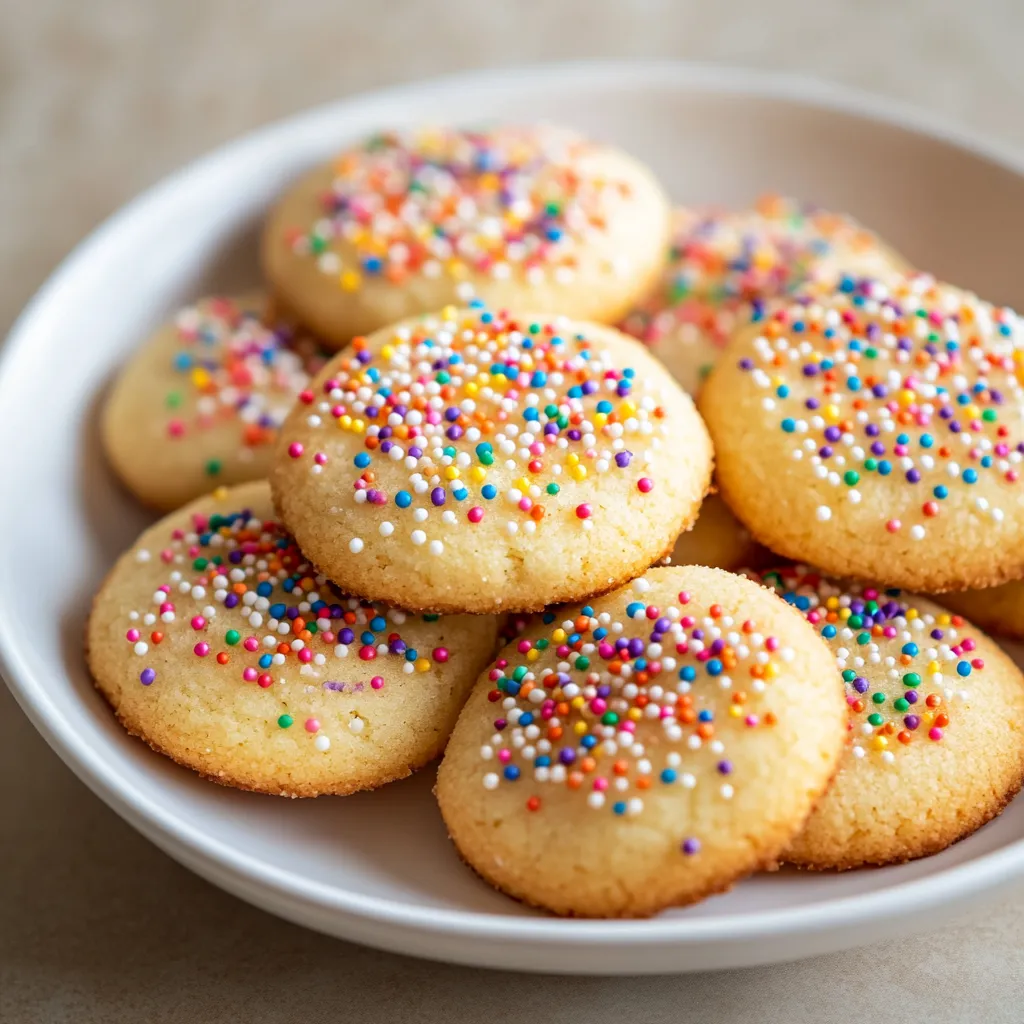
These sugar cookies boast a rich, buttery flavor with a soft and chewy texture, making each bite a delightful experience. Their beautiful appearance, especially when topped with colorful sugar or sprinkles, adds to their appeal, making them a feast for the eyes as much as for the palate. In this article, we’ll cover how to create these cookies that are sure to become a staple in your baking repertoire.
Recipe Overview
– Total Time: 30 minutes
– Prep Time: 15 minutes
– Yield/Servings: Approximately 24 cookies
– Difficulty: Not specified in the recipe
This sugar cookie recipe is simple enough for novice bakers yet rewarding enough for seasoned pros. The process involves preparing the dough, shaping the cookies, and baking them to perfection, ensuring each one delivers that delightful crispiness on the edges while remaining soft and chewy in the center.
Ingredients
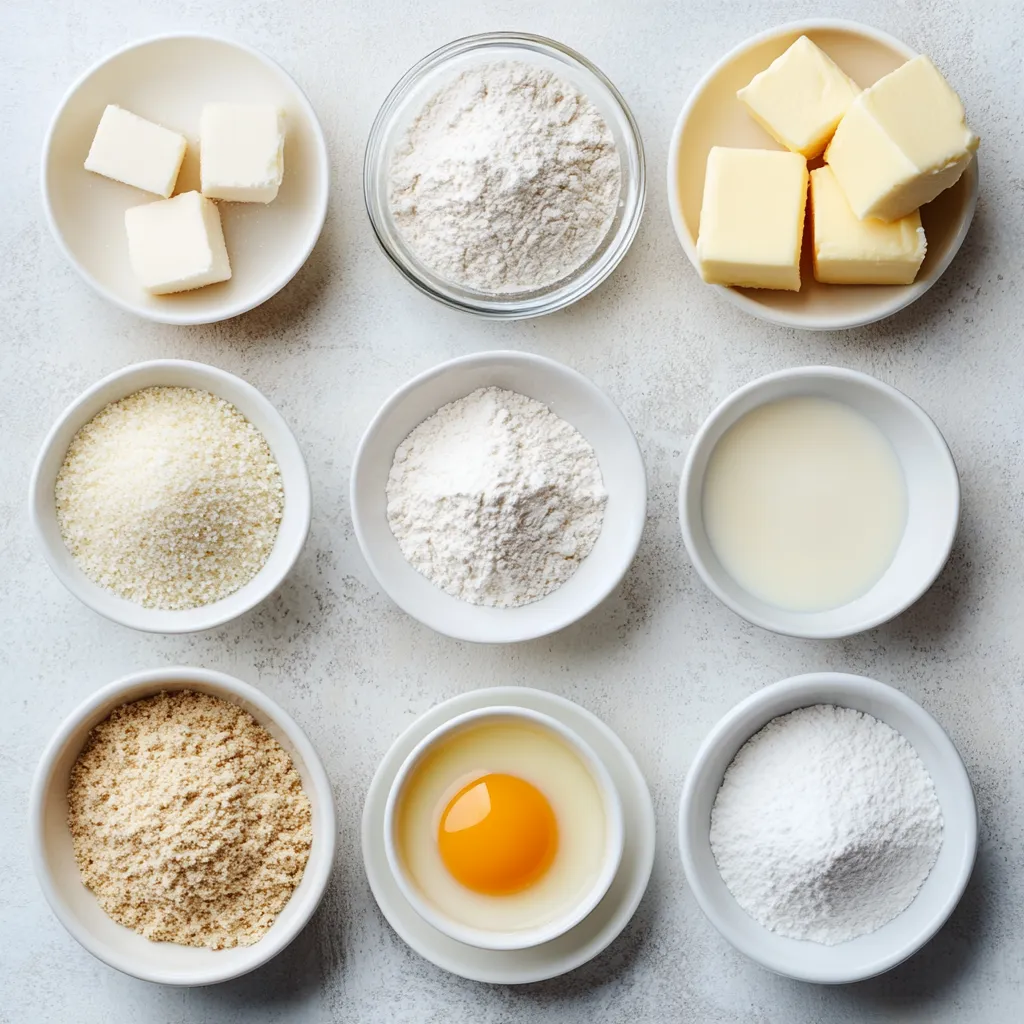
Each ingredient contributes uniquely to the texture and flavor of the cookies, ensuring the ideal balance of sweetness and texture. Here’s what you’ll need:
Essential Ingredients
– 2 ¾ cups all-purpose flour
– 1 teaspoon baking soda
– ½ teaspoon baking powder
– 1 cup unsalted butter, softened to room temperature
– 1 ½ cups granulated sugar
– 1 large egg
– ½ teaspoon salt
Flavor Enhancers
– 1 teaspoon pure vanilla extract
– ½ teaspoon almond extract (optional for an enriched flavor)
Liquid Ingredients
– 3 tablespoons milk
Finishing Touches
– ½ cup colored sugar or decorative sprinkles (for topping)
Instructions
To achieve the perfect sugar cookies, follow these expertly crafted steps carefully.
1. Begin by preheating your oven to 375°F (190°C). Prepare two baking sheets by lining them with parchment paper for easy cookie removal.
2. In a medium mixing bowl, combine the all-purpose flour, baking soda, baking powder, and salt. Whisk these dry ingredients together until well blended, then set the bowl aside.
3. In a large mixing bowl, cream the softened butter and granulated sugar together using a hand mixer or stand mixer. Beat the mixture on medium speed for about 2-3 minutes until it becomes light and fluffy.
4. Add in the egg, vanilla extract, and almond extract (if using) to the butter-sugar mixture. Continue mixing until all ingredients are thoroughly combined.
5. Gradually incorporate the dry mixture into the wet mixture, stirring gently until just combined. If the cookie dough feels too dense, add the milk one tablespoon at a time, mixing until a smooth consistency is achieved.
6. Using a tablespoon, scoop out portions of dough and roll them into smooth balls. Arrange the dough balls on the prepared baking sheets, leaving about 2 inches of space between each one.
7. Gently flatten each dough ball with the bottom of a glass or your palm. Sprinkle a generous amount of colored sugar or decorative sprinkles on top for a festive touch.
8. Place the baking sheets in the preheated oven and bake for 8-10 minutes. Watch for the edges to turn a light golden brown while the centers remain slightly soft—this ensures a chewy cookie texture!
9. Once baked, remove the cookies from the oven and let them cool on the baking sheets for a few minutes. Afterward, transfer them to a wire rack to cool completely.
Preparing the Baking Environment
Ensuring your kitchen is ready for cookie baking can make all the difference.
Preheating the Oven
This step is crucial for achieving optimal baking conditions. Preheat your oven to 375°F (190°C). This ensures that your cookies bake evenly, rising to the perfect texture as soon as you place them inside.
Preparing Baking Sheets
Use parchment paper to line your baking sheets, which will aid in easy cookie removal and prevent sticking. This simple addition to your baking process will save you time and frustration, allowing your cookies to slide off the sheet effortlessly once they have cooled.
Combining Dry Ingredients
Understanding the significance of this step will ensure the right texture in your cookies.
Measuring Flour
Accurate measurement of 2 ¾ cups of all-purpose flour is key to the cookie’s structure. Too much flour can lead to dry, crumbly cookies, while too little can result in overly soft ones. Use a spoon to aerate the flour in its container, then spoon it into your measuring cup, leveling it off for precise measurement.
Mixing Leavening Agents
Incorporating 1 teaspoon of baking soda and ½ teaspoon of baking powder allows the cookies to rise properly during baking. These leaveners work together to create the light and airy texture desired in sugar cookies. Be sure to mix them thoroughly with the flour to distribute evenly.
Adding Salt
Including ½ teaspoon of salt enhances the overall flavor, balancing the sweetness. Salt is an essential ingredient in many baked goods, as it brings out the sweetness and depth of flavor in all the other ingredients. Make sure to measure accurately to achieve the perfect balance.
Creaming Butter and Sugar
This is a fundamental technique in baking that impacts the cookie’s texture.
Softening the Butter
Make sure your 1 cup of unsalted butter is at room temperature for an ideal creaming process. This allows the butter to incorporate more air, resulting in a lighter cookie. If you forget to leave it out, you can microwave it for just a few seconds but ensure it does not melt.
Beating the Mixture
Use a hand mixer or stand mixer to combine the butter and 1 ½ cups of granulated sugar for about 2-3 minutes, until light and fluffy. This step is crucial as the air introduced during this process is what helps your cookies rise to the perfect chewy texture. Be patient—proper creaming can make or break your cookie’s outcome.
Incorporating Wet Ingredients
Incorporating wet ingredients into the dry mixture is an important step that requires attention to detail.
After creaming the butter and sugar, you’ll add in the large egg, 1 teaspoon of pure vanilla extract, and ½ teaspoon of almond extract if you choose to incorporate it. Mix these with the butter-sugar mixture until everything is thoroughly combined. This will create a rich flavor profile that adds depth to your sugar cookies.
In Part 2, we will delve into rolling the dough, baking techniques, and recommendations for enhancing your cookie presentation, ensuring you are fully-equipped to delight in this decadent treat.
centers. The preparation time is relatively quick, making them perfect for spontaneous baking sessions or special occasions.
Technique
Baking sugar cookies requires precision and understanding of each step to yield the best results. The technique involves mixing, focusing on the correct temperatures for both the oven and the ingredients, and ensuring even shaping of the dough is crucial for uniform baking.
Adding the Egg
Introducing 1 large egg into the creamed mixture is vital. The egg acts as a binder, helping to create a cohesive dough that holds together during baking. Be sure to crack the egg into a small bowl and check for any shell fragments before adding it to the batter.
Flavoring with Extracts
Incorporating flavorings like 1 teaspoon of pure vanilla extract and, if desired, ½ teaspoon of almond extract contributes depth and complexity to the cookies. The vanilla extract provides a warm, sweet aroma, while the almond extract adds a subtle nutty note that elevates the overall flavor profile.
Combining Dry and Wet Mixtures
This step is where the magic begins, as the cookie dough starts to form.
Gradual Incorporation
Carefully fold the dry mixture into the wet mixture gradually. Use a spatula to combine the ingredients gently, folding slowly to prevent overmixing, which can result in tough cookies. The goal is to incorporate the flour mixture until just combined without any visible flour streaks.
Adjusting Consistency
Should you find that the dough feels too dense, you can adjust the texture by adding the specified 3 tablespoons of milk one tablespoon at a time. This technique ensures a smoother finish, allowing the cookies to maintain their shape while baking without becoming too flat.
Shaping the Cookies
Proper shaping contributes not only to even baking but also to the overall aesthetic of the cookies.
Scooping the Dough
Utilize a tablespoon or cookie scoop to measure out portions of dough. Ensuring that each scoop is uniform in size will help the cookies bake evenly, avoiding unevenly cooked cookies—some might be overdone while others are underbaked.
Rolling into Balls
Once scooped, roll the portions of dough between your palms to form smooth balls. Smooth balls ensure that the cookies spread evenly during baking and results in a professionally finished appearance.
Flattening the Dough Balls
This step is critical for achieving the desired cookie shape and texture.
Technique for Flattening
Using the bottom of a glass or your palm, gently press down on each dough ball to flatten it. Aim for a consistent thickness, as this promotes even baking and a satisfying bite. Avoid pressing too hard, as this may cause the cookies to spread too thin and lose their shape.
Decorating with Sugar
Before placing the cookies in the oven, sprinkle colored sugar or decorative sprinkles on top of each flattened ball. This not only enhances the visual appeal but also adds a touch of sweetness and crunch to the finished cookie.
Baking the Cookies
The baking process is pivotal in determining the final texture of your sugar cookies.
Watching the Oven
Once the cookies are in the preheated oven, keep a watchful eye. They should bake at 375°F (190°C) for 8-10 minutes. Every oven is slightly different, so watch closely as the edges turn a light golden brown while ensuring the centers maintain a soft quality.
Checking for Doneness
To check for doneness, take a peek at the centers. You want them to be slightly soft when removed from the oven, as they will continue to firm up while cooling. The gentle golden edges and soft centers produce that classic chewy cookie texture.
Cooling Process
Proper cooling is necessary to ensure your cookies set correctly and maintain their ideal texture.
Initial Cooling
After baking, allow the cookies to rest on the baking sheets for a few minutes. This helps them firm up slightly, making them easier to transfer. Don’t skip this step; transferring cookies too soon can lead to breakage or crumbling.
Transferring to a Wire Rack
Once they are slightly cool, use a spatula to transfer the cookies to a wire rack. Leaving them on a wire rack allows for air circulation, preventing steam from collecting underneath and keeping them from becoming soggy.
Presentation Tips
Presenting your cookies attractively enhances the overall baking experience.
Creative Arrangement
For serving, consider utilizing a decorative plate. Arrange the cooled cookies artfully—overlapping them slightly or creating a fan shape can elevate their presentation. A sprig of mint or a light dusting of powdered sugar can add flair.
Gift Presentation
If you plan on gifting the cookies, stack them neatly in a clear glass jar. Tie with a ribbon for an added touch of charm. This not only makes for an appealing gift but also keeps the cookies fresh.
Storage and Reheating
Proper storage and reheating methods can prolong freshness and maintain texture.
Storage
Store sugar cookies in an airtight container at room temperature for up to one week. For longer storage, you may also freeze the cookies in a single layer, separated by parchment paper, and stack them once frozen for up to 3 months.
Reheating
When ready to enjoy any stored cookies, reheat them in a preheated oven at 300°F (150°C) for about 5-7 minutes. This restores their warm, fresh-from-the-oven texture.
Troubleshooting
There can be challenges in baking cookies; here are some common issues and solutions.
Cookies Spread Too Much
If the cookies spread excessively, check that butter was softened properly and not melted. Ensure that the dough was sufficiently chilled before baking, as warm dough can lead to excessive spreading.
Cookies Are Too Hard
Should your cookies turn out too hard, this could be due to overmixing the dough or baking them for too long. Always follow the recommended baking time and watch closely as they bake.
Cookies Are Not Flavorful Enough
If the cookies lack depth in flavor, consider ensuring that the extracts used are pure, as artificial extracts may not provide the same robust flavor.
FAQs
– Can I use a different type of flour?
Not specified in the recipe. However, using alternatives like whole wheat flour may change the texture and taste of the cookies.
– Can I skip the almond extract?
Yes, the almond extract is optional and can be omitted for a classic flavor.
– How do I ensure chewy cookies?
Monitor the baking time closely, ensuring the centers remain soft before allowing them to cool.
These delightfully decadent sugar cookies offer a wonderful balance of sweetness and texture, showcasing crisp edges with a delightfully chewy center. With a total preparation time of just 30 minutes, they can be easily baked for any occasion.

Delightfully Decadent Sugar Cookies Recipe: The Ultimate Treat
Ingredients
- 2 ¾ cups all-purpose flour
- 1 teaspoon baking soda
- ½ teaspoon baking powder
- 1 cup unsalted butter softened
- 1 ½ cups granulated sugar
- 1 large egg
- 1 teaspoon pure vanilla extract
- ½ teaspoon almond extract
- 3 tablespoons milk
- ½ teaspoon salt
- ½ cup colored sugar or decorative sprinkles
Instructions
-
Preheat your oven to 375°F (190°C) and line two baking sheets with parchment paper.
-
In a medium bowl, whisk together flour, baking soda, baking powder, and salt.
-
In a large bowl, cream the softened butter and granulated sugar until light and fluffy.
-
Add the egg, vanilla extract, and almond extract to the butter-sugar mixture and mix well.
-
Gradually mix the dry ingredients into the wet mixture, adding milk if the dough is too dense.
-
Scoop out portions of dough and roll them into balls, placing them on the baking sheets.
-
Flatten each dough ball slightly and sprinkle with colored sugar or sprinkles.
-
Bake for 8-10 minutes until edges are light golden brown and centers are soft.
-
Let the cookies cool on the baking sheets for a few minutes before transferring to a wire rack.