
Introduction
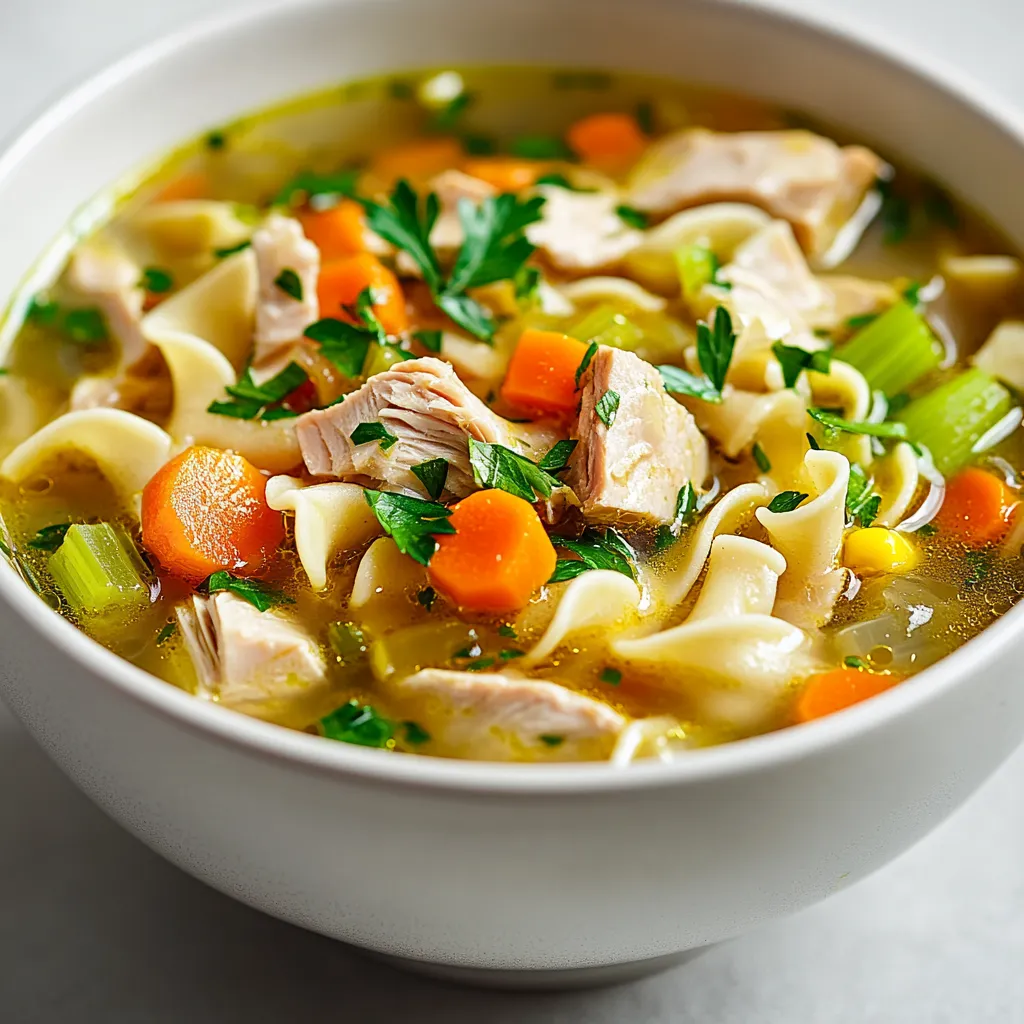
Turkey noodle soup is a comforting dish that perfectly encapsulates the spirit of Thanksgiving, providing a heartwarming way to utilize leftover turkey. This delightful recipe transforms simple ingredients into a cozy bowl of flavor, ideal for family gatherings or a casual meal during the colder months. The richness of the broth, combined with tender vegetables and perfectly cooked noodles, creates a satisfying experience that evokes memories of holiday feasts.
Typically served hot, turkey noodle soup is not only nourishing but also versatile. Whether served as a lunch, dinner, or even an appetizer for a festive gathering, this dish warms the soul and fills the belly. The ease of preparation means you can whip it up on a busy weekday or as a leisurely weekend treat, allowing you to spend more quality time with loved ones.
Recipe Overview
– Total Time: 35 minutes
– Prep Time: 15 minutes
– Cook Time: 20 minutes
– Yield/Servings: 6-8 servings
– Difficulty: Not specified in the recipe
Ingredients
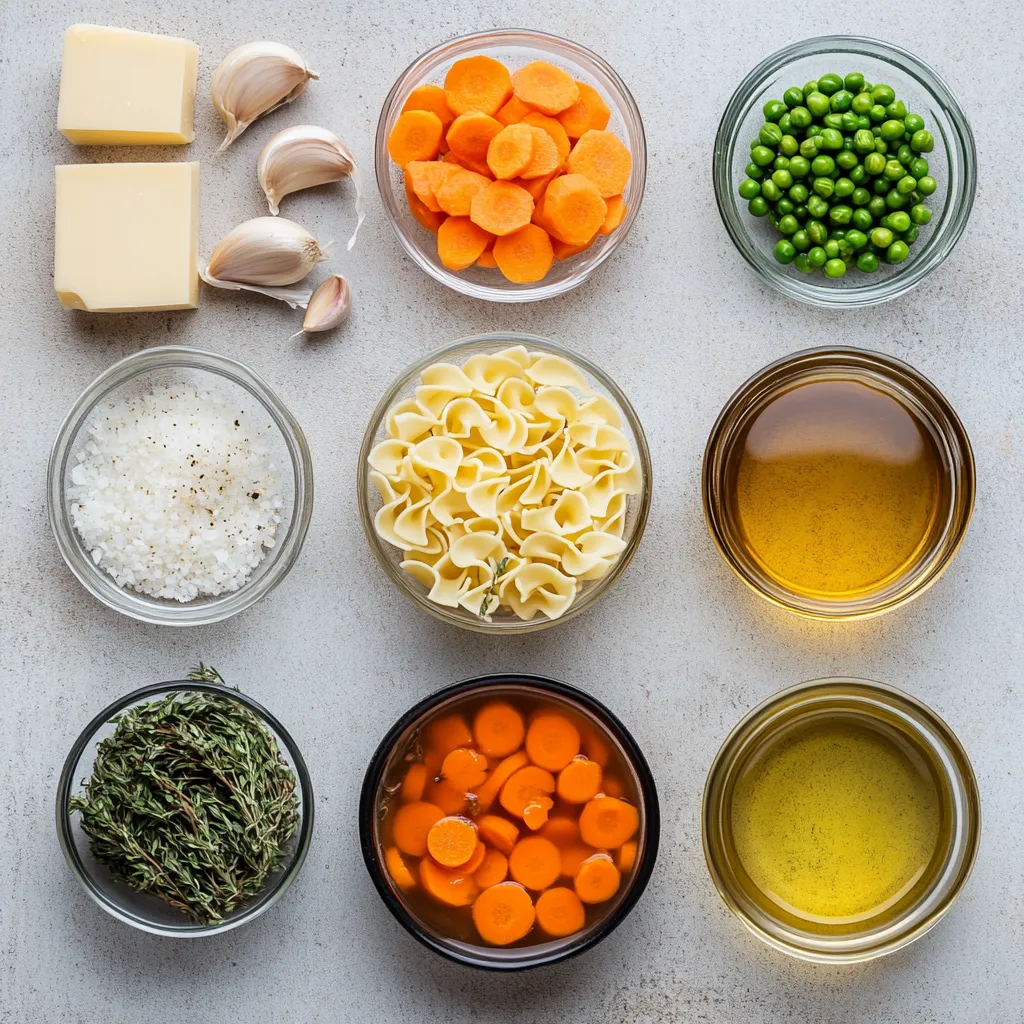
– 2 cups cooked turkey, shredded or diced
– 8 cups turkey or chicken broth
– 2 cups egg noodles
– 1 medium onion, diced
– 3 carrots, sliced
– 3 celery stalks, sliced
– 3 cloves garlic, minced
– 1 teaspoon dried thyme
– 1 teaspoon dried rosemary
– 1 bay leaf
– Salt and pepper, to taste
– 2 tablespoons olive oil
– Fresh parsley, chopped (for garnish)
– Optional: 1 cup frozen peas
Instructions
1. Sauté the Vegetables: In a large pot, heat the olive oil over medium heat. Once hot, add the diced onion, sliced carrots, and sliced celery. Sauté for 5-7 minutes, stirring occasionally, until the vegetables are tender and the onion becomes translucent. Add the minced garlic and cook for an additional minute, until the garlic is fragrant.
2. Add the Broth: Carefully pour in the turkey or chicken broth, stirring to combine. Increase the heat slightly and bring the mixture to a gentle boil.
3. Season the Soup: Add the dried thyme, dried rosemary, and bay leaf to the pot. Season the mixture with salt and pepper to taste. Stir everything well to ensure the flavors meld together.
4. Cook the Noodles: Once the broth is boiling, add the egg noodles to the pot. Cook according to the package instructions, usually about 6-8 minutes, until the noodles are al dente.
5. Incorporate the Turkey: When the noodles are cooked, stir in the shredded turkey and, if desired, the frozen peas. Allow the soup to simmer for an additional 5 minutes, just to heat the turkey through and blend the flavors.
6. Final Touches: Remove the bay leaf from the pot. Taste the soup and adjust the seasoning with additional salt and pepper if needed.
7. Serve: Ladle the warm soup into bowls and garnish with freshly chopped parsley for a burst of color and flavor. Enjoy your comforting turkey noodle soup!
Cooking Methodology
Preparing the Vegetables
The heart of any great soup begins with high-quality fresh vegetables. In this turkey noodle soup recipe, onions, carrots, and celery play a pivotal role in creating a flavorful base. Start by dicing the onion, slicing the carrots and celery, ensuring each piece is uniform for even cooking. This preparation not only speeds up cooking time but also allows each ingredient to contribute equally to the overall flavor profile.
Incorporating aromatics such as garlic further elevates the dish. Minced garlic adds a fragrant kick that complements the sweetness of carrots and earthiness of celery. When sautéed, these vegetables release their natural sugars and develop a caramelized flavor, enhancing the soup’s depth.
Sautéing for Flavor Development
Sautéing the vegetables in olive oil serves a dual purpose: cooking the vegetables and infusing the oil with rich flavors. The medium heat allows for a gentle cooking process where the vegetables soften without burning. The key is to monitor the sautéing closely and stir occasionally, allowing each vegetable to become tender while the onion turns translucent.
The timing is crucial during this step; a perfect sauté results in a sweet and aromatic starting point for the soup. As the garlic cooks, it becomes fragrant, signaling that it’s time to add the broth and proceed to the next phase of this delicious dish.
Importance of Fresh Ingredients
Using fresh ingredients is essential for achieving a vibrant and flavorful soup. Fresh vegetables not only provide better taste and texture but also retain more nutrients compared to their frozen or canned counterparts. When working with fresh produce, the flavors are more pronounced, leading to a balanced soup that showcases the quality of its ingredients.
For optimal results, aim for seasonal vegetables. Fresh carrots and celery can be readily found at farmers’ markets or grocery stores, often at their peak flavor. Additional herbs, such as parsley for garnish, can elevate the freshness even more, allowing each bowl to represent not just a meal, but a celebration of wholesome ingredients.
Broth Selection
Choosing Between Turkey and Chicken Broth
The choice of broth can significantly alter the flavor profile of your turkey noodle soup. While turkey broth complements the primary flavor of the dish, chicken broth provides a lighter alternative that still delivers a fragrant and tasty backdrop. If using homemade broth, you may notice a richer, more complex flavor due to the slow cooking process that extracts essence from the bones and vegetables.
If you find yourself limited to store-bought options, ensure to select a high-quality brand, preferably low-sodium, to have better control over the seasoning in your soup.
Store-Bought vs. Homemade Broth
When it comes to broth, a common debate arises: store-bought versus homemade. Homemade broth is often lauded for its rich depth of flavor and the control it provides over the ingredients used. However, for quick meals, store-bought broth can function effectively while saving time.
If opting for homemade, roast turkey bones and simmer with aromatics like onion and garlic for an unbeatable taste. If using store-bought broth, enhance it with additional herbs and spices to elevate the flavor, ensuring your turkey noodle soup reaches its fullest potential.
Flavor Enhancements with Broth Types
Different types of broth offer distinct flavor notes that can enhance the soup. Turkey broth typically has a deeper, heartier taste, making it a more fitting choice for a turkey-based dish. Chicken broth, while lighter, can sometimes benefit from the addition of a few sprigs of fresh herbs during cooking, which allows the flavors to mingle. When making this turkey noodle soup, don’t hesitate to taste test and adjust the broth type according to your preference for a uniquely personalized flavor experience.
Noodle Options
Selecting the Right Egg Noodles
Egg noodles are the classic choice for turkey noodle soup due to their tender texture and ability to absorb flavors. They come in various shapes and sizes, from wide ribbons to thinner varieties. When selecting the right egg noodles, consider factors such as thickness and cooking time, as these can influence the overall soup consistency.
A good rule of thumb is to choose noodles labeled ‘egg noodles’ in the grocery aisle, ensuring they are made primarily from egg and flour for the best flavor and texture.
Cooking Characteristics of Egg Noodles
Understanding the cooking characteristics of egg noodles plays a crucial role in crafting the perfect turkey noodle soup. These noodles typically cook quickly, usually between 6 to 8 minutes. Overcooking can lead to a mushy texture that detracts from the soup’s enjoyment.
To achieve the right al dente texture, add the noodles to the boiling broth and monitor the cooking time closely. Remember to stir occasionally to prevent sticking, allowing for an even dispersion of heat. This attention to detail ensures a pleasing texture that’s a joy to enjoy in each hearty spoonful.
Substituting Other Types of Noodles
While egg noodles are traditional, don’t hesitate to experiment with different types of noodles. For a gluten-free version, consider using rice noodles or gluten-free pasta, which can effectively substitute in this recipe without compromising flavor. However, cooking times may vary, so keep an eye on the noodles as they cook to ensure they maintain a pleasant texture. Whether you choose egg noodles or an alternative, the goal remains the same: to create a comforting and delicious base for your turkey noodle soup.
Optional Add-ins: Frozen Peas for Color and Nutrients
Frozen peas are an excellent optional addition to this turkey noodle soup. They not only enhance the visual appeal of the dish by adding a bright splash of green but also contribute nutritional value. Rich in vitamins A, C, and K, as well as fiber, incorporating peas can elevate the health profile of your soup. Additionally, their natural sweetness complements the savory notes of the turkey and herbs nicely.
When adding frozen peas, simply stir them in during the last few minutes of cooking to ensure they retain their vibrant color and tender texture while heating through. This small adjustment can transform your turkey noodle soup into a more balanced meal.
Cooking Time and Temperature
Understanding Cooking Times for Ingredients
The cooking times for each component of your turkey noodle soup are crucial for achieving the perfect dish. Sautéing the vegetables until tender takes about 5-7 minutes, which builds a flavorful base. Following this, the broth is added and must come to a gentle boil, where the temperature should be monitored to avoid rapid boiling that could break down the ingredients.
The egg noodles typically require an additional 6-8 minutes of cooking after the broth starts boiling. It’s paramount to refer to the package instructions for the egg noodles, as different brands and types may vary slightly in required cooking times. The goal is al dente noodles that retain a slight bite—a pivotal textural element of the dish.
Importance of Gentle Simmer
Once everything is combined, maintaining a gentle simmer is essential. A rapid boil can lead to overcooked noodles and mushy vegetables. Instead, allowing the soup to simmer gently ensures that all flavors meld harmoniously while preserving the textures of the ingredients.
Achieving the Perfect Soup Consistency
For an ideal consistency, aim for a broth that is rich yet not overly thick. If you find your soup too dense, adding an extra cup of broth or water can help achieve a lighter texture while balancing all flavors.
Presentation Techniques
Serving Suggestions for a Homestyle Look
When serving your turkey noodle soup, consider using rustic bowls to enhance the homemade appeal. Ladle the soup generously, ensuring each serving has a good portion of turkey, vegetables, and noodles, creating a visually inviting dish.
Serving the soup with a side of crusty bread not only adds texture but also invites a communal aspect to the meal. Guests can use the bread to soak up the flavorful broth.
Garnishing with Fresh Parsley
Garnishing with freshly chopped parsley at the end serves multiple purposes—it brightens up the presentation and introduces a hint of freshness. A sprinkle over the top of each bowl provides color contrast and elevates the overall aesthetic while adding a subtle herbal note.
Accompaniments: Crusty Bread and Additional Herbs
Crusty bread, such as a baguette or sourdough, pairs beautifully with turkey noodle soup. Its crispy crust and soft interior invite dipping, allowing diners to enjoy the broth to the last drop. Alternatively, you can offer additional fresh herbs like thyme or chives to sprinkle on top before serving, enhancing the aromatic experience further.
Storing Leftovers
Proper Storage Techniques
Once you have enjoyed your turkey noodle soup, proper storage is important for maintaining freshness and flavor. Allow the soup to cool to room temperature before transferring it to airtight containers. Glass containers with tight lids are ideal as they are non-reactive and can be easily reheated.
Shelf Life of Turkey Noodle Soup
Properly stored, turkey noodle soup can last in the refrigerator for about 3-4 days. If you want to keep it for a longer duration, consider freezing it in portions, where it can be stored for up to 2-3 months. Remember to leave some space in the container as soups expand when frozen.
Reheating Instructions for Optimal Texture
When reheating, particularly if frozen, allow the soup to thaw completely in the refrigerator overnight. Reheat over medium heat on the stovetop, stirring occasionally, until hot throughout. If the soup has thickened, adding a splash of broth or water helps restore the original texture and ensures it is not too salty.
Variations and Adaptations
Vegetarian Adaptations with Plant-Based Ingredients
For those seeking a vegetarian version of turkey noodle soup, you can substitute cooked turkey with plant-based protein sources such as chickpeas or lentils, which offer hearty textures and flavors. Additionally, use vegetable broth in place of chicken or turkey broth to maintain depth in flavor.
Adding Seasonal Vegetables
Incorporating seasonal vegetables can diversify the taste profile. For instance, adding diced zucchini or spinach can introduce new flavors and provide additional nutrients. These vegetables should be added alongside the carrots and celery for even cooking.
Spice Up Your Soup: Heat and Flavor Boosters
If you’re looking for a little kick, consider adding a pinch of red pepper flakes or a dash of hot sauce while simmering the soup. This can elevate your dish and bring warmth without overpowering the existing flavors.
Nutritional Profile
Evaluating Calories and Macronutrient Breakdown
Per serving, turkey noodle soup is a nourishing option, providing protein from turkey and carbohydrates from the egg noodles. A typical serving has approximately 250-300 calories, though this may vary based on specific ingredient brands and additional add-ins like peas.
Health Benefits of Key Ingredients
Key ingredients contribute various health benefits. Turkey is rich in protein and low in fat, providing essential amino acids. Meanwhile, vegetables like carrots and celery are high in vitamins and minerals, essential for a balanced diet. Egg noodles contribute energy-sustaining carbohydrates, making this soup a wholesome option.
Making it a Balanced Meal
For a rounded meal, serve your turkey noodle soup alongside a light salad. Consider adding greens like spinach or kale, which can emphasize the meal’s vitamin content, or include whole-grain crackers for extra fiber.
Conclusion
Turkey noodle soup presents a harmonious blend of savory turkey, tender vegetables, and egg noodles, closely complemented by aromatic herbs. With a preparation time of approximately 35 minutes, it serves as an efficient recipe to utilize your Thanksgiving leftovers, yielding a satisfying meal. The culmination of flavors and textures makes this dish a warm staple that nurtures both body and soul.
Turkey Noodle Soup – The Ultimate Thanksgiving Leftover Delight
Ingredients
- 2 cups cooked turkey shredded or diced
- 8 cups turkey or chicken broth
- 2 cups egg noodles
- 1 medium onion diced
- 3 carrots sliced
- 3 celery stalks sliced
- 3 cloves garlic minced
- 1 teaspoon dried thyme
- 1 teaspoon dried rosemary
- 1 leaf bay leaf
- Salt and pepper to taste
- 2 tablespoons olive oil
- Fresh parsley chopped (for garnish)
- 1 cup frozen peas optional
Instructions
-
In a large pot, heat the olive oil over medium heat.
-
Add the diced onion, sliced carrots, and sliced celery. Sauté for 5-7 minutes until tender.
-
Add the minced garlic and cook for an additional minute.
-
Pour in the turkey or chicken broth and bring to a gentle boil.
-
Add dried thyme, dried rosemary, and bay leaf. Season with salt and pepper.
-
Once boiling, add the egg noodles and cook according to package instructions.
-
Stir in the shredded turkey and optional frozen peas, simmer for 5 minutes.
-
Remove the bay leaf and adjust seasoning if needed.
-
Ladle into bowls and garnish with chopped parsley.