
Introduction
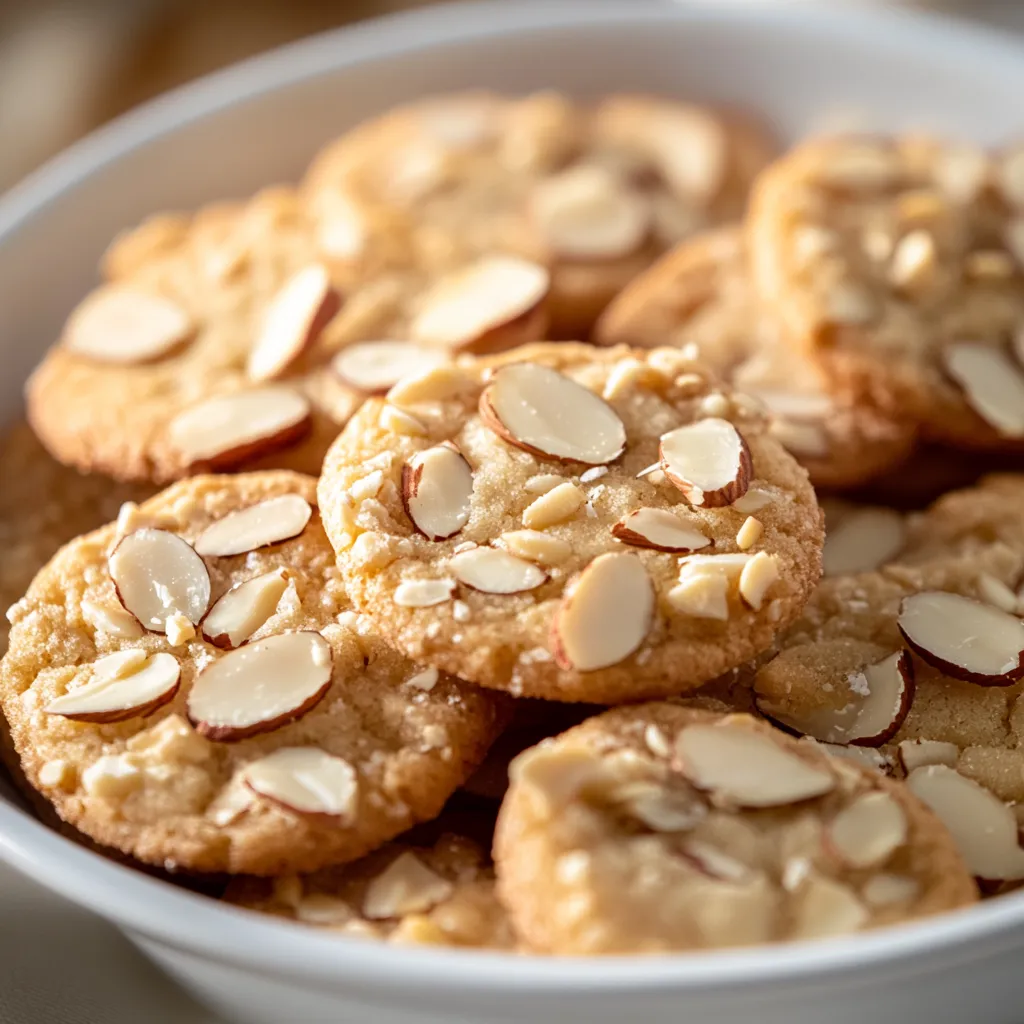
Understanding the rich tradition behind German almond cookies provides a glimpse into the cultural culinary landscape of Germany. These cookies, known for their delightful texture and rich flavors, hold a special place in various festive occasions and gatherings. The inclusion of marzipan—a sweet confection made primarily of almond meal and sugar—brings a unique depth to the taste that elevates this cookie beyond the ordinary. With a balanced sweetness and a hint of nutty aroma, these cookies are perfect for holiday celebrations, afternoon tea, or as a charming gift for loved ones.
Biting into a freshly baked German almond cookie reveals a tender interior with an unmistakable almond flavor, thickened by the use of marzipan. The gentle crunch from the sliced almonds on top provides a delightful contrast, ensuring each bite is an experience to savor. Whether you’re indulging in them solo or sharing with others, these cookies are sure to leave a lasting impression and bring comfort to any occasion.
Recipe Overview
– Total Time: Approximately 30 to 40 minutes
– Yield/Servings: Not specified in the recipe
– Difficulty: Not specified in the recipe
Preparation Time
The preparation time for these German almond cookies, including mixing the ingredients, typically takes around 15 to 20 minutes. This allows you to gather all the ingredients and combine them into a smooth dough that’s ready for baking.
Baking Time
The cookies require about 12 to 15 minutes in the oven. This timing ensures that the edges achieve a light golden brown hue while keeping the centers soft and chewy, contributing to the overall delightful texture of the cookies.
Difficulty Level
The recipe for German almond cookies with marzipan can be considered accessible for novice bakers due to the few steps involved and straightforward techniques. However, experienced bakers will also find joy in crafting these elegant treats, making it an ideal recipe for all skill levels.
Ingredients
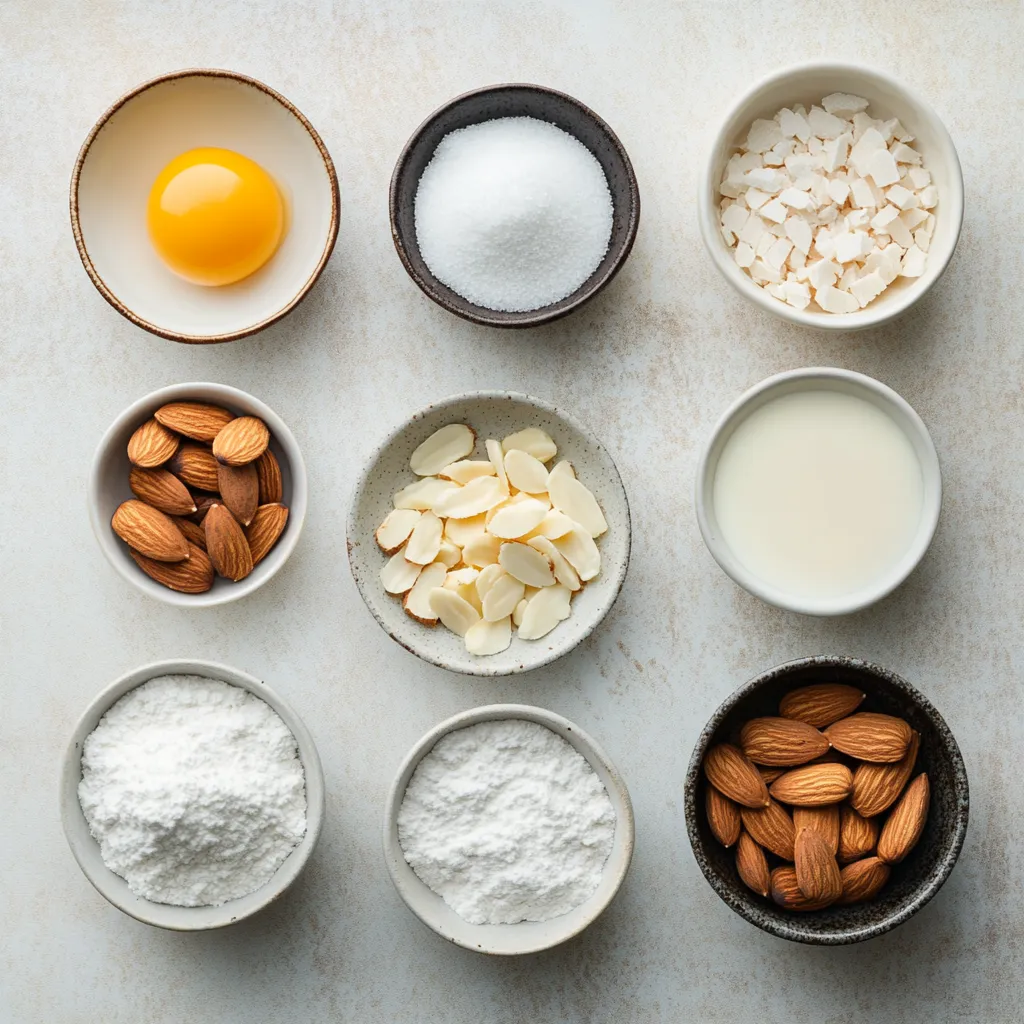
– 200g marzipan, crumbled
– 100g almond flour
– 100g powdered sugar
– 1 large egg white
– 1 teaspoon vanilla extract
– 1/2 teaspoon almond extract
– 1/4 teaspoon salt
– 100g sliced almonds (for topping)
– Optional: Additional powdered sugar for dusting
Main Components
The main components of this delicious cookie are marzipan and almond flour. Marzipan not only provides sweetness but also imparts a rich almond flavor that is fundamental to this recipe. Almond flour, made by finely grinding almonds, adds additional nutty notes and contributes to the desirable texture of the cookies. Together, these ingredients form the cookie’s base, which is not overly sweet, allowing the almond flavor to shine through.
Flavor Enhancers
To further enhance the flavor profile, this recipe incorporates vanilla extract and almond extract. The vanilla adds a warm, mellow sweetness that complements the nuttiness of the almonds beautifully. Meanwhile, the almond extract intensifies the essence of almonds, ensuring the cookies taste genuinely rich and authentic.
Binding Agents
Egg white acts as a binding agent in the recipe, providing the necessary structure and moisture. This not only helps the dough hold together, but it also contributes to the cookies’ lovely chewy texture. The egg white’s ability to create a binding effect is crucial, especially when working with crumbly ingredients like marzipan and almond flour.
Toppings
The use of sliced almonds for topping the cookies serves both aesthetic and textural purposes. Not only do they add visual appeal to the finished cookies, but they also introduce a subtle crunch that contrasts with the tender texture of the cookie. This thoughtful addition transforms the cookies from simple treats into elegant confections that are impressive and delightful.
Equipment Needed
To make these German almond cookies successfully, a few essential tools and equipment can facilitate your baking process.
Mixing Tools
A hand mixer is highly recommended for mixing the dough to achieve a smooth and well-combined mixture of ingredients. However, a sturdy spatula can also be effective if you prefer a more hands-on approach. Regardless of the option you choose, ensure that the ingredients are blended thoroughly to avoid any dry clumps in the dough.
Baking Sheet Preparation
It’s crucial to prepare your baking sheet by lining it with parchment paper. This step is important to prevent the cookies from sticking to the surface while baking. The parchment also helps distribute heat evenly, facilitating a uniform baking process that ensures crispy edges while keeping the centers soft.
Step-by-Step Preparation
Mastering the preparation of these cookies involves a few straightforward steps that will yield delicious results.
Preheating the Oven
Begin by preheating your oven to 175°C (350°F). Properly preheating the oven is essential to ensure that the cookies bake evenly. By allowing the oven to reach the desired temperature before placing in the cookies, you help guarantee a consistent bake, achieving the ideal texture and color.
Mixing Ingredients
In a large mixing bowl, crumble the marzipan into small pieces to facilitate its incorporation. Following that, add the almond flour, powdered sugar, egg white, vanilla extract, almond extract, and salt to the bowl. Using a hand mixer or sturdy spatula, mix the ingredients until you achieve a smooth, slightly sticky dough. If the dough appears too dry, don’t hesitate to add a small amount of egg white gradually until it holds together well. This careful mixing is fundamental in creating a uniform dough that bakes beautifully.
Forming the Cookies
Once the dough is prepared, use clean hands to scoop out portions and roll them into small balls, ensuring they are about 1 inch in diameter. As you arrange the balls on the prepared baking sheet, remember to leave enough space between each cookie. This space is critical as it allows for spreading during baking, ensuring that each cookie maintains its desired shape and does not merge with others during the baking process.
By following these detailed steps and understanding the purpose of each ingredient and tool, you’ll be well on your way to creating delightful German almond cookies that are sure to impress anyone who tries them.
Optimal Baking Temperature
The ideal baking temperature for these German almond cookies is set at 175°C (350°F). It is crucial to ensure that your oven is preheated properly to avoid uneven cooking. An oven thermometer can be a useful instrument to verify if your oven reaches the correct temperature and maintains it throughout the baking process. For optimal results, avoid opening the oven door too frequently during baking, as this can cause temperature fluctuations that may affect the texture of the cookies.
Doneness Indicators
To determine whether your cookies are perfectly baked, pay close attention to their color and texture. Aim for a light golden brown along the edges while observing that the centers remain soft and slightly puffed. The cookies will continue to set as they cool, so they should not be overly firm when pulled from the oven. Underbaking slightly helps to maintain a delightful, chewy center—an essential characteristic of these cookies.
Cooling Period
Proper cooling is essential in developing the flavor and texture of your cookies. After removing them from the oven, allow them to cool on the baking sheet for a few minutes before transferring them to a wire rack. This brief period helps in firming up the structure of the cookies while preventing them from breaking apart during handling.
Benefits of Cooling
Transferring the cookies to a wire rack allows air to circulate around them, helping to dissipate heat evenly and preventing sogginess. This method not only preserves the desired chewy texture but also prevents steam from accumulating underneath, which can lead to soggy bottoms. Cooling completely ensures that each bite has the ideal balance of chewiness and crispness.
Dusting with Powdered Sugar
Dusting your cookies with powdered sugar is a simple touch that elevates their appearance. To achieve an even and light coating, it can be beneficial to use a fine-mesh sieve. Position the sieve above the cookies and gently tap it to evenly distribute the sugar. To prevent clumping, make sure to sift the powdered sugar before dusting, ensuring a delicate finish that enhances visual appeal without overwhelming the flavor.
Presentation Tips
For a stunning presentation, consider arranging the cookies on a decorative platter that complements their color. Using contrasting colors—like a dark wood or a bright-colored ceramic plate—can make the cookies pop visually. For an elegant finishing touch, sprinkle additional powdered sugar over the top or arrange whole almonds around the cookies. This not only adds aesthetic allure but also hints at the cookies’ primary ingredients.
Serving Suggestions
These cookies shine when presented in a way that highlights their delicate nature. Consider using tiered cake stands for an elevated display, making them a centerpiece for gatherings or celebrations. To enhance the experience, you can serve them alongside a small bowl of whole almonds or a light fruit compote for dipping.
Pairing Options
German almond cookies pair beautifully with various beverages. For a classic combination, serve them with a cup of strong coffee or espresso, which balances the cookies’ sweetness. Additionally, consider pairing them with herbal teas, particularly almond or chamomile, that enhance their nutty flavor profile. For a more indulgent experience, a glass of dessert wine or a sweet liqueur could complement these cookies well.
Variations
For those looking to give the traditional recipe a twist, there are several ways to customize these cookies while still cherishing their core flavor profile.
Flavor Alterations
Experimenting with different extracts can be a fun exploration of flavor. Instead of solely relying on vanilla and almond extracts, you can incorporate a hint of orange zest or lemon zest for a citrusy brightness. For a warming twist, add a sprinkle of ground cinnamon or nutmeg to introduce a subtle spice.
Ingredient Substitutions
If you require dietary modifications, consider replacing the almond flour with a gluten-free blend specifically formulated for baking. This ensures that those with gluten sensitivities can still enjoy the cookies without compromising flavor or texture. Additionally, you may substitute the egg white with a flaxseed mixture or chia seeds for a vegan alternative, keeping in mind that this may slightly alter the final texture.
Storage Tips
To maximize the freshness and longevity of your cookies, proper storage methods are crucial.
Best Storage Practices
Store the cooled cookies in an airtight container at room temperature. Choose a container that is not too large, as excess air may cause the cookies to lose their delightful texture. For an extra layer of protection, place parchment paper between layers of cookies to prevent sticking.
Shelf Life
When stored appropriately, these cookies will maintain their freshness for about one week at room temperature. If you wish to extend their shelf life, consider freezing them. Place the cooled cookies in a single layer on a baking sheet until frozen solid, then transfer them to a freezer-safe bag or container. Properly stored, they can last up to three months in the freezer.
Nutritional Information
Understanding the nutritional content can enhance enjoyment while ensuring that indulgence remains balanced.
Ingredient Nutritional Breakdown
Key ingredients like marzipan and almond flour bring substantial nutritional benefits to these cookies. Marzipan, primarily made from almonds and sugar, contributes healthy fats and a variety of vitamins and minerals. Almond flour adds protein and fiber, making these cookies a rich source of nutrients compared to traditional flour-based options.
Health Considerations
While these cookies can be enjoyed as part of a balanced diet, they are best suited for occasional treats due to their sugar content. Emphasizing portion control will allow you to savor the rich almond flavors without overindulgence. Enjoying these cookies along with a healthy, nutrient-dense meal can also help incorporate them into a well-rounded diet.
Conclusion
The delightful German almond cookies are a perfect blend of rich marzipan and almond flavor, offering a chewy texture with a slight crisp on the edges. The optional dusting of powdered sugar adds a sweet finishing touch, making them an irresistible treat enjoyed by many. With careful attention to baking, cooling, and presentation, these cookies hold their place as a cherished dessert in any setting.

Delicious German Almond Cookies with Marzipan
Ingredients
- 200 g marzipan crumbled
- 100 g almond flour
- 100 g powdered sugar
- 1 large egg white
- 1 teaspoon vanilla extract
- ½ teaspoon almond extract
- ¼ teaspoon salt
- 100 g sliced almonds for topping
- Additional powdered sugar for dusting optional
Instructions
-
Preheat your oven to 175°C (350°F) and line a baking sheet with parchment paper.
-
Crumble the marzipan into small pieces in a large mixing bowl.
-
Add almond flour, powdered sugar, egg white, vanilla extract, almond extract, and salt to the bowl.
-
Mix the ingredients until a smooth, slightly sticky dough forms.
-
Scoop portions of dough and roll them into small balls, about 1 inch in diameter.
-
Arrange the balls on the baking sheet with space between each cookie.
-
Press sliced almonds into the top of each cookie.
-
Bake for 12-15 minutes until edges are light golden brown and centers remain soft.
-
Allow cookies to cool on the baking sheet for a few minutes, then transfer to a wire rack.
-
Dust cooled cookies with powdered sugar before serving, if desired.