
Introduction
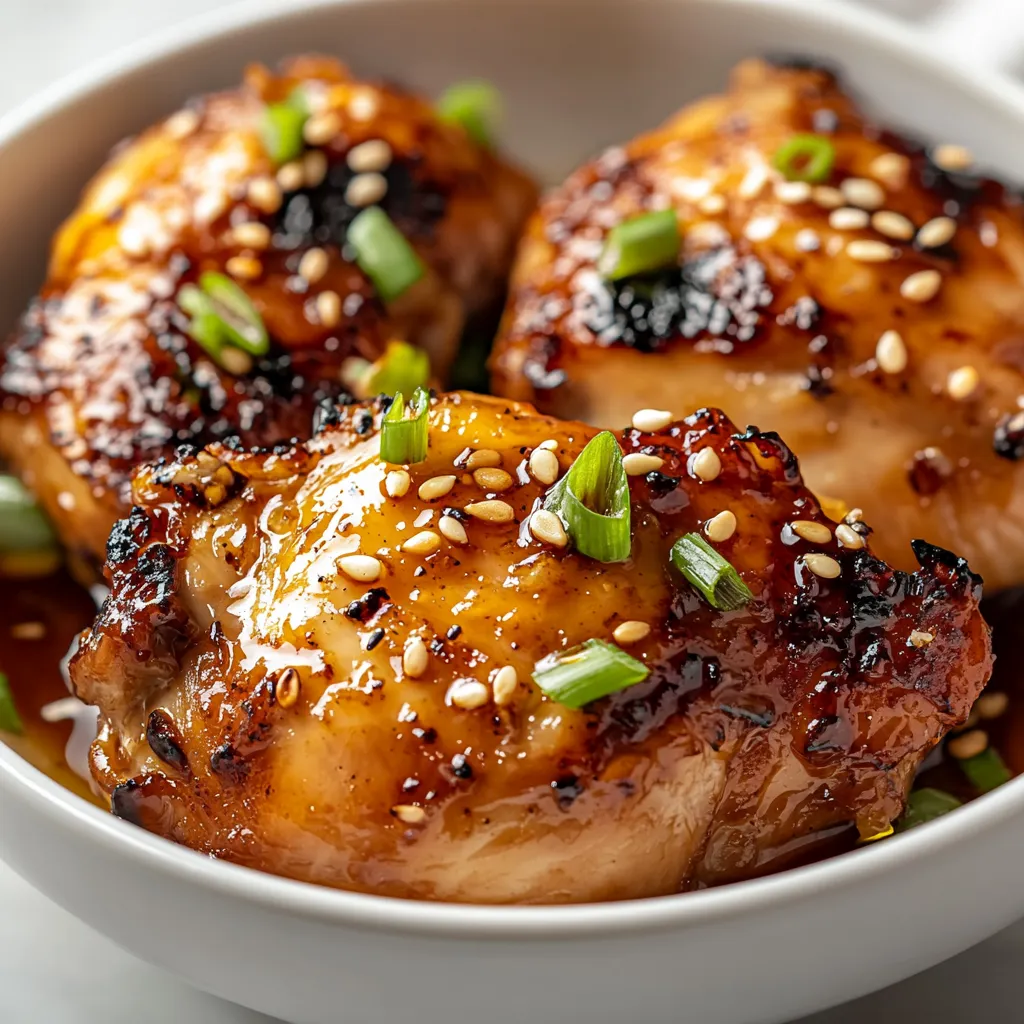
Garlic Miso Chicken Delight is a flavorful dish that beautifully combines the umami richness of miso paste with the aromatic intensity of garlic. The marinade infuses the chicken thighs with an exquisite balance of savory, sweet, and tangy flavors, making it a delectable option for a quick weeknight dinner or an impressive dish to serve at gatherings. The combination of these ingredients results in juicy, tender chicken that holds an enticing golden-brown crust, drawing everyone to the table.
Marinating chicken is not just a matter of flavor; it also plays a vital role in enhancing the texture of the meat. A proper marinade breaks down the proteins in the chicken, allowing it to absorb flavors more effectively, ensuring every bite is seasoned throughout. This particular recipe achieves maximum flavor in just a short marination period, yet it offers the flexibility to allow more intense flavor development if left longer.
The culinary benefits of using miso and garlic in this recipe cannot be overstated. Miso paste, a traditional Japanese ingredient, adds an enriching depth of flavor while providing beneficial probiotics, promoting gut health. Garlic, revered for its aromatic qualities and health benefits, brings an intense flavor that complements the mildness of the chicken. Together, they create a dish that is not only delightful on the palate but also enriched with nutritional advantages.
Recipe Overview
– Total Time: Not specified in the recipe
– Yield/Servings: Not specified in the recipe
– Difficulty: Not specified in the recipe
Ingredients
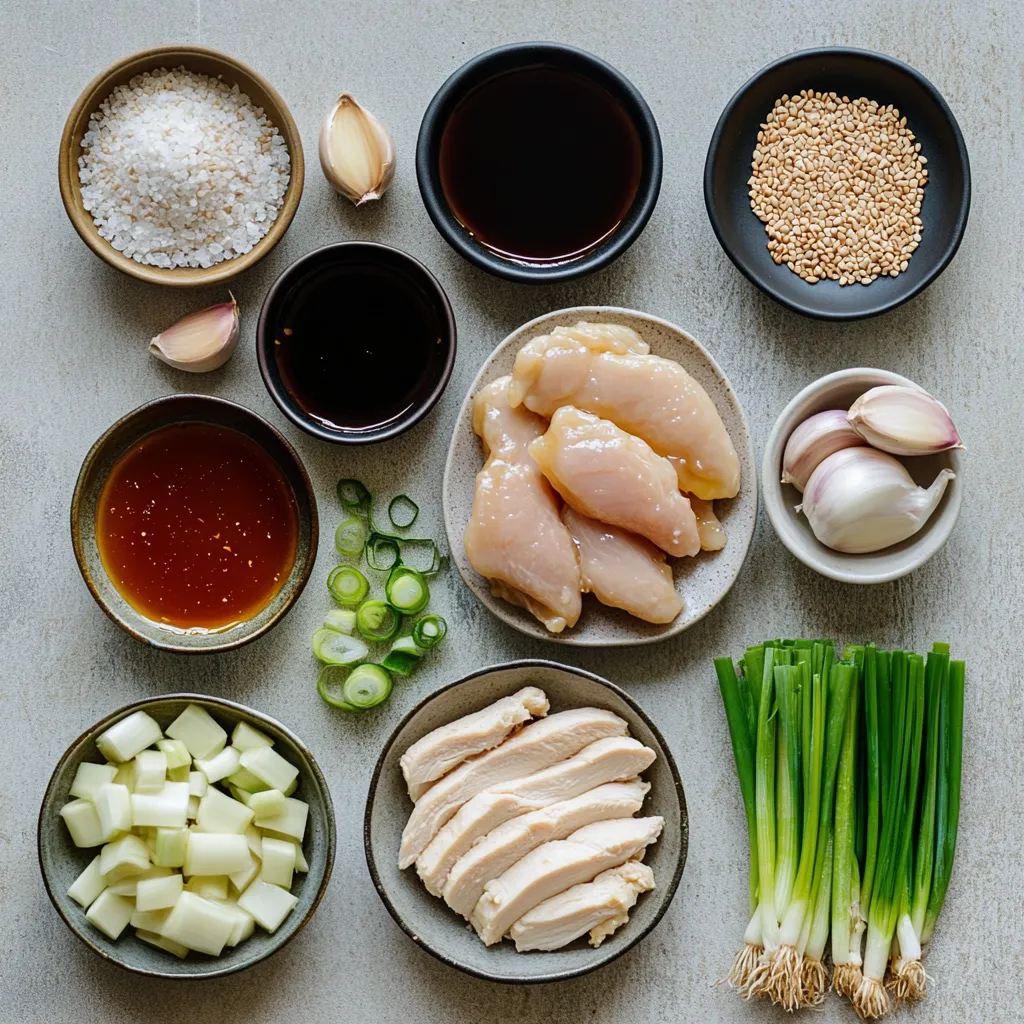
– 4 boneless, skinless chicken thighs
– 3 tablespoons miso paste (choose white or yellow for a milder flavor)
– 4 cloves of garlic, finely minced
– 2 tablespoons soy sauce
– 1 tablespoon honey or maple syrup (for sweetness)
– 1 tablespoon rice vinegar (for acidity)
– 2 tablespoons sesame oil (for richness)
– 1 teaspoon fresh ginger, grated
– 1 tablespoon sesame seeds (for garnish)
– 2 green onions, thinly sliced (for garnish)
– Salt and pepper to taste
Instructions
1. In a medium mixing bowl, thoroughly combine the miso paste, minced garlic, soy sauce, honey (or maple syrup), rice vinegar, sesame oil, and grated ginger. Whisk the mixture until it reaches a smooth consistency.
2. Pat the chicken thighs dry using paper towels to ensure a good sear. Season both sides generously with salt and pepper.
3. Place the seasoned chicken thighs into a resealable plastic bag or a shallow dish. Pour the miso marinade over the chicken, ensuring each piece is thoroughly coated. Seal the bag tightly or cover the dish, then refrigerate for a minimum of 30 minutes, allowing the flavors to infuse; for a deeper flavor, marinate for up to 2 hours.
4. Preheat your grill or a skillet over medium-high heat. If using a skillet, add a drizzle of oil to prevent the chicken from sticking.
5. Remove the chicken thighs from the marinade, allowing any excess marinade to drip off. Discard the leftover marinade to avoid contamination.
6. Grill or cook the chicken for approximately 6-7 minutes on each side, or until the internal temperature reaches 165°F (75°C) and the chicken has developed a beautiful golden-brown caramelization.
7. After cooking, remove the chicken from the heat and let it rest for about 5 minutes to retain its juices.
8. Slice the chicken into bite-sized pieces and arrange them on a serving platter. Finish by sprinkling with sesame seeds and garnishing with the sliced green onions for a pop of color and flavor.
Preparing the Miso Marinade
Choosing the Right Miso Paste
The choice of miso paste is crucial to achieving the desired flavor profile for the Garlic Miso Chicken Delight. White miso or yellow miso is recommended for those looking for a milder taste. White miso, known for its sweet, creamy texture, complements the other ingredients without overpowering them. Yellow miso creates a slightly deeper flavor while still remaining gentle enough to let the garlic and ginger shine. By selecting the right type of miso, you can significantly enhance the dish’s balance and richness.
Step-by-Step Marinade Instructions
To prepare the marinade, start by combining the miso paste with the finely minced garlic using a medium mixing bowl. The addition of soy sauce adds depth and saltiness, while honey (or maple syrup) contributes a touch of sweetness that balances the umami. The rice vinegar brings acidity into the mix, enhancing the overall flavor profile. Finally, drizzle in the sesame oil, which adds smooth richness, and incorporate the fresh grated ginger for an extra kick. Whisk until the ingredients form a smooth, cohesive mixture, creating a flavorful marinade perfect for entrapping the chicken thigh’s essence.
Tips for Ensuring a Smooth Consistency
To achieve a smooth consistency in the marinade, it is essential to ensure all ingredients are at room temperature before mixing. This allows the miso paste to blend seamlessly with the liquids without clumping. If you find the mixture too thick, consider adding a small amount of water or additional soy sauce until the desired consistency is achieved. Taking the time to ensure the marinade is well-mixed will result in a better coating for the chicken, allowing for even flavor distribution as it marinates.
Marinating the Chicken
Marinating the chicken thighs not only enhances flavor but also improves texture. When placing the seasoned chicken into a resealable plastic bag or a shallow dish, ensure that the marinade thoroughly coats each piece. Sealing the bag properly or covering the dish is essential to prevent any leakage and to ensure the chicken absorbs the flavors effectively. A minimum marination time of 30 minutes is necessary for the flavors to infuse adequately; however, allowing the chicken to marinate for up to 2 hours can yield an even more robust flavor. Always refrigerate the chicken during the marination process to keep it safe for consumption. The well-marinated chicken will reward you with a delectable and savory dish once cooked.
Importance of Drying the Chicken
Drying the chicken thighs before seasoning is a crucial step in ensuring that they achieve the desired texture and flavor during cooking. By patting the chicken dry with paper towels, you remove excess moisture that can hinder the searing process and lead to steaming rather than browning. A dry surface allows the marinade to adhere better, and when the thighs hit the heat, they can form a delicious crust while retaining their juiciness inside.
Techniques for Seasoning the Chicken
For optimal flavor absorption, it’s vital to season the chicken correctly. Generously season both sides of the chicken thighs with salt and pepper. Salt not only enhances flavor but also helps to draw moisture to the surface, creating a more intense taste. Adding pepper increases the flavor complexity. This initial seasoning works harmoniously with the miso marinade, bringing a well-rounded taste to the dish as the chicken cooks.
Best Practices for Marinating
Marination is at the heart of flavor development in this recipe. Always use a glass dish or a resealable plastic bag to marinate the chicken, as these materials do not react with acidic ingredients. Air should be expelled from the bag before sealing to ensure that the marinade adheres to all surfaces of the chicken. The marination time can significantly impact the dish’s outcome—shorter marination (30 minutes) will provide a subtle flavor, while longer marination (up to 2 hours) allows for deeper penetration of flavors.
Cooking Methods
Grilling vs. Pan-Searing
Both grilling and pan-searing yield delicious results, yet they provide different textures and tastes. Grilling imparts a smoky flavor that adds an extra layer of complexity to the dish, while pan-searing gives you a more controlled heat, allowing for even cooking and easy monitoring of the chicken. Choose grilling for an outdoor flavor, and pan-searing for convenience and ease.
Preheating the Grill or Skillet
Proper preheating of your grill or skillet ensures that the chicken begins cooking immediately upon contact. This immediate sizzle locks in juices and supports the caramelization process, resulting in a better texture. For grilling, let the grill heat to medium-high, around 375°F (190°C). If using a skillet, preheat until it’s hot enough that a drop of water sizzles upon contact.
Oil Usage for Cooking
Incorporating oil is essential to prevent sticking and to facilitate the browning process. If grilling, you may want to oil the grates to avoid the chicken from sticking. If using a skillet, add a drizzle of oil before placing the chicken, ensuring even coverage without a greasy finish.
Cooking the Chicken
Timing and Temperature Guidelines
Cooking times will vary slightly based on the thickness of the chicken thighs. Approximately 6-7 minutes per side should be adequate for achieving an internal temperature of 165°F (75°C). It’s advisable to check the temperature using a meat thermometer inserted into the thickest part of the thigh.
Checking for Doneness
Rely on an instant-read meat thermometer for accuracy when checking doneness. Aim for 165°F (75°C) internally. If you don’t have a thermometer, another method is to make a small cut into the thickest part of the thigh; the juices should run clear with minimal pinkness.
Achieving the Perfect Golden-Brown Caramelization
Golden-brown caramelization not only enhances visual appeal but also contributes to flavor depth. Avoid moving the chicken too often during cooking; let it sit undisturbed for the full cooking time on each side before checking for doneness to develop that lovely crust.
Resting the Chicken
Importance of Resting After Cooking
Resting is a vital step in the cooking process that allows juices to redistribute throughout the chicken. This short wait ensures that the chicken remains tender and juicy, rather than losing moisture when cut immediately.
How Long to Let the Chicken Rest
Allow the chicken to rest for about 5 minutes after cooking. This brief period is sufficient for the juices to settle, promoting optimal flavor and texture in each bite.
Tips for Juiciness and Flavor Retention
While resting, cover the chicken loosely with aluminum foil. This keeps it warm while still allowing some steam to escape, preventing it from becoming soggy and preserving that perfect juicy texture.
Slicing and Serving the Chicken
Techniques for Slicing the Chicken Thighs
To best appreciate the tender texture of the chicken, slice against the grain. This technique shortens muscle fibers, making each bite more tender. Use a sharp knife for clean cuts, and ensure even-sized pieces for uniform presentation.
Presentation on a Platter
Serve the sliced chicken attractively on a vibrant platter. Arrange the pieces in an overlapping pattern for a visually appealing display. A sprinkle of sesame seeds and sliced green onions creates contrast and enhances presentation.
Enhancing the Dish with Garnishes
Garnishing with sesame seeds and green onions not only adds a splash of color but also contributes additional flavor. For those seeking extra crunch, consider toasted sesame seeds or even a sprinkle of crushed red pepper for a slight kick.
Side Dish Pairings
Best Choices for a Complete Meal
To complement the Garlic Miso Chicken Delight, consider the following side dish pairings, each providing balance and texture to your meal.
– Steamed Rice: Preparation and Flavor Considerations
Steamed rice serves as a neutral base that absorbs the rich flavors of the chicken. Opt for jasmine or basmati rice for added fragrance. A touch of salt or a sprinkle of sesame oil adds depth, and using broth instead of water enhances flavor.
– Fresh Salad: Recommended Tips and Combinations
Create a light, refreshing salad with mixed greens, carrots, cucumber, and perhaps a light sesame vinaigrette. The crunch of fresh vegetables can provide a lovely contrast to the tender chicken, enhancing the overall meal experience.
Storage and Reheating Tips
Proper Storage Techniques
To ensure optimal freshness, store any leftover chicken in an airtight container in the refrigerator. It will stay good for up to three days. For longer storage, consider freezing; wrap the chicken tightly in plastic wrap or foil before placing it in a freezer-safe bag.
Best Practices for Reheating Without Drying Out
When reheating, do so gently to avoid drying out the chicken. Use a microwave with a cover to retain moisture, or reheat in a skillet over low heat with a splash of water to create steam. Cover the skillet to minimize evaporation, ensuring the chicken remains tender and flavorful.
Conclusion
Garlic Miso Chicken Delight showcases a beautiful blend of savory and sweet flavors enveloping tender chicken, perfect for any dining occasion. With its quick preparation and delicious outcome, this dish not only satisfies the taste buds but also presents beautifully on the table, making it an ideal choice for family dinners or entertaining.
Garlic Miso Chicken Delight Recipe
Ingredients
- 4 pieces boneless skinless chicken thighs
- 3 tablespoons miso paste
- 4 cloves garlic finely minced
- 2 tablespoons soy sauce
- 1 tablespoon honey or maple syrup
- 1 tablespoon rice vinegar
- 2 tablespoons sesame oil
- 1 teaspoon fresh ginger grated
- 1 tablespoon sesame seeds
- 2 pieces green onions thinly sliced
- to taste salt and pepper
Instructions
-
Combine miso paste, minced garlic, soy sauce, honey, rice vinegar, sesame oil, and grated ginger in a bowl and whisk until smooth.
-
Pat chicken thighs dry and season with salt and pepper.
-
Place chicken in a bag or dish, pour marinade over, seal or cover, and refrigerate for at least 30 minutes.
-
Preheat grill or skillet over medium-high heat, adding oil if using a skillet.
-
Remove chicken from marinade, letting excess drip off, and discard leftover marinade.
-
Grill or cook chicken for 6-7 minutes per side until internal temperature reaches 165°F (75°C).
-
Let chicken rest for 5 minutes after cooking.
-
Slice chicken into bite-sized pieces and arrange on a platter.
-
Garnish with sesame seeds and sliced green onions before serving.