
Introduction
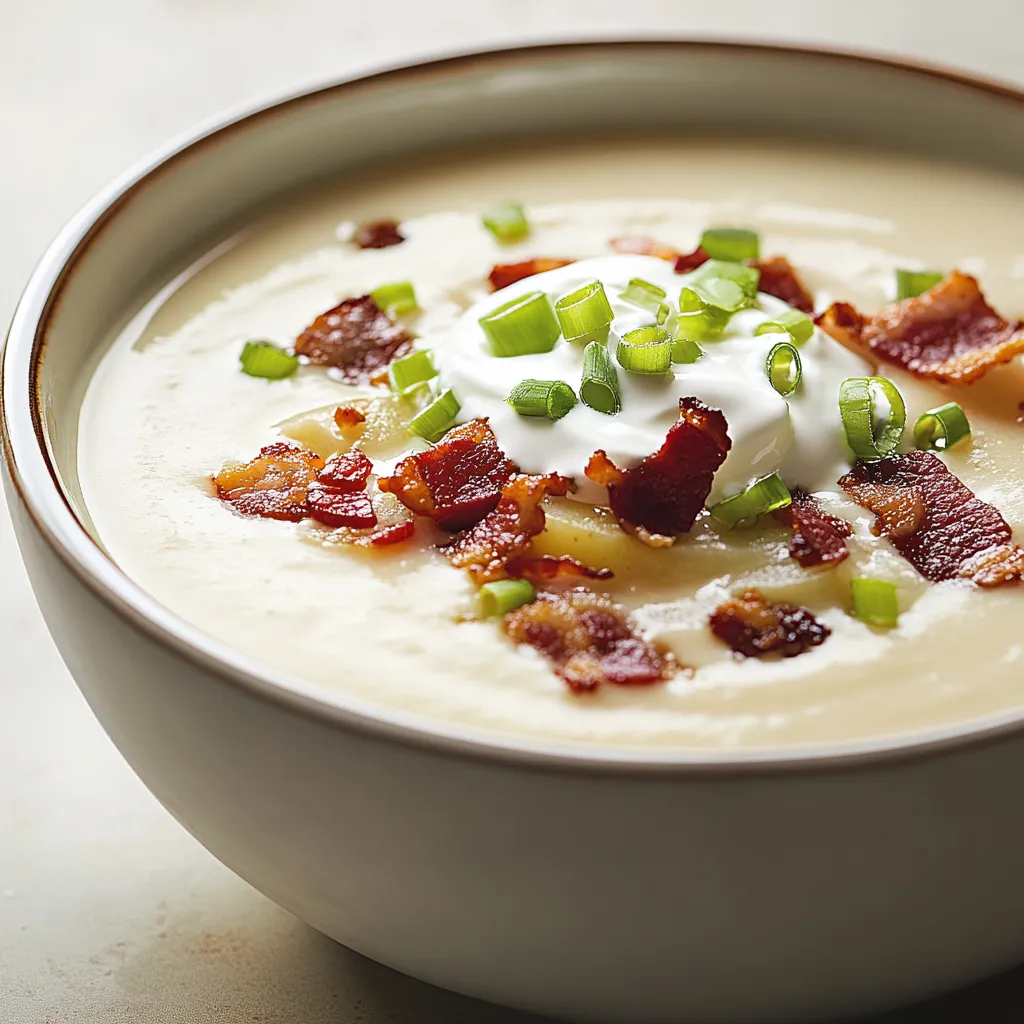
Outback-Style Loaded Potato Soup is a delightfully creamy and hearty dish that brings the warmth of comfort food right to your table. Known for its rich flavors and satisfying texture, this soup mimics the beloved, indulgent offerings found at famous steakhouses. With its combination of tender potatoes, sharp cheddar cheese, smoky bacon bits, and a creamy finish, each spoonful delivers a burst of flavor that invites you back for more.
Loaded potato soup enjoys immense popularity in American cuisine and is celebrated for its versatility. Whether you are enjoying it during a cozy family dinner or serving it at a gathering with friends, this dispatch of comforting warmth is perfect for any occasion. As the seasons change and cooler nights settle in, there’s nothing quite like a bowl of freshly made loaded potato soup to act as a warm embrace.
In culinary traditions, comfort foods possess unique significance—they offer not only nourishment but also a sense of familiarity and nostalgia. Often associated with family gatherings and holiday meals, comforting dishes have the ability to evoke cherished memories. Outback-Style Loaded Potato Soup is an excellent representation of this sentiment, creating an atmosphere of warmth and comfort around any dining table.
Recipe Overview
– Total Time: 50 minutes
– Servings: 6
– Difficulty: Not specified in the recipe
Outback-Style Loaded Potato Soup is beautifully thick and creamy, making it the ideal dish for serving on chilly evenings. This soup is packed with layers of flavor, thanks to the blending of hearty russet potatoes, rich heavy cream, and sharp cheddar cheese. The addition of crispy bacon bits complements the creamy base with a satisfying crunch, while green onions provide a bright finish.
Consider serving this appealing soup alongside crusty bread for a completely satisfying meal. It’s a versatile dish that performs well as an appetizer or the main course.
Ingredients
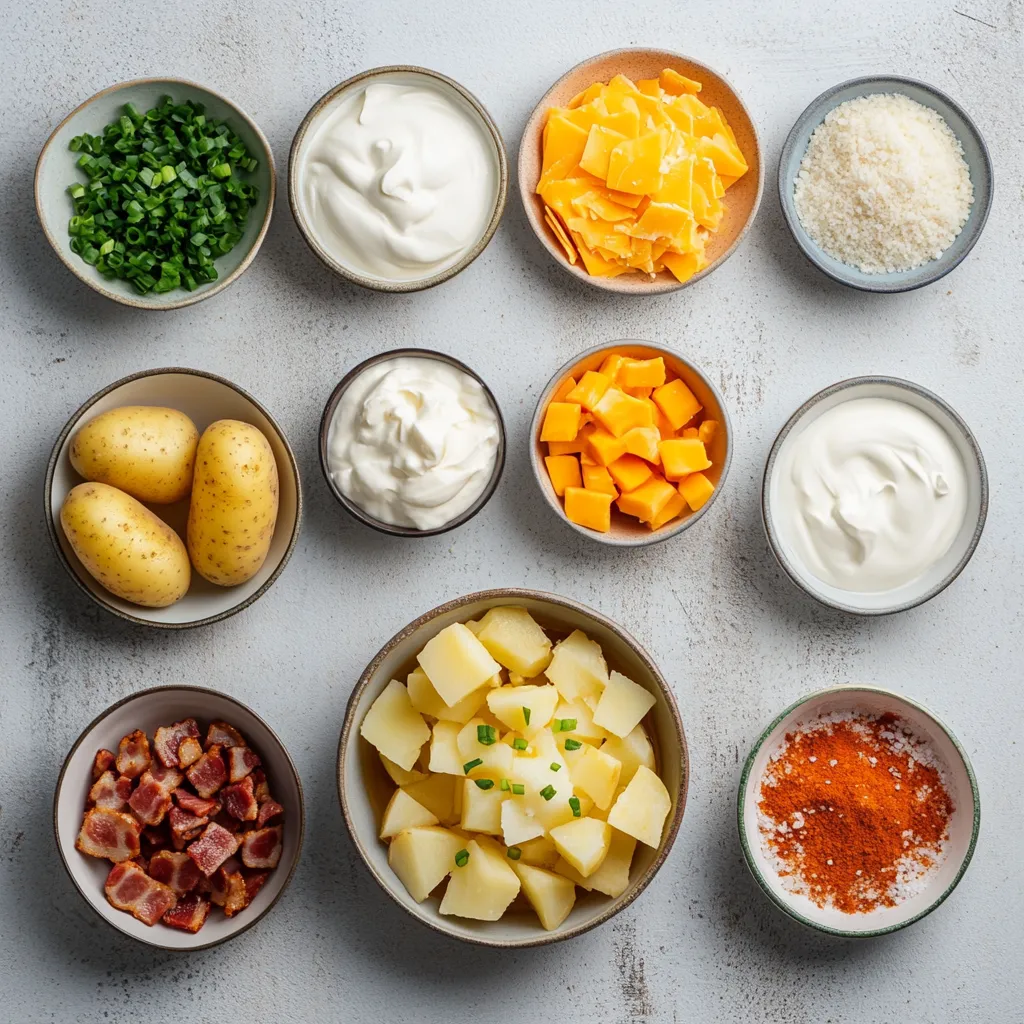
– 4 large russet potatoes, peeled and diced into bite-sized pieces
– 1 medium onion, finely chopped
– 2 garlic cloves, minced
– 4 cups chicken or vegetable broth
– 1 cup heavy cream
– 1 cup shredded sharp cheddar cheese
– 1/2 cup crispy bacon bits (or a vegetarian alternative)
– 1/4 cup sour cream
– 2 green onions, thinly sliced (for garnish)
– 1 teaspoon sea salt
– 1/2 teaspoon freshly ground black pepper
– 1/2 teaspoon smoked paprika
– 2 tablespoons extra virgin olive oil
The key ingredients in this recipe serve specific roles that enhance the overall flavor and texture of the soup. The russet potatoes are essential due to their starchy composition, which contributes to the creamy consistency once cooked. Sharp cheddar cheese is particularly significant; its robust flavor adds depth to the dish, making each spoonful tantalizing.
The choice of broth impacts the taste; chicken broth adds a meaty undertone, while vegetable broth provides a lighter yet equally delicious alternative. The spices and garnishes are not just for flavor but also to elevate the overall presentation. Crispy bacon bits introduce saltiness and crunch, while green onions add a refreshing pop of color and taste.
Instructions
1. Begin by heating the olive oil in a large pot over medium heat. Once hot, add the finely chopped onion and minced garlic. Sauté for about 5 minutes, stirring occasionally, until the onion is soft and translucent.
2. Next, incorporate the diced potatoes into the pot, mixing them well with the sautéed onions and garlic to ensure even distribution.
3. Carefully pour in the chicken or vegetable broth, making sure the potatoes are fully submerged. Increase the heat and bring the mixture to a rolling boil. Once boiling, reduce the heat to low and let it simmer for 20-25 minutes, or until the potatoes are fork-tender.
4. After the potatoes have cooked, use an immersion blender to purée the soup until it reaches your desired smoothness. If you enjoy a bit of texture, blend only half of the soup and leave the rest chunky.
5. Stir in the heavy cream, shredded cheddar cheese, sea salt, black pepper, and smoked paprika. Allow the soup to simmer for an additional 5-10 minutes, giving the cheese time to melt and the flavors to meld beautifully.
6. Serve the soup hot, topped generously with crispy bacon bits, a dollop of sour cream, and a vibrant sprinkle of sliced green onions for an added crunch.
Heating Olive Oil
When starting any soup, using the right temperature for heating olive oil is crucial. A medium heat allows for the gradual cooking of the onions and garlic without burning them, ensuring that their natural flavors are released. This step not only initiates the soup’s aroma but also builds the essential flavor base, which is key to achieving that depth of taste in the final dish.
Sautéing Onions and Garlic
Sautéing the onions and garlic is one of the most transformative steps in this recipe. The cooking process softens the onions, releasing their sweetness while infusing the garlic into the oil, which enhances the soup’s complexity. Stirring occasionally ensures even cooking, preventing browning and preserving the delicate flavors while allowing the two ingredients to work harmoniously together.
Techniques for Chopping and Dicing Ingredients
Efficient chopping is not just about speed; it’s also about uniformity, which ensures even cooking. Dicing the russet potatoes into bite-sized pieces allows them to cook uniformly and reach tenderness at the same time. Using a sharp knife and a stable cutting board will not only expedite your preparation time but also enhance safety and precision in handling your ingredients.
Boiling and Simmering Process
The boiling and simmering stages are where the flavors begin to meld and develop. Once the broth is added, bringing the mixture to a rolling boil ensures that the potatoes cook through entirely. Reducing the heat after boiling is vital, as a gentle simmer preserves the structure of the potatoes while allowing their flavors to infuse the broth. Monitoring the cooking time helps achieve the perfect fork-tender texture without turning the potatoes mushy.
This thorough preparation lays a solid foundation for the exceptional flavors that characterize Outback-Style Loaded Potato Soup, promising a delightful experience from the first spoonful to the last.
Adding heavy cream for richness: Variations and substitutes
In the Outback-Style Loaded Potato Soup, heavy cream plays a crucial role in creating a luscious and rich texture. If you’re looking for alternatives for dietary preferences or to lighten the recipe, consider using half-and-half or whole milk. These options will reduce the fat content slightly while still maintaining some creamy elements. For a dairy-free version, coconut cream or cashew cream can serve as viable substitutes, contributing creaminess without the dairy. Keep in mind that these alternatives might impart a slight flavor change, so choose according to your taste preference—coconut cream may add a hint of tropical flavor, while cashew cream retains a neutral taste.
Melting cheese: Tips for the best incorporation
Incorporating cheese into soup requires some technique to achieve a velvety consistency without clumping. To ensure that the shredded sharp cheddar integrates smoothly, it’s advisable to let the cheese sit at room temperature for about 20 minutes before adding it to the soup. This helps it melt more evenly. Stir the cheese in gradually, and remove the soup from direct heat once the cheese begins to melt, allowing the residual heat to finish the melting process without risking separation or curdling. This method lends a creamy, cohesive texture to your soup.
Importance of seasoning: Balancing flavors with salt and spices
Seasoning is central to enhancing the flavors of the Loaded Potato Soup. The broth will provide a baseline flavor, but tasting as you go and adjusting salt and spices is essential to achieving the perfect taste. The smoky elements from the smoked paprika, along with the sharpness of the cheddar and the saltiness of the bacon, need to be balanced against the sweetness of the potatoes and the richness of the cream. If the soup tastes flat, a pinch or two of additional sea salt can dramatically enhance flavor. Alternatively, if the soup needs brightness, an extra splash of lemon juice or sprinkle of fresh herbs, like thyme or chives, can invigorate the dish beautifully.
Serving Suggestions
Presentation ideas for showcasing the soup
When serving Outback-Style Loaded Potato Soup, the visual appeal can elevate the dining experience. Use rustic, deep bowls to showcase the creamy texture of the soup. Top each serving with generous dollops of sour cream, a handful of crispy bacon bits, and a sprinkle of green onions. Consider drizzling extra melted cheddar or a light layer of smooth sour cream on top as this adds to the visual texture.
Rustic serving styles and garnishing tips
Garnishing the soup can make it feel gourmet without requiring substantial effort. A sprinkle of fresh herbs, such as parsley, or a light dusting of smoked paprika can add a pop of color and flavor. Serve the bowl atop a rustic wooden board or a decorative tray for an informal yet charming presentation.
Recommended accompaniments
Accompanying dishes can enhance the meal. Fresh crusty bread, like a sourdough or baguette, works wonderfully for dipping. A simple green salad with a tangy vinaigrette complements the rich soup, cutting through its creaminess and providing a refreshing contrast.
Bread types that pair well with the soup
Opt for dense breads, such as whole grain or a hearty rye, which will hold up well for dipping. You might also consider garlic bread or cheesy breadsticks to cater to the indulgent nature of this soup.
Salad options for a complete meal
Complete the meal with salads loaded with textures and flavors. A classic Caesar salad adds a crisp and tangy element, while a warm spinach salad with bacon and a balsamic reduction brings warmth that pairs beautifully with the soup.
Flavor Enhancements
Customizing the soup with additional toppings
Beyond the bacon, cheese, and sour cream, the soup is a canvas for an array of toppings. Consider crispy fried onions for extra crunch or a sprinkle of chili flakes for spice. Roasted corn or jalapeño adds a sweet heat, while crispy Brussels sprouts can bring texture and a touch of bitterness for balance.
Alternatives to bacon bits for dietary preferences
For those seeking alternatives to bacon, you can use sautéed mushrooms, crunchy chickpeas, or even crispy seaweed snacks to achieve that umami punch. Smoked tempeh is another excellent substitute, providing both texture and flavor that can satisfy the cravings for something savory.
Suggestions for vegetarian or vegan personas
To adapt the recipe for a vegetarian or vegan audience, use vegetable broth and replace the bacon and cheese with plant-based options. Nutritional yeast can offering a cheesy flavor without dairy, while vegan sour cream made from cashews or soy adds creaminess.
Incorporating seasonal vegetables for variety
Seasonal vegetables can introduce delightful variation into the soup. Spring brings the opportunity for asparagus or peas, summer encourages zucchini and sweet corn, fall could utilize kale or butternut squash, and winter roots like parsnips or carrots add substantial body and flavor.
Storage and Reheating Tips
Best practices for storing leftovers
To maintain the quality of your soup, store it in an airtight container in the refrigerator if consuming within three days. For longer storage, consider freezing it in portions for future meals. Ensure the soup is fully cooled before transferring it to containers to avoid condensation which can alter texture over time.
Containers and duration of storage
Use BPA-free plastic containers or glass jars for storage, which allows you to easily reheat without transferring to another dish. Frozen soup can last for up to three months, while refrigerated leftovers should ideally be eaten within 3 to 4 days for optimal taste and texture.
Reheating methods: Keeping the texture and flavor intact
For reheating, the stovetop method is preferable to retain the creamy texture; heat over low to medium heat, stirring frequently until warmed through. If using a microwave, heat in short intervals and stir between to ensure even heating, but this may not yield as creamy of a texture. Adding a touch of extra cream or broth during reheating can restore some of the soup’s richness.
Nutritional Information
Breakdown of calories and macros per serving
The Outback-Style Loaded Potato Soup offers a satisfying meal, with an approximate calorie count of 400-500 per serving, depending on ingredient ratios and portion sizes. The fat content largely arises from the heavy cream and cheese, complemented by moderate carbohydrates from the potatoes.
Discussion of potential health benefits and indulgences
While rich in flavor, this soup also provides the health benefits of potatoes, including vitamins C and B6, potassium, and dietary fiber. However, due to the creamy nature of this recipe, enjoying it as an occasional treat rather than a daily indulgence can be wise for those monitoring their dietary intake.
Tips for making the recipe lighter or richer
To make a lighter version, consider reducing the cream and cheese while increasing the vegetable content. Fresh herbs can add flavor without adding calories. For a richer version, increase the amount of cheese or add another layer of flavor with a splash of white wine or enhance the smoky flavor with more paprika.
Popular Variations
Exploring regional adaptations of potato soup
Regional adaptations of potato soup can reflect local culinary traditions. For instance, incorporating chili and cheese for a Texas-style loaded potato soup, or adding seafood for a coastal variation, like clam chowder, offers exciting new twists on this classic dish.
Creative twists on traditional recipes
Innovative chefs often put a unique spin on traditional potato soup, such as adding spices like curry or using sweet potatoes for subtle sweetness. Another approach is incorporating cream cheese for an ultra-creamy texture while providing distinct flavor profiles.
Incorporating international flavors for unique profiles
International flavors like miso or soy sauce can subtly elevate the soup’s umami. Additionally, integrating herbs like cilantro or spices like cumin can transform the strong flavor into something adventurous and refreshing.
Conclusion
Outback-Style Loaded Potato Soup delivers a creamy, rich texture enhanced by delicate russet potatoes. The balance of flavors from sharp cheddar, crispy bacon, smoked paprika, and fresh toppings brings warmth and satisfaction. This delightful recipe is conveniently prepared in about an hour, making it an excellent choice for both comforting weeknight dinners and festive gatherings.

Outback-Style Loaded Potato Soup Recipe
Ingredients
- 4 large russet potatoes peeled and diced
- 1 medium onion finely chopped
- 2 garlic cloves minced
- 4 cups chicken or vegetable broth
- 1 cup heavy cream
- 1 cup shredded sharp cheddar cheese
- ½ cup crispy bacon bits
- ¼ cup sour cream
- 2 green onions thinly sliced
- 1 teaspoon sea salt
- ½ teaspoon freshly ground black pepper
- ½ teaspoon smoked paprika
- 2 tablespoons extra virgin olive oil
Instructions
-
Heat olive oil in a large pot over medium heat.
-
Add chopped onion and minced garlic, sauté for 5 minutes until soft.
-
Incorporate diced potatoes, mixing well with onions and garlic.
-
Pour in broth, ensuring potatoes are submerged, and bring to a boil.
-
Reduce heat and simmer for 20-25 minutes until potatoes are fork-tender.
-
Use an immersion blender to purée the soup to desired smoothness.
-
Stir in heavy cream, cheddar cheese, salt, pepper, and paprika.
-
Simmer for an additional 5-10 minutes until cheese melts.
-
Serve hot, topped with bacon bits, sour cream, and green onions.