
Introduction
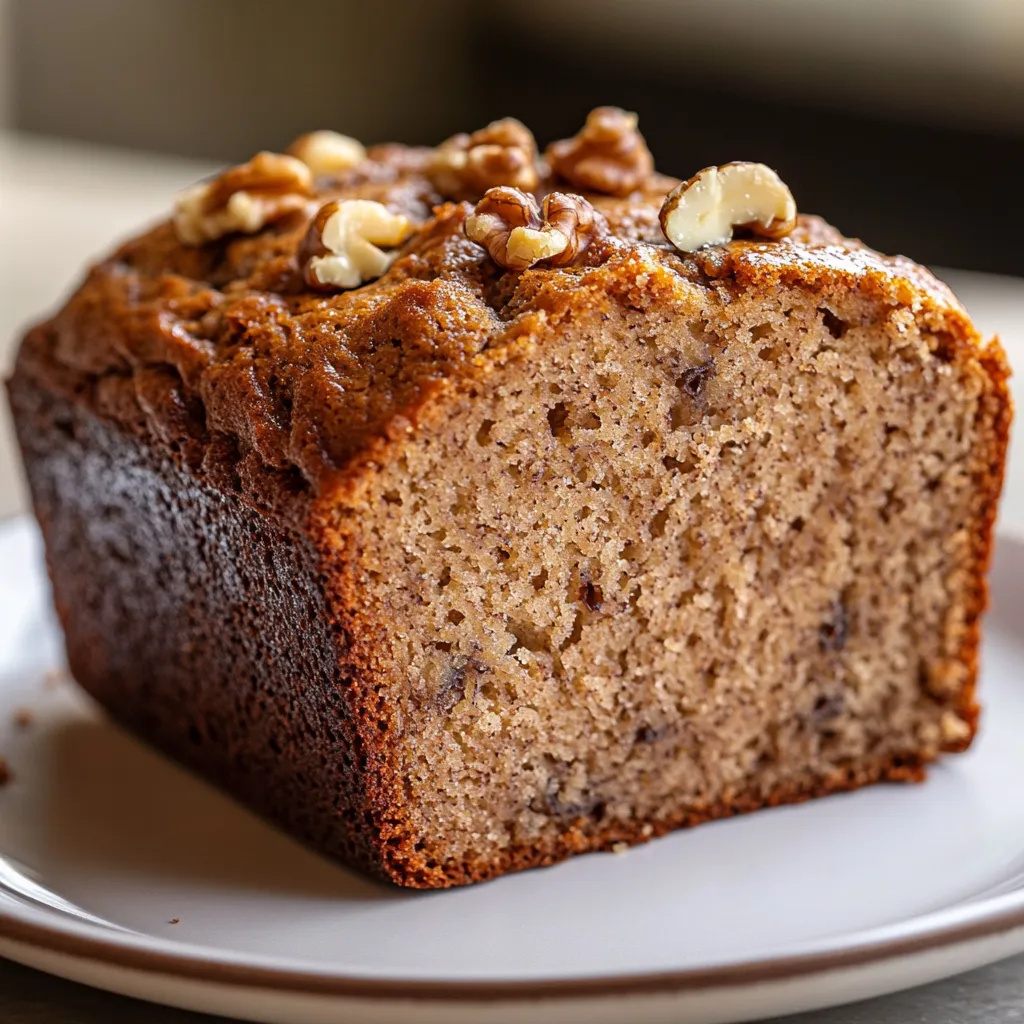
Banana bread is a beloved classic that evokes feelings of warmth and nostalgia in many of us. It’s a reliable, comforting treat that can be enjoyed at any time of day, whether as a breakfast delight, an afternoon snack, or a delightful dessert. The beauty of banana bread lies not only in its sweet flavor but also in the delightful texture that comes from using the ripest bananas. This recipe, One Banana Delight Banana Bread, captures the essence of this classic with its simple yet effective method, resulting in a loaf that is irresistibly moist and aromatic.
When it comes to achieving the best flavor and texture, using very ripe bananas is key. Ripe bananas develop natural sweetness and moisture, transforming the bread into a soft, tender treat. This recipe showcases perfectly mashed bananas that meld beautifully with other ingredients to create a harmony of flavors. With each bite, you’ll experience the warm, comforting qualities of banana bread, making it an essential recipe for anyone who enjoys homemade baked goods.
One Banana Delight Banana Bread combines a delightful mix of ingredients to create a loaf that’s not just sweet, but also rich and satisfying. The addition of optional ingredients like nuts and spices offers an opportunity for personalization, allowing you to adapt the bread to suit your preferences. This flexibility makes it the perfect baking project for both seasoned bakers and those who are new to the kitchen.
Recipe Overview
– Total Time: 1 hour 10 minutes
– Prep Time: 10 minutes
– Bake Time: 50-60 minutes
– Yield/Servings: 1 loaf
– Difficulty: Not specified in the recipe
This banana bread stands out because of its effortless blend of flavors. The use of ripe bananas contributes to a sweet and moist loaf, while the optional chopped walnuts or pecans introduce a delightful crunch. Additionally, the hint of ground cinnamon adds warmth and depth to the overall flavor profile, making it an inviting option any time of the year.
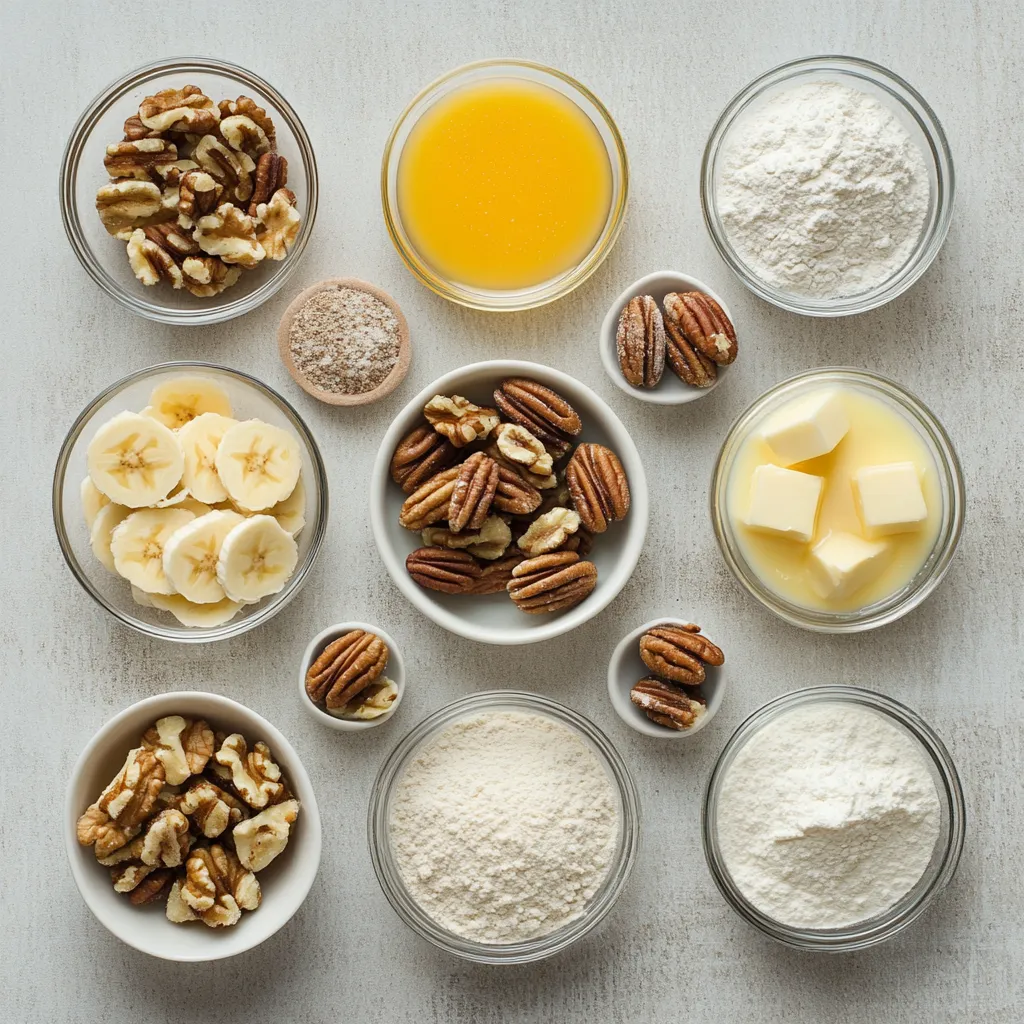
Ingredients
– 1 very ripe banana, thoroughly mashed
– 1/4 cup unsalted butter, melted and slightly cooled
– 1/2 cup granulated sugar
– 1 large egg, beaten until frothy
– 1 teaspoon pure vanilla extract
– 1 teaspoon baking soda
– A pinch of salt
– 1 cup all-purpose flour
– 1/4 cup chopped walnuts or pecans (optional for added crunch)
– 1/4 teaspoon ground cinnamon (optional for warmth)
Each ingredient contributes significantly to the integrity and flavor of the banana bread. The mashed ripe banana not only imparts sweetness but also keeps the bread moist. Unsalted butter adds richness, while granulated sugar enhances the sweetness. The egg helps bind the ingredients together and contributes to the loaf’s fluffy texture. Pure vanilla extract offers a fragrant depth, complementing the banana’s natural flavors.
The dry components, including baking soda, salt, and all-purpose flour, are essential for leavening and structure. For those who wish to elevate their banana bread, the inclusion of optional ingredients such as walnuts or pecans adds crunch and a pleasing texture, while ground cinnamon infuses warmth and spice.
Preparing the Loaf Pan
Preparation of the loaf pan is crucial for successful baking, particularly when it comes to banana bread. Greasing the pan lightly or lining it with parchment paper are both recommended methods to ensure easy removal of the finished loaf. Each technique serves to prevent the bread from sticking, allowing for clean, neat slices when serving.
For greasing, you can use unsalted butter or a baking spray. If you opt to line the pan with parchment paper, be sure to leave some overhang on the sides for easy lifting later. This method not only aids in removal but can also create more visually appealing slices. A well-prepared pan is key to achieving the perfect appearance and texture, making it an essential step in your banana bread-making journey.
The Ripening of Bananas
The ripeness of bananas is paramount in crafting the ideal banana bread, as very ripe bananas bring forth the natural sweetness and moisture that are crucial to the loaf’s success. In general, you will know a banana is ripe when its skin turns from green to a deep yellow with brown speckles. These visual cues indicate that the sugars in the banana have developed, making them soft and sweet—perfect for baking.
If you find yourself in need of ripe bananas but only have firm ones on hand, there are a few methods to ripen them quickly. One popular method is to place the bananas in a brown paper bag, which traps ethylene gas and accelerates the ripening process. Alternatively, you can place unripe bananas in a preheated oven at a low temperature (around 300°F or 150°C) for about 15-20 minutes. Keep an eye on them, as the skins will darken significantly, making them suitable for your banana bread.
Mixing the Ingredients
Combining the ingredients for banana bread is a straightforward process, but attention to detail can greatly influence the final product. Start by mixing the thoroughly mashed bananas with melted butter in a large mixing bowl until smooth and creamy. This integration is vital as it forms the base of the batter, ensuring that the bananas and butter are well-blended.
Following that, the addition of granulated sugar, beaten egg, and pure vanilla extract needs to be incorporated thoroughly. Stirring these components together will create a delightful mixture that encapsulates the flavors of your banana bread.
When it comes time to add the dry ingredients, sprinkle the baking soda and a pinch of salt over the banana mixture. Mixing these dry elements evenly is crucial for achieving an even rise in your bread. Finally, gently incorporate the all-purpose flour until just combined, taking care not to overmix, as that can lead to a dense loaf. The process of mixing should feel intuitive, focusing on creating a unified batter while maintaining the integrity of the tender crumb that banana bread is known for.
Achieving the Perfect Batter
Creating the perfect banana bread batter hinges on how you handle the dry ingredients. When it comes time to sprinkle the baking soda and salt into the banana mixture, it’s important to distribute these evenly. This technique prevents any clumping, ensuring that the baking soda activates uniformly throughout the batter when the bread is baked.
Gently folding in all-purpose flour is another crucial step that requires a gentle touch. Employing a spatula or wooden spoon, combine the flour with the wet ingredients by scraping the edges of the bowl and carefully folding towards the center. The goal here is to incorporate the flour without overmixing, which can lead to a tough loaf; a few lumps are perfectly acceptable. This gentle folding technique is key to preserving the lightness and tenderness of the final bread, resulting in a delicious, enjoyable treat.
Recognizing the Signs of Overmixing and Its Effects on Texture
Overmixing the banana bread batter can lead to a dense, tough loaf that lacks the tender crumb we desire. This happens because excessive mixing activates the gluten in the flour, creating a chewier texture instead of a soft, fluffy one. A good indicator of overmixing is a batter that has become overly elastic or gummy. When combining the dry ingredients with the wet, stop mixing as soon as you no longer see streaks of flour. A few lumps are perfectly acceptable; they will disappear during baking and help maintain the desired airy structure.
Incorporating Optional Ingredients
Details on the Flavor Enhancements from Walnuts or Pecans
Adding chopped walnuts or pecans introduces a delightful crunch to the banana bread, balancing the soft, moist loaf with a textural contrast. Nuts also contribute a nutty flavor that complements the sweetness of the banana, enhancing the overall taste profile. If you decide to include nuts, roughly chop them to ensure they distribute evenly throughout the batter.
Explanation of the Role of Cinnamon in Adding Warmth
Ground cinnamon is an optional ingredient that can infuse the banana bread with aromatic warmth, elevating its flavor and creating a cozy, inviting scent while baking. Cinnamon not only adds a sweet-spicy note that pairs beautifully with bananas but also has numerous health benefits, including anti-inflammatory properties and antioxidants. Use freshly ground cinnamon if possible, as it has a more potent flavor and aroma compared to pre-ground varieties.
Suggested Substitutes for People with Nut Allergies
For those with nut allergies, it’s advisable to omit walnuts or pecans entirely from the recipe. Alternatively, you could use seeds such as sunflower or pumpkin seeds to provide similar crunch and nutritional value without the allergens. If you prefer a nut-free loaf, consider adding chocolate chips or dried fruit, such as raisins or cranberries, which will also contribute sweetness and texture.
Baking Process
Insights into Preheating the Oven Correctly
Preheating the oven is a crucial step in baking banana bread as it ensures even cooking throughout the loaf. Set the oven temperature to 350°F (175°C) and allow it to heat for at least 15 minutes before placing the batter inside. You can use an oven thermometer to verify the accuracy of your oven temperature, as inconsistencies can affect the rise and texture of the bread.
Expected Smells and Indicators of Doneness During Baking
As the banana bread bakes, you can expect to smell a warm, sweet aroma wafting through your kitchen. This enticing scent is a good indicator that the sugars and bananas are caramelizing, adding to the flavor. To test for doneness, gently press the top of the loaf; it should spring back lightly when fully baked. Additionally, a toothpick inserted into the center should come out clean or with just a few moist crumbs attached, but not wet batter.
Understanding the Baking Time and Factors That May Affect It
Baking time for banana bread typically ranges from 50 to 60 minutes, but several factors can influence this. Oven types can vary in how they distribute heat, and high altitudes may require adjustments to cooking times and temperatures due to lower atmospheric pressure. Keep a close eye on the bread in the last few minutes of baking, and feel free to rotate the pan halfway through for even cooking if needed.
Cooling the Banana Bread
Recommended Cooling Techniques for Best Results
After removing the banana bread from the oven, let it cool in its pan for about 10 minutes. This allows it to set, making it easier to transfer to a wire rack without falling apart. If using a parchment-lined pan, you can gently lift the loaf out by the edges of the paper to cool it.
Reasons for Letting the Bread Cool in the Pan Initially
Cooling in the pan creates a barrier that helps retain moisture, preventing the bread from becoming dry. It also allows the residual heat to help cook the loaf further in those initial moments, which can improve its final texture.
How Long to Wait Before Slicing the Bread for Optimal Texture
Patience is key when it comes to slicing your banana bread. Allow the bread to cool on the wire rack for at least 30 minutes to an hour before cutting. Slicing too soon can lead to a gummy interior and may cause the loaf to fall apart.
Presentation Tips
Creative Serving Suggestions for a Delightful Presentation
Banana bread can be served warm or at room temperature, depending on your preference. For an elegant touch, slice the bread and arrange it on a decorative platter. This bread can also be toasted lightly before serving, providing a delightful contrast of warm outside and soft inside.
Ideas for Garnishing with Cream Cheese, Butter, and Nuts
For an enhanced experience, consider spreading a layer of cream cheese or softened butter on warm slices. A light sprinkle of cinnamon or a few extra walnuts added on top can elevate the presentation and add extra flavor. A drizzle of honey or maple syrup can also create a sweet finish.
Suggestions for Pairing with Beverages for an Enhanced Experience
Banana bread pairs wonderfully with beverages like a freshly brewed cup of coffee or a calming herbal tea. The rich, slight sweetness of the bread complements the robust flavors of coffee, while tea provides a refreshing contrast.
Variations and Adaptations
Exploring Alternate Flavor Variations
Feel free to customize your banana bread by adding other flavors. For a chocolate twist, incorporate cocoa powder or chocolate chips. You can also consider adding more spices like nutmeg or ginger for a different take, as both pair well with banana’s natural sweetness.
Suggestions for Dietary Adaptations
Making your banana bread gluten-free can easily be achieved by using a gluten-free flour blend that’s suited for baking. If you want a vegan version, replace the egg with a flax or chia egg (1 tablespoon of ground flaxseed or chia seeds mixed with 3 tablespoons of water), and use a plant-based butter substitute.
Seasonal Twists to Enjoy the Recipe Year-Round
Incorporate seasonal ingredients to give your banana bread a fresh twist. In the fall, consider adding chopped apples or pumpkin puree for a seasonal flair. In the summer, try tossing in berries like blueberries or strawberries, which can contrast nicely with the banana base.
Storing and Reheating
Best Practices for Storing Banana Bread to Maintain Freshness
To keep your banana bread fresh, wrap it in plastic wrap or aluminum foil once it has completely cooled to retain moisture. Alternatively, store it in an airtight container at room temperature for up to four days or in the refrigerator for about a week.
Techniques for Freezing Leftover Slices for Later Enjoyment
For longer storage, freeze individual slices by wrapping them tightly in plastic wrap, then placing them in a resealable freezer bag. Properly stored, banana bread can be frozen for up to three months. To enjoy, thaw slices in the refrigerator overnight or at room temperature for a couple of hours.
How to Properly Reheat Banana Bread for Serving
To reheat banana bread, slice what you need and place it in the toaster or an oven at 350°F (175°C) for about 10 minutes. This will revive the bread’s moist texture and enhance its flavors, allowing you to enjoy it as if it were freshly baked.
Conclusion
One Banana Delight Banana Bread offers a delightful balance of sweetness and moisture, enriched with optional nuts and spices. With a quick preparation time and an inviting aroma that fills the kitchen during baking, this recipe is sure to be a favorite for any occasion. Enjoy the light, tender texture that makes each slice a comfort treat.
One Banana Delight Banana Bread Recipe
Ingredients
- 1 very ripe banana thoroughly mashed
- ¼ cup unsalted butter melted and slightly cooled
- ½ cup granulated sugar
- 1 large egg beaten until frothy
- 1 teaspoon pure vanilla extract
- 1 teaspoon baking soda
- a pinch salt
- 1 cup all-purpose flour
- ¼ cup chopped walnuts or pecans optional
- ¼ teaspoon ground cinnamon optional
Instructions
-
Preheat your oven to 350°F (175°C) and prepare a small loaf pan.
-
In a large mixing bowl, combine the mashed banana with the melted butter until smooth.
-
Add the granulated sugar, beaten egg, and vanilla extract, stirring until well blended.
-
Sprinkle the baking soda and salt over the mixture and mix again.
-
Gradually fold in the all-purpose flour until just combined.
-
If desired, fold in the chopped nuts and ground cinnamon.
-
Pour the batter into the greased loaf pan and smooth the top.
-
Bake for 50-60 minutes, or until a toothpick comes out clean.
-
Allow to cool in the pan for 10 minutes before transferring to a wire rack.