
Introduction
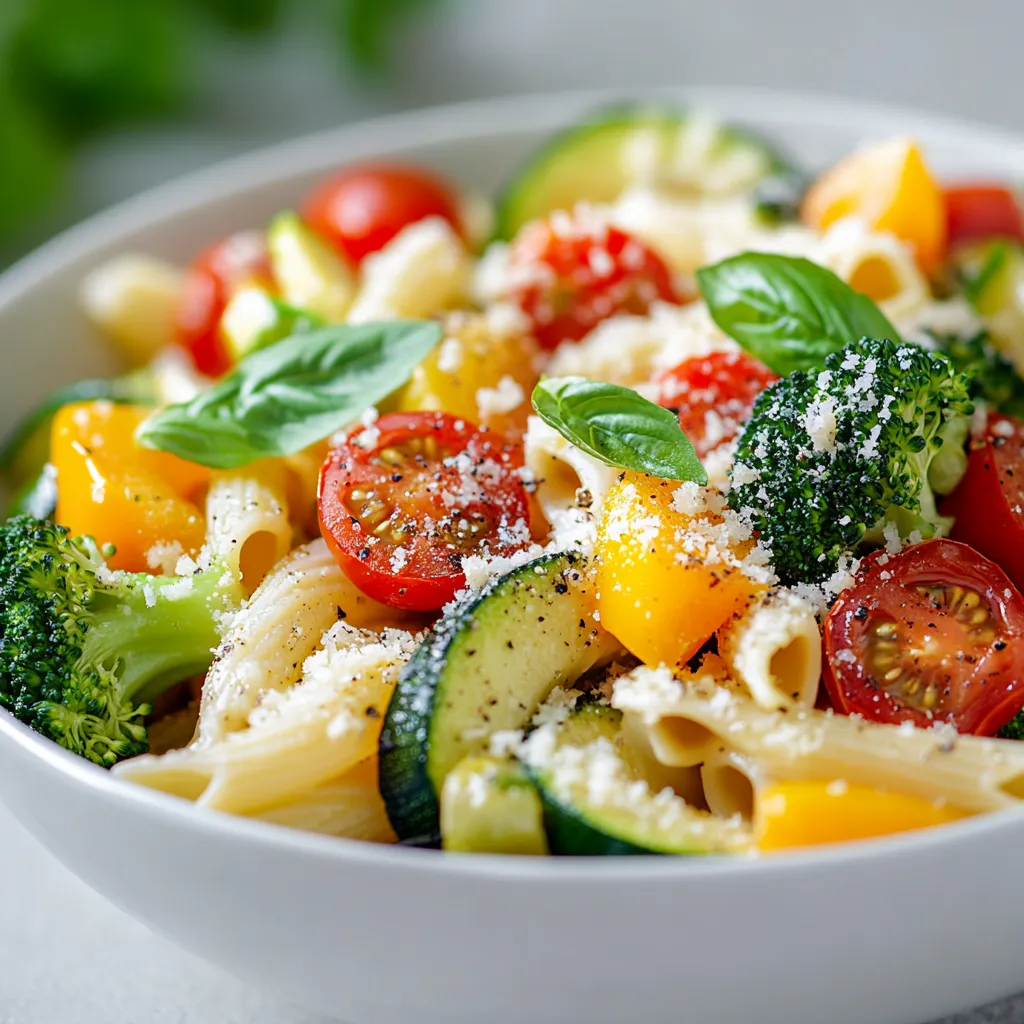
Pasta Primavera is a delightful and wholesome dish that showcases the vibrancy of seasonal vegetables, making it a favorite among health-conscious food lovers. With its colorful array of fresh ingredients tossed with pasta, this dish not only pleases the palate but also provides a nutrient-rich meal full of flavor. The medley of bell peppers, zucchini, cherry tomatoes, and broccoli adds both taste and texture, making each bite a celebration of freshness.
Seasonal vegetables play a critical role in traditional pasta primavera, ensuring that every plate bursts with flavor and vitality. This dish celebrates the variety found in markets, allowing for customization based on what’s currently available. Whether you are serving it during a casual weeknight dinner or at a more festive gathering, Pasta Primavera caters to various dietary preferences, including vegetarian diets, which adds to its universal appeal.
The flexibility of Pasta Primavera allows it to be easily adapted for different tastes and occasions. From adding protein like grilled chicken or shrimp to keeping it entirely plant-based, this recipe serves as a solid foundation for any culinary creativity. Whichever way you choose to serve it, one element remains essential—it’s a straightforward dish that can easily be put together in a short amount of time.
Recipe Overview
– Total Time: 30 minutes
– Prep Time: 10 minutes
– Servings: 4
– Difficulty: Not specified in the recipe.
Pasta Primavera is not just a feast for the eyes but also an embodiment of simplicity and ease in cooking. It is perfect for a family dinner or for impressing guests with its vibrant presentation. The combination of pasta with seasonal vegetables makes it a versatile dish that can be enjoyed year-round.
Ingredients
– 8 oz (225g) pasta (penne or fettuccine recommended)
– 2 tablespoons extra virgin olive oil
– 1 medium onion, thinly sliced
– 2 cloves garlic, finely minced
– 1 cup assorted bell peppers (red, yellow, green), sliced into strips
– 1 cup zucchini, cut into half-moons
– 1 cup cherry tomatoes, halved
– 1 cup broccoli florets
– 1 teaspoon dried oregano
– 1 teaspoon dried basil
– Salt and freshly ground black pepper to taste
– ½ cup grated Parmesan cheese (optional)
– Fresh basil leaves for garnish
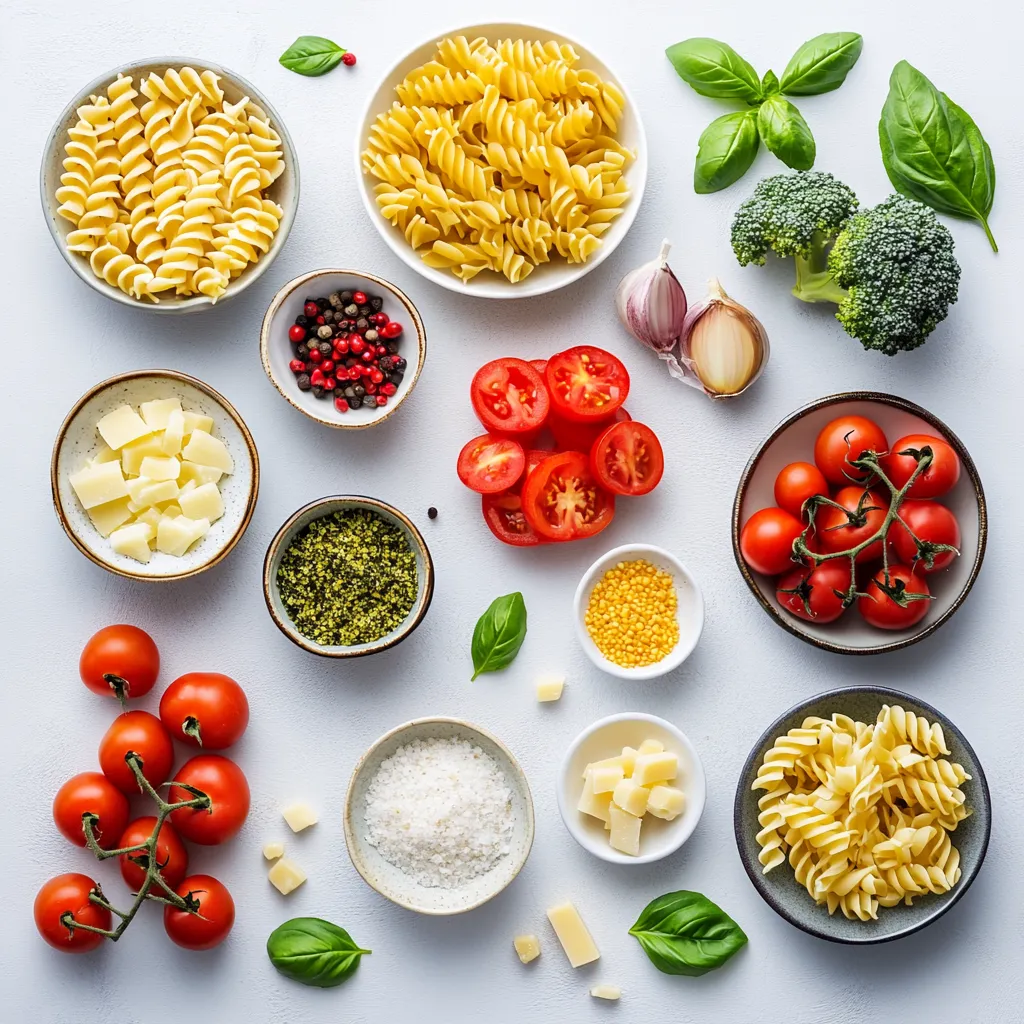
The foundation of this recipe consists of fresh, wholesome ingredients, each contributing to the overall flavor profile. The optional addition of grated Parmesan cheese can enhance the dish’s richness, while fresh basil leaves provide a beautifully fragrant garnish.
Instructions
1. Cook the Pasta: In a large pot, bring salted water to a rolling boil. Add the pasta and cook according to the package directions until al dente. Drain the pasta, reserving about ½ cup of the starchy cooking water, and set aside.
2. Sauté the Aromatics: In a large skillet, heat the extra virgin olive oil over medium heat. Once hot, add the sliced onion and minced garlic. Sauté for about 2-3 minutes until the onion becomes translucent and the garlic is fragrant.
3. Add the Colorful Veggies: Stir in the sliced bell peppers and zucchini. Continue to cook for an additional 4-5 minutes, stirring frequently, until the vegetables begin to soften but still retain some crunch.
4. Incorporate Broccoli and Tomatoes: Add the broccoli florets and halved cherry tomatoes to the skillet. Season with dried oregano, dried basil, salt, and freshly ground black pepper. Cook for an additional 5-6 minutes, stirring occasionally, until all vegetables are tender yet vibrant in color.
5. Combine with Pasta: Add the drained pasta to the skillet, tossing it with the sautéed vegetables. Gradually add a splash of the reserved pasta water to create a light sauce that coats the pasta. Cook for another 2-3 minutes to ensure everything is heated through and well combined.
6. Serve and Garnish: Remove the skillet from heat. If desired, sprinkle the dish with grated Parmesan cheese for added flavor. Garnish with fresh basil leaves before serving for a burst of color and freshness. Enjoy your delightful and nutritious Pasta Primavera!
Cooking the Pasta to Perfection
Cooking pasta to al dente is essential for achieving the perfect texture in Pasta Primavera. Al dente refers to pasta that is firm to the bite, which not only enhances the eating experience but also prevents it from becoming mushy as it is tossed with vegetables. To cook pasta correctly, start by bringing a large pot of water to a rolling boil, ensuring to liberally salt the water before adding the pasta. This step is important as it infuses the pasta with flavor during cooking.
Follow the package directions for cooking times but begin checking for doneness one to two minutes before the suggested time. Once the pasta is al dente, drain it in a colander, but remember to reserve some of the starchy cooking water. This liquid is valuable for creating a cohesive sauce that clings to the pasta while adding a bit of richness to the dish.
Sautéing the Aromatics
The sautéing of onions and garlic is a crucial step that builds the dish’s flavor base. Starting with medium heat is essential; this allows for the onions to soften and the garlic to release its fragrant oils without burning. The key is to watch the garlic closely—it can go from perfect to burnt in a matter of seconds. Typically, sautéing for about 2-3 minutes should be sufficient, but adjusting the cooking time can depend on your stove’s heat output.
To ensure the perfect sauté, begin by adding the onions to the hot oil first; they require a bit more time to soften before introducing the garlic, which cooks much faster. Once the onions are translucent, add the garlic for just a minute more, enough to make it fragrant but not darken in color. This aromatic mixture serves as the flavor anchor for the vibrant vegetables to follow.
Adding the Colorful Veggies
Freshness and variety in vegetables are paramount in Pasta Primavera. The choice of seasonal and colorful vegetables is not only visually appealing but also adds layers of flavor and nutrients. When cutting bell peppers and zucchini, aim for uniform sizes—strips for bell peppers and half-moons for zucchini—this ensures that all pieces cook evenly, retaining their crispness as they blend with the pasta.
Timing is vital when adding the vegetables to the skillet. Start with the more robust vegetables that take longer to soften, like bell peppers and zucchini. Cooking them for 4-5 minutes allows them to soften while still maintaining some crunch, providing a delightful contrast to the tender pasta. Each vegetable’s unique flavor contributes wonderfully to the overall profile of the dish, celebrating the bounty of what each season offers.
Ideal Cooking Time for Retaining the Vibrant Colors of the Vegetables
Cooking vegetables to maintain their vibrant colors in Pasta Primavera requires precise timing. Typically, for each vegetable added to the dish, cooking times should be monitored closely. The onions and garlic should be sautéed until they are translucent and fragrant, which takes about 2-3 minutes.
For bell peppers and zucchini, aim for about 4-5 minutes to soften just slightly while still retaining a crisp texture and bright colors. When adding broccoli and cherry tomatoes, a further 5-6 minutes of cooking is ideal to create a tender consistency without losing the veggies’ vibrant hues. This careful attention to timing ensures the final dish remains visually appealing.
Seasoning the Dish
Overview of Herbs Used
The flavor profile of Pasta Primavera is significantly enriched by the herbs oregano and basil. Oregano provides earthy, warm undertones while basil adds a fresh and slightly sweet flavor. Using dried herbs in this recipe guarantees their bold flavors are evenly distributed throughout the dish, as they rehydrate during cooking.
Recommendations for Adjusting Seasoning to Taste
Adjusting seasoning to your palate can enhance the overall flavor experience. Start with the recommended amounts of salt, pepper, oregano, and basil, then taste your dish before serving. If a more robust flavor is desired, feel free to add additional herbs or seasoning in small increments. Freshly cracked black pepper often can also be adjusted to meet your spice preference.
The Impact of Salt and Pepper on Enhancing Flavors
Salt not only adds flavor but also enhances the natural taste of the vegetables. It’s essential to salt the water when cooking pasta, as well as season the sautéed vegetables to draw out moisture, intensifying their flavors. Freshly ground black pepper enhances the earthy notes and adds a mild heat, rounding out the flavor profile beautifully.
Combining Ingredients
Techniques for Effectively Mixing Pasta with Sautéed Vegetables
When combining the pasta with the sautéed vegetables, use a gentle tossing technique. This ensures you do not break the pasta while allowing the vegetables to intermingly well. Using a pair of tongs can help in achieving a delicate lift and turn motion, ensuring every piece of pasta is coated evenly with the vegetables.
Importance of Reserved Pasta Water in Creating a Sauce
The reserved pasta water, rich in starch from the cooked pasta, works as an effective emulsifier. Adding a small splash can help form a light sauce that clings to the pasta and contributes to a silky texture. It also aids in marrying the flavors of the pasta with the sautéed ingredients.
Steps for Ensuring Even Distribution of Flavors Throughout the Dish
For optimal flavor distribution, after adding the pasta to the skillet, let it sit for a moment before tossing. This brief resting helps to absorb moisture and flavor. Toss gently and ensure that each piece of pasta and vegetable is well-acquainted, which enhances the overall unity of the dish.
Serving Suggestions
Best Practices for Plating Pasta Primavera
When plating Pasta Primavera, utilize shallow bowls or pasta dishes to provide an inviting presentation. Spoon a generous amount of the pasta mixture into the center, creating a small mound to give height to the dish. This helps to draw the eye and creates a professional look as seen in restaurants.
Presentation Tips to Enhance Visual Appeal
To create an attractive presentation, consider drizzling with a little extra olive oil right before serving, which adds both shine and flavor. An additional sprinkle of grated Parmesan can contrast nicely against the bright colors of the vegetables.
Suggestions for Garnishing for Added Freshness and Taste
Fresh basil leaves make a delightful garnish, providing aroma and vibrant color. For additional zing, a light squeeze of lemon juice over the top just before serving can enhance all the existing flavors while adding a refreshing brightness.
Customizing Your Pasta Primavera
Ideas for Additional Vegetables to Incorporate
Feel free to play with seasonal vegetables or personal favorites. Options like asparagus, carrots, or snap peas can be excellent additions. Just remember to monitor their respective cooking times and add them accordingly to ensure they reach the desired tenderness without becoming mushy.
Options for Protein Additions Such as Chicken or Shrimp
For those looking to include protein, grilled chicken or sautéed shrimp can be excellent pairings. Add these after sautéing the vegetables to ensure they are cooked through without compromising the dish’s flavor profile.
Vegan Alternatives for Cheese and How to Maintain Flavor
To make the dish vegan while maintaining flavor, consider sprinkling nutritional yeast as a cheese substitute, which offers a similar umami taste. Additionally, using a blend of cashew cream or almond cheese can provide a creamy texture while keeping the dish plant-based.
Storing and Reheating Leftovers
Best Practices for Storing Pasta Primavera in the Refrigerator
Store leftover Pasta Primavera in an airtight container. It is best consumed within 3-4 days. When refrigerating, consider that the vegetables may continue to lose their texture over time, so it’s optimal to consume them while fresh.
Tips for Reheating While Preserving Texture and Flavor Integrity
To reheat, use a skillet over medium heat with a splash of olive oil or water to prevent sticking. Heat gently, stirring occasionally until warmed through. Alternatively, a microwave can be used, but be sure to do so in short intervals to prevent overcooking.
Options for Repurposing Leftovers in New Dishes
Leftover Pasta Primavera can be transformed into a delightful frittata or mixed into a salad for a cold dish. Tossing with some grains can also add variety, creating a wonderful side dish or lunch option.
Health Benefits of Pasta Primavera
Overview of Calories and Nutritional Content Per Serving
Pasta Primavera is a nutritious option, loaded with vegetables that bring a host of vitamins and minerals to the plate. Each serving typically contains around 400-500 calories, depending on added ingredients like Parmesan cheese.
Analysis of the Health Benefits Associated with the Main Ingredients
The multitude of colorful vegetables is high in dietary fiber, vitamins A, C, and K, and various antioxidants, all essential for a healthy diet. Whole grain pasta, if chosen, adds extra fiber and nutrients, making this dish not only flavorful but also nourishing.
Overview of the Dish’s Vegetarian and Potentially Vegan Properties
Pasta Primavera is naturally vegetarian and can easily be made vegan by omitting the cheese, making it inclusive for various dietary preferences.
Conclusion
Pasta Primavera offers a delightful balance of flavors and textures, making it an enticing choice for any meal. With its vibrant vegetables and optional cheese, the dish is both nutritious and visually appealing. The total preparation and cooking time of about 30 minutes ensures that it can easily fit into a busy schedule.
Vibrant and Wholesome Pasta Primavera for Everyone
Ingredients
- 8 oz pasta penne or fettuccine
- 2 tablespoons extra virgin olive oil
- 1 medium onion thinly sliced
- 2 cloves garlic finely minced
- 1 cup assorted bell peppers sliced into strips
- 1 cup zucchini cut into half-moons
- 1 cup cherry tomatoes halved
- 1 cup broccoli florets
- 1 teaspoon dried oregano
- 1 teaspoon dried basil
- Salt and freshly ground black pepper to taste
- ½ cup grated Parmesan cheese optional
- Fresh basil leaves for garnish
Instructions
-
In a large pot, bring salted water to a rolling boil and cook the pasta until al dente.
-
Drain the pasta, reserving about ½ cup of the starchy cooking water.
-
In a large skillet, heat the olive oil over medium heat and sauté the onion and garlic until translucent.
-
Add the bell peppers and zucchini, cooking until they begin to soften.
-
Stir in the broccoli and cherry tomatoes, seasoning with oregano, basil, salt, and pepper.
-
Cook until all vegetables are tender yet vibrant in color.
-
Add the drained pasta to the skillet and toss with the sautéed vegetables.
-
Gradually add reserved pasta water to create a light sauce.
-
Cook for another 2-3 minutes to heat through and combine flavors.
-
Serve garnished with Parmesan cheese and fresh basil leaves.