

Introduction
Delightful sugar cookies topped with creamy buttercream frosting are a quintessential American dessert that never fails to please. These cookies are soft, sweet, and provide a comforting bite that evokes nostalgia for childhood baking days or festive gatherings. Whether for a special occasion, like birthday parties or holiday celebrations, or just a sweet treat for yourself, these cookies are designed to be loved by all ages. The combination of the tender cookie base and the luscious frosting is a match made in dessert heaven, creating a tasty experience that can brighten any day.
In this article, we will take you through the step-by-step process for creating these charming cookies, carefully exploring the ingredients and techniques that contribute to their delightful taste and texture. From mixing the dough to whipping up the frosting, you’ll get all the insights needed to ensure your sugar cookies are a hit every time.
Recipe Overview
– Prep Time: 20 minutes
– Cook Time: 10 minutes
– Total Time: 30 minutes
– Course: Dessert
– Cuisine: American
– Servings: 24 cookies
– Calories: Approximately 150 per cookie
Ingredients
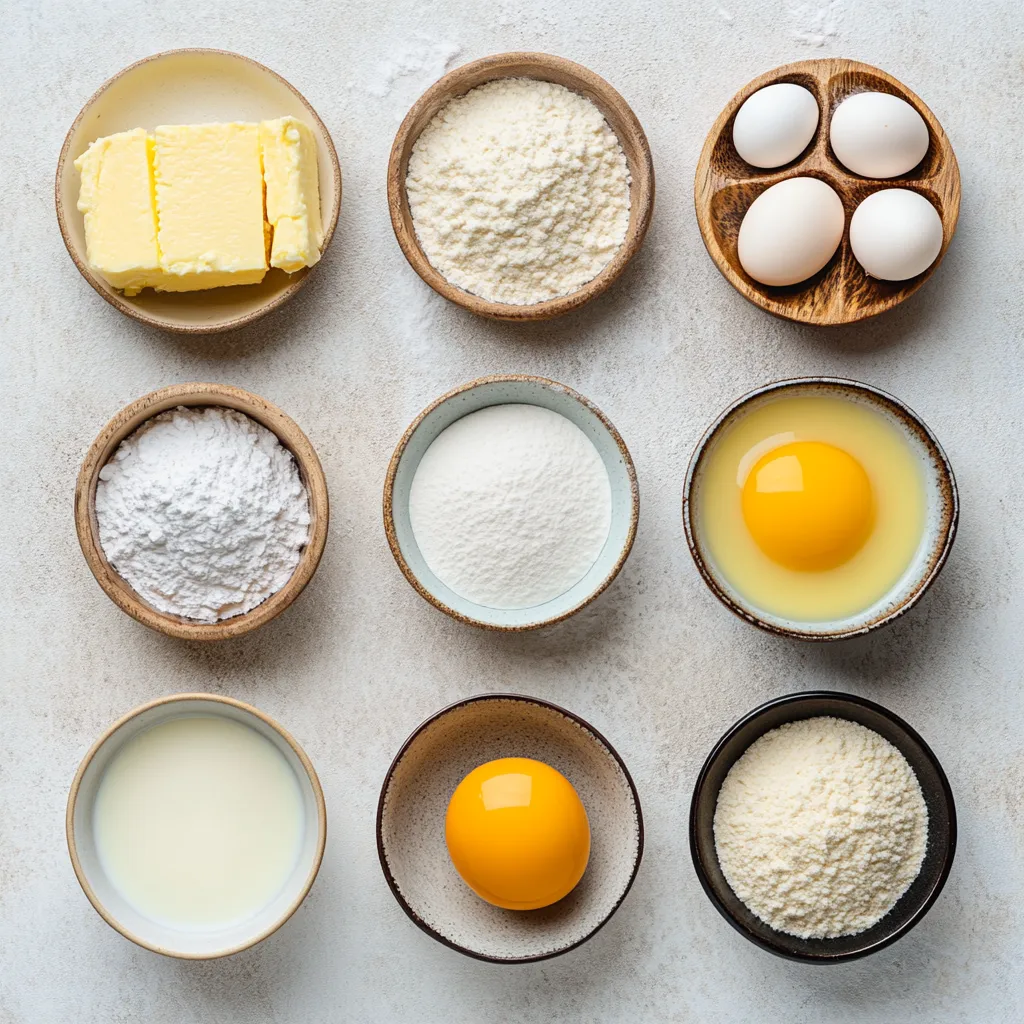
To create the best sugar cookies with a rich buttercream frosting, you’ll need the following ingredients:
– 2 3/4 cups all-purpose flour
– 1 teaspoon baking soda
– 1/2 teaspoon baking powder
– 1 cup unsalted butter, softened to room temperature
– 1 1/2 cups granulated sugar
– 1 large egg
– 1 teaspoon pure vanilla extract
– 1/2 teaspoon almond extract
– 3 cups powdered sugar
– 1/4 cup milk (adjust for desired consistency)
– Food coloring (optional for vibrant frosting)
Instructions
Follow these detailed steps to bake your sugar cookies and prepare the delicious buttercream frosting:
1. Begin by preheating your oven to 375°F (190°C). Prepare your baking sheets by lining them with parchment paper to prevent sticking.
2. In a medium bowl, combine the all-purpose flour, baking soda, and baking powder. Whisk them together thoroughly and set this mixture aside for later use.
3. In a large mixing bowl, beat the softened butter and granulated sugar together using an electric mixer on medium speed until the mixture is light and fluffy, approximately 2-3 minutes.
4. Add the egg, vanilla extract, and almond extract to the butter-sugar mixture. Continue to beat until all ingredients are well incorporated and the mixture is smooth.
5. Gradually add the flour mixture to the wet ingredients, mixing on low speed just until combined. Be careful not to overmix; a few flour streaks are okay.
6. Scoop rounded teaspoonfuls of dough and roll them into balls. Place the dough balls on the prepared baking sheets, ensuring they are spaced about 2 inches apart for even baking.
7. Gently flatten each dough ball using the bottom of a glass or your palm, creating a slightly thicker disc.
8. Bake in the preheated oven for 8 to 10 minutes, or until the edges are just lightly golden. Once baked, allow the cookies to cool on the baking sheets for a few minutes before transferring them to a wire rack to cool completely.
9. While the cookies cool, prepare the buttercream frosting. In a separate bowl, beat together the powdered sugar and milk until smooth. If desired, add a few drops of food coloring to achieve your preferred shade, mixing until evenly incorporated.
10. Once the cookies are completely cooled, generously spread the creamy buttercream frosting on top of each cookie, creating a lovely, inviting layer.
11. Serve and enjoy your delectable sugar cookies adorned with luscious buttercream frosting!
Preparing the Workspace
Creating a conducive baking environment can enhance the overall experience of making sugar cookies. A well-organized kitchen allows for more efficient baking and less stress.
Prepping the Oven
Before you even begin assembling your ingredients, it’s crucial to preheat your oven to 375°F (190°C). Preheating ensures that your cookies cook evenly right from the start, allowing them to rise beautifully and develop a golden edge. If you skip this step, your cookies may not bake properly, leading to a chewy texture instead of the desired soft and fluffy finish.
Line the Baking Sheets
Lining your baking sheets with parchment paper is an essential step for hassle-free baking. It not only prevents the cookies from sticking but also makes cleaning up a breeze. Parchment paper creates a non-stick surface, allowing your cookies to slide off easily once baked. This simple addition to your prep can significantly enhance your baking experience.
Mixing the Dry Ingredients
Incorporating dry ingredients correctly is crucial for the cookie texture, as they play a significant role in the final product.
Measuring Flour, Baking Soda, and Baking Powder
When measuring flour, it’s essential to use the right technique to avoid compacting the flour, which could lead to dry cookies. Spoon the flour into your measuring cup, then level it off with a straight edge. Baking soda and baking powder should also be measured carefully as they are vital for providing the necessary leavening to give the sugar cookies a soft, airy texture.
Whisking Techniques
After measuring, whisking together the dry ingredients—flour, baking soda, and baking powder—helps to aerate the mixture and ensures even distribution. A good whisking technique involves using a gentle yet thorough motion to combine the ingredients. This step is particularly important as it prevents clumping and guarantees that each cookie has a consistent rise and flavor.
Creaming Butter and Sugar
The creaming method is fundamental to achieving the perfect cookie base. It creates a light and airy texture within the cookies while enhancing the overall flavor.
Importance of Softened Butter
Using softened butter instead of cold butter is crucial in the creaming process. When softened, butter can trap air, which contributes to the fluffiness of the cookie. This process is important because it allows the granulated sugar to dissolve and blend into the fat more fully, providing a smooth and creamy consistency that leads to better cookies.
Mixing Techniques
To cream butter and sugar effectively, an electric mixer is highly recommended. Mix on medium speed for about 2-3 minutes until the mixture is light, fluffy, and pale in color. This process transforms the mixture, making it the perfect base for adding the remaining ingredients. Be careful not to overdo this step; you want the butter and sugar well combined but not overly whipped, which could affect the final texture of your cookies.
The combination of these methods and ingredients results in delightful sugar cookies that, when frosted with creamy buttercream, become an irresistible treat for any occasion.
Incorporating Wet Ingredients
Understanding how to add eggs and extracts can enhance the flavor profile of your sugar cookies. The balance of these elements is essential for achieving the perfect texture and rich taste.
Adding Egg
The addition of a large egg serves a dual purpose in cookie making: it binds the ingredients together and adds moisture, which is critical for the cookie’s chewy texture. When you beat the egg into the butter-sugar mixture, its proteins help create a structure that supports the cookie while baking. This structure is essential in holding the cookies together and gives them a delightful bite.
To ensure proper incorporation, make sure the egg is at room temperature before mixing. This warmth helps emulsify the fat from the butter and the liquids in the egg, resulting in a uniform dough.
Flavoring with Extracts
The inclusion of pure vanilla extract and almond extract contributes layers of flavor that elevate the overall taste of the cookies. Vanilla extract is a classic flavor; it tends to mellow and enrich the sweetness, creating a warm base note. On the other hand, almond extract provides a distinct nuttiness that pairs wonderfully with sugar cookies, making them more aromatic and flavorful.
Using pure extracts instead of imitation varieties is advisable for the best results. Pure extracts tend to have richer flavor profiles, which can significantly impact the finished cookie’s experience.
Combining Wet and Dry Ingredients
The key to a smooth cookie dough lies in how the wet and dry ingredients are brought together. This process must be done with care to avoid overmixing, which can lead to tough cookies.
Gradual Mixing Techniques
When it comes to adding the flour mixture to the butter-sugar mixture, gradual incorporation is the best practice. Start mixing on a low speed to help incorporate the flour without causing it to fly out of the bowl. As you add the flour mixture, do so in increments, allowing the wet ingredients to absorb the flour fully before adding more. This method not only helps prevent overmixing but also ensures that all components blend seamlessly, resulting in a light and airy dough.
Recognizing the Right Dough Consistency
The perfect cookie dough should be slightly sticky but manageable. You want a texture that holds together well but is not overly wet. Look for a consistency that holds its shape when scooped and easy to roll into balls. The dough should also be pliable, which allows for even baking and ideal spreading during the baking process.
Forming the Cookie Dough
How you shape and prepare the dough balls is integral to achieving the right cookie size and ensuring even baking results.
Rolling the Dough Balls
Begin by using a rounded teaspoon to scoop the dough. Roll it into a ball between your palms gently. Each dough ball should be about 1 inch in diameter, which will yield approximately 24 cookies when using the given recipe proportions. Make sure not to compact the dough too much while rolling to keep the cookies light and soft.
Spacing Considerations
Placing the dough balls on the baking sheet with adequate spacing is crucial for even baking. Ensure the balls are spaced about 2 inches apart to allow for expansion as they bake. This space helps maintain their shape and prevents them from merging into each other, which would create an uneven texture.
Baking the Cookies
The baking process is central to achieving the desired quality and texture of your sugar cookies. Proper temperature and timing are vital for success.
Baking Time and Temperature
Setting your oven to 375°F (190°C) is essential for optimal baking. Baking the cookies for 8 to 10 minutes will produce cookies that are just lightly golden around the edges, indicating they are perfectly baked. It’s important to keep an eye on them during the last few minutes of baking, as oven temperatures can vary widely, which may affect the baking time. When they are slightly firm to the touch but remain soft in the center, they are ready to come out of the oven.
Cooling Process
Once baked, allow the cookies to cool on the baking sheets for a few minutes. This step is critical, as it enables the cookies to set properly and makes them easier to transfer without breaking. After a few minutes, transfer the cookies to a wire rack to cool completely. Cooling them on a rack helps circulate air, reducing steam and preventing sogginess. Complete cooling is vital before adding frosting to ensure it doesn’t melt when applied.
Preparing the Buttercream Frosting
Creating the ideal buttercream frosting is key to complementing the cookies spectacularly. The frosting should be smooth, creamy, and easy to spread.
Mixing Instructions
To prepare your frosting, begin by sifting the powdered sugar into a bowl to avoid lumps. Then, combine it with milk using an electric mixer, starting on a low speed to prevent a cloud of sugar. Gradually increase the speed as the sugar begins to incorporate with the milk. The goal is a creamy, smooth texture that holds its shape but is spreadable, making it easy to apply onto the cooled cookies.
Adding Food Coloring
If you wish to add a pop of color to your frosting, now is the time to incorporate food coloring. Add a few drops into the frosting mixture, mixing thoroughly until the desired shade is achieved. This step is completely optional but can greatly enhance the visual appeal of your cookies, especially for festive occasions.
Frosting the Cookies
The final step is where the cookies truly come to life, transforming them into delightful treats.
Frosting Techniques
Using a spatula or offset knife, spread the buttercream frosting generously over each cookie. Aim for an even layer that reaches the edges of the cookie, creating a smooth and appealing appearance. If you prefer a more decorative style, consider piping the frosting in swirls or designs, which can add a personal touch to each cookie.
Creative Decorating Ideas
Once frosted, consider adding some festive decorations. Colorful sprinkles or edible glitter will enhance the cookies and make them visually striking. This not only adds to the aesthetic but also brings an extra layer of sweetness and crunch to each bite.
Storage Tips
Proper storage of your sugar cookies will ensure they maintain their delightful texture and fresh taste.
Short-Term Storage
For short-term storage, keep the frosted cookies in an airtight container at room temperature. This method will help retain their soft, chewy texture and prevent them from drying out. If your kitchen is warm, it’s advisable to store them in the refrigerator, but remember to allow them to come back to room temperature before serving.
Long-Term Storage
If you plan to save some cookies for a later occasion, consider freezing them. Place cooled, unfrosted cookies in a single layer on a baking sheet, freeze until solid, and then transfer them to an airtight container or freezer bag. They can last in the freezer for up to three months. When you’re ready to enjoy, simply thaw at room temperature and frost them before serving.
Conclusion
These delightful sugar cookies with creamy buttercream frosting combine a soft, chewy texture with a sweet, flavorful topping that pleases both children and adults alike. With a preparation time of just 20 minutes and a total time of 30 minutes, you can easily whip up a batch for any occasion. Enjoy the delightful blend of flavors and textures with every bite.

Delightful Sugar Cookies with Creamy Buttercream Frosting
Ingredients
- 2 ¾ cups all-purpose flour
- 1 teaspoon baking soda
- ½ teaspoon baking powder
- 1 cup unsalted butter softened
- 1 ½ cups granulated sugar
- 1 large egg
- 1 teaspoon pure vanilla extract
- ½ teaspoon almond extract
- 3 cups powdered sugar
- ¼ cup milk
- food coloring optional
Instructions
- Preheat your oven to 375°F (190°C) and line baking sheets with parchment paper.
- In a medium bowl, whisk together the flour, baking soda, and baking powder, then set aside.
- In a large bowl, beat the softened butter and sugar until light and fluffy, about 2-3 minutes.
- Add the egg, vanilla extract, and almond extract, mixing until smooth.
- Gradually mix in the flour mixture on low speed until just combined.
- Scoop rounded teaspoonfuls of dough, roll into balls, and place on baking sheets spaced 2 inches apart.
- Flatten each ball slightly with the bottom of a glass or your palm.
- Bake for 8 to 10 minutes until edges are lightly golden, then cool on baking sheets for a few minutes.
- Prepare the frosting by beating powdered sugar and milk until smooth, adding food coloring if desired.
- Once cookies are cooled, spread buttercream frosting on top and serve.