

Introduction
Explore the delightful world of gingerbread cookies with this universally loved recipe. These deliciously soft gingerbread cookies are not just for the holidays—they’re a treat you can enjoy year-round. With their inviting aroma and perfectly balanced warm spices, every bite encapsulates the essence of comfort. Whether enjoyed during a cozy evening with a book or served at festive gatherings, these cookies hold a special place in the hearts of many.
The secret to their charm lies not only in the ingredients but also in the method. The combination of fresh ground spices, quality butter, and unsulfured molasses creates a rich flavor profile that is both heartwarming and indulgent. Pair these cookies with a refreshing glass of milk or your favorite warm beverage, and you have a match made in heaven. Before you embark on your cookie-making journey, let’s delve into what you will need for this delightful endeavor.
Recipe Overview
– Prep Time: Not specified in the recipe
– Cook Time: Not specified in the recipe
– Total Time: Not specified in the recipe
– Course: Not specified in the recipe
– Cuisine: Not specified in the recipe
– Servings: Not specified in the recipe
– Calories: Not specified in the recipe
Ingredients
The following ingredients are essential to achieving the soft, chewy texture and rich flavor of these gingerbread cookies:
– 2 3/4 cups all-purpose flour
– 1 tablespoon ground ginger
– 1 tablespoon ground cinnamon
– 1 teaspoon ground cloves
– 1/2 teaspoon baking soda
– 1/2 teaspoon salt
– 3/4 cup unsalted butter, softened to room temperature
– 1/2 cup packed brown sugar
– 1/2 cup unsulfured molasses
– 1 large egg
– 1 teaspoon vanilla extract
– 1/4 cup granulated sugar (for rolling)
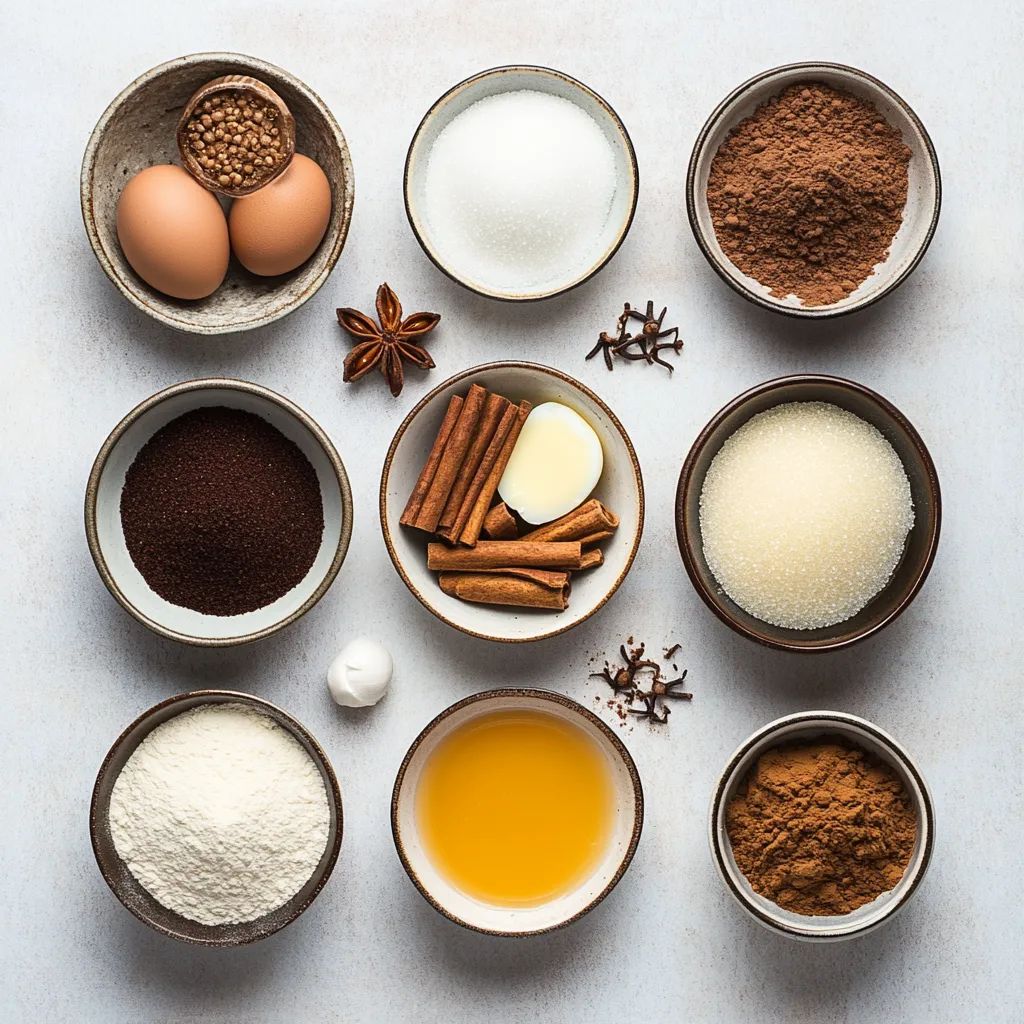
Instructions
1. In a medium mixing bowl, combine the all-purpose flour, ground ginger, ground cinnamon, ground cloves, baking soda, and salt. Whisk these dry ingredients together until evenly blended, then set the bowl aside.
2. In a large mixing bowl, beat the softened unsalted butter and packed brown sugar together using a hand mixer or stand mixer on medium speed until the mixture is light and fluffy, typically about 2-3 minutes.
3. Add in the unsulfured molasses, large egg, and vanilla extract to the butter-sugar mixture. Beat until all ingredients are fully incorporated and the mixture is smooth.
4. Gradually add the dry ingredient mixture to the wet ingredients, mixing on low speed until a soft, cohesive dough forms. Be careful not to over-mix.
5. Wrap the dough tightly in plastic wrap and place it in the refrigerator. Chill for at least 2 hours or overnight for the best flavor and texture.
6. When you’re ready to bake, preheat your oven to 350°F (175°C) and line baking sheets with parchment paper to prevent sticking.
7. Scoop tablespoon-sized portions of chilled dough and roll them into balls. Roll each ball in granulated sugar until evenly coated.
8. Arrange the sugar-coated dough balls on the prepared baking sheets, spacing them about 2 inches apart to allow for spreading during baking.
9. Bake in the preheated oven for 8-10 minutes. The edges should be set while the centers remain soft and slightly underbaked, which will ensure a chewy texture.
10. Once baked, let the cookies cool on the baking sheets for about 5 minutes. Afterward, gently transfer them to wire racks to cool completely.
11. Relish your soft gingerbread cookies with a refreshing glass of milk or your favorite warm beverage!
– Optional: Presentation Tips: Serve these cookies on a festive platter, garnished with a sprinkle of powdered sugar or alongside some seasonal fruits for a beautiful holiday display. Enjoy!
Preparation Techniques
Mixing Dry Ingredients
To embark on your gingerbread cookie-making journey, understanding how to properly combine the dry ingredients is paramount. Start with a medium mixing bowl where you’ll add your all-purpose flour, ground ginger, ground cinnamon, ground cloves, baking soda, and salt. Using a whisk, blend these ingredients carefully. This not only ensures that the spices are evenly distributed but also helps to aerate the flour, priming it for the addition of wet ingredients. A thorough mixing process sets the foundation for uniform flavor and texture throughout the cookies.
Creaming Butter and Sugar
The next phase involves creaming together the unsalted butter and packed brown sugar, a step that is crucial to achieving the perfect cookie texture. Use a hand mixer or stand mixer set to medium speed to beat these two ingredients together. You’ll want to cream them for about 2-3 minutes until the mixture appears light and fluffy. Creaming not only integrates air into the butter and sugar mixture but also helps to create a structure that will hold together well during baking. The light and airy texture that’s formed will translate into the softness you desire in your cookies.
Incorporating Wet Ingredients
With your butter-sugar mixture ready, the next step is to introduce the wet ingredients. Slowly adding the unsulfured molasses, large egg, and vanilla extract ensures that these ingredients blend evenly into the creamed butter and sugar mixture. As you beat these ingredients in, the texture should transform into a smooth, cohesive batter. It’s essential that all components are fully incorporated to prevent any clumps of dry ingredients from remaining in the dough, which could lead to uneven textures in the finished cookies.
Dough Preparation
Forming the Dough
As you shift into the creation of the dough, it’s important to gradually add your previously combined dry ingredients to the wet mixture. Mixing on low speed will help keep the dough from becoming overworked, which is conducive to achieving the desired softness. Continue blending just until a soft and cohesive dough forms. At this stage, you shouldn’t see any dry flour, but the dough should still be slightly sticky and pliable. Properly forming the dough is an art that impacts the final texture of your gingerbread cookies.
Chilling the Dough
Once your dough is formed, wrapping it tightly in plastic wrap is crucial for the chilling process. By placing the dough in the refrigerator for at least 2 hours, or even overnight, the flavors have the opportunity to meld beautifully. Chilling the dough not only enhances flavor but also firms up the texture, making it easier to scoop and roll later. The added time allows the moisture to be evenly distributed throughout the dough, ensuring that each cookie bakes evenly. This step cannot be overlooked if you’re aiming for that signature soft and chewy bite.
Stay tuned for the next part of this recipe article, where we will dive deeper into baking your gingerbread cookies to perfection and explore some fun presentation tips!
Baking the Cookies
Preheating the Oven
Preheating your oven is a crucial step in the baking process. It ensures that the cookies bake evenly and achieve that desired chewy texture. When the oven reaches the pre-set temperature of 350°F (175°C), the cookies will start cooking instantly upon being placed inside, promoting uniform baking. Utilizing an accurate oven thermometer can help you stay certain about the temperature, as variations can lead to cookies that are either overcooked, resulting in a hard texture, or underbaked, leaving them overly soft.
Rolling the Dough
Rolling the dough into balls is more than just a way to shape your cookies; it’s also essential for ensuring even cookie size and consistent baking. To achieve the perfect texture, use a tablespoon to scoop out a portion of chilled dough. Take care to roll it gently in your hands, making sure it is smooth and free from cracks. Once rolled, coat each ball thoroughly in granulated sugar. This not only adds sweetness but also creates a subtle crunch on the exterior when baked. Roll lightly but with enough pressure to ensure an even coating, which will caramelize during baking, enhancing both flavor and appearance.
Baking Process
Monitoring the cookies as they bake is key to achieving that perfect chewy center. After placing the cookies in the oven, set a timer for 8 minutes and keep an eye on them. Look for the edges to begin setting while the centers remain soft; they will continue cooking on the baking sheet once removed from the oven. The ideal baking time can vary slightly depending on your oven’s performance, so it’s advised to check them at the lower end of the suggested baking time—8 minutes—and adjust if needed.
Cooling and Storing
Cooling on the Baking Sheets
Once you remove the cookies from the oven, allow them to cool on the baking sheet for about 5 minutes. This step is essential for several reasons. First, it helps the cookies firm up slightly, which is important to prevent breakage during transfer. Secondly, the lingering heat from the baking sheet continues to cook the undersides of the cookies, giving them that perfect, slightly doughy center while also maintaining a soft texture. After this initial cooling phase, move them to wire racks to cool completely, ensuring even airflow around the cookies without making them soggy.
Proper Storage Tips
To keep your gingerbread cookies fresh, store them in an airtight container once completely cooled. If you layer them, place a sheet of wax paper between layers to prevent sticking. These cookies are best enjoyed within a week of baking, but if you’re looking to store them longer, consider freezing. To freeze, wrap the individual cookies tightly in plastic wrap, then place them in a freezer-safe bag or container. This will help maintain their flavor and texture, allowing you to enjoy them at a later date. When ready to eat, simply thaw at room temperature or warm them slightly in the oven.
Flavor Enhancements
Additions to the Dough
While the classic recipe is delightful, consider personalizing your gingerbread cookies with enjoyable enhancements. Chocolate chips are a popular choice; their richness balances the warm spices exceptionally well. Alternatively, incorporating nuts—like walnuts or pecans—can add a delightful crunch and complexity to the cookie’s flavor. For those who appreciate a touch of zest, finely grated citrus peel enhances the overall taste without overpowering the traditional gingerbread essence.
Frosting Options
Creating a simple frosting can elevate your cookies to a new level. Royal icing or cream cheese frosting not only adds a beautiful sheen but also brings an extra layer of sweetness to the spicy notes of the cookies. If you prefer a glaze, mix powdered sugar with a little milk or lemon juice for a drizzle that is quick and visually appealing. Consider adding spices to the frosting, such as cinnamon or nutmeg, to keep that gingerbread flavor present even in the topping.
Presentation Ideas
Festive Serving Suggestions
Serving your gingerbread cookies on a decorative platter can create an inviting and festive presentation. Using vibrant colors, holiday-themed plates, or even a rustic wooden board can enhance your serving. Consider adding accents like holly leaves or candy canes around the platter to highlight the seasonal theme. A sprinkle of powdered sugar over the cookies can simulate snow, making them even more appealing during winter gatherings.
Pairing Beverages
Pairing these cookies with a drink can be a delightful experience. For a classic combination, a warm glass of milk is always a favorite, complementing the spices beautifully. For a more adult touch, consider serving with spiced tea or a hot apple cider. These beverages will enhance the aromatic experience of the gingerbread cookies, making for a cozy indulgence.
Variations on the Recipe
Gluten-Free Adaptation
If accommodating gluten-free diets, it’s possible to modify this recipe without compromising taste. Substitute the all-purpose flour with a gluten-free blend, ensuring it contains xanthan gum for proper texture. This swap allows those with gluten sensitivities to enjoy delicious gingerbread cookies while maintaining a similar soft and chewy profile.
Flavor Variations
Experimenting with different spices can result in unique flavor profiles. Cardamom, for example, can offer a floral and spicy dimension, while nutmeg adds warmth distinct from traditional cinnamon. You might even consider a mix of spices to create your custom blend—keeping in line with the gingerbread spirit while introducing new culinary experiences.
Nutritional Information
While the exact caloric content of these delicious cookies is not specified, it’s essential to consider the potential healthful aspects of the ingredients. The molasses used can bring about necessary minerals like iron and calcium, while the spices themselves have antioxidant properties. Being mindful of portion sizes can allow you to enjoy these treats while still keeping a balanced diet.
Conclusion
These deliciously soft gingerbread cookies offer a wonderful combination of spices and sweetness, resulting in a comforting treat. Perfectly chewy with a delightful texture, they take minimal time to prepare, making them a great addition to any occasion. Enjoy these cookies warm with milk or as a sweet gift to share with friends and family.

Deliciously Soft Gingerbread Cookies You'll Love Year-Round
Ingredients
- 2 ¾ cups all-purpose flour
- 1 tablespoon ground ginger
- 1 tablespoon ground cinnamon
- 1 teaspoon ground cloves
- ½ teaspoon baking soda
- ½ teaspoon salt
- ¾ cup unsalted butter softened
- ½ cup packed brown sugar
- ½ cup unsulfured molasses
- 1 large egg
- 1 teaspoon vanilla extract
- ¼ cup granulated sugar for rolling
Instructions
- Combine flour, ginger, cinnamon, cloves, baking soda, and salt in a bowl.
- Beat butter and brown sugar until light and fluffy.
- Add molasses, egg, and vanilla; mix until smooth.
- Gradually mix in dry ingredients until a soft dough forms.
- Wrap dough in plastic wrap and chill for at least 2 hours.
- Preheat oven to 350°F (175°C) and line baking sheets with parchment.
- Scoop dough, roll into balls, and coat with granulated sugar.
- Place balls on baking sheets, spaced 2 inches apart.
- Bake for 8-10 minutes until edges are set and centers are soft.
- Cool on sheets for 5 minutes, then transfer to wire racks.