
Introduction
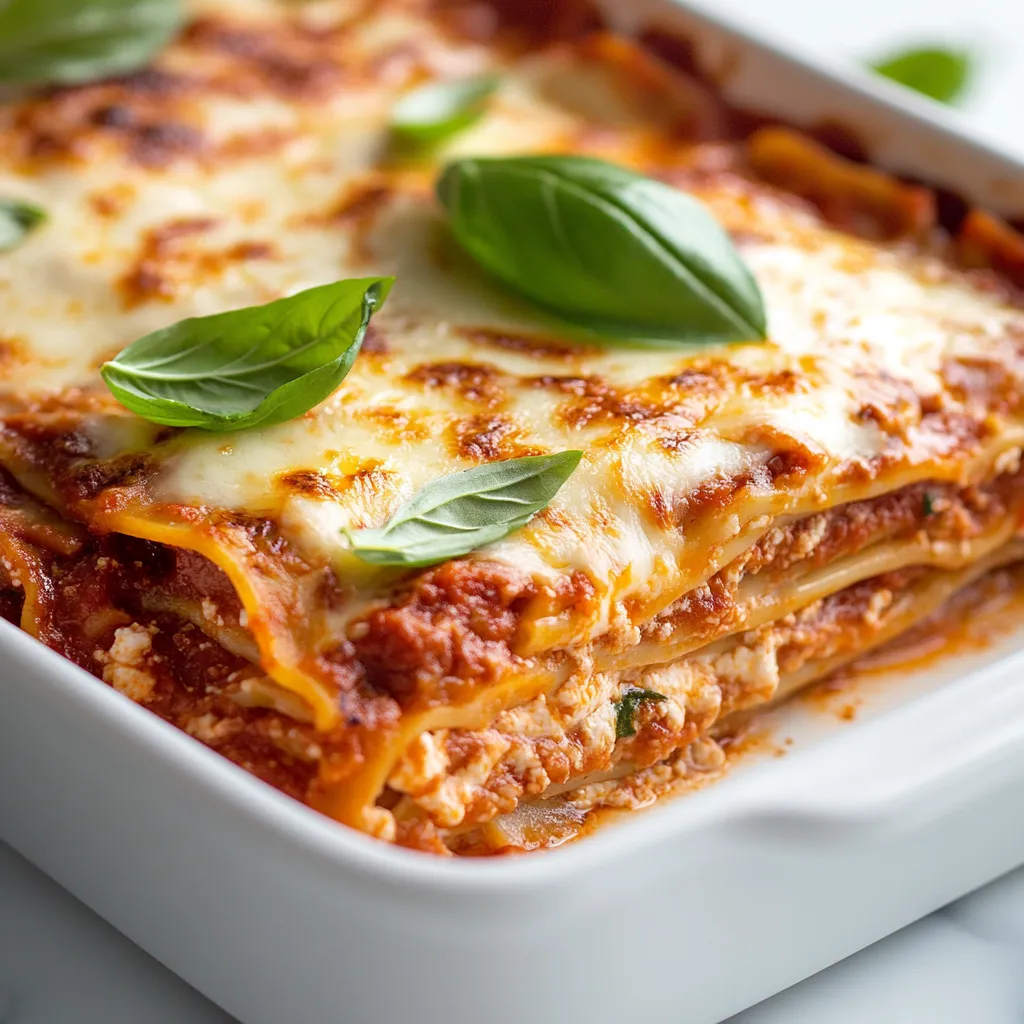
Exploring comforting dishes often leads us to traditional favorites, and one such dish is lasagna. This Hearty Family Lasagna Delight captures the classic Italian flavors that many of us grew up with, providing warmth and satisfaction in every bite. Initially emerging as a dish from the countryside, lasagna has evolved into one of the most beloved comfort foods worldwide, often bringing families together around the dining table.
This particular recipe stands out due to its rich layers of creamy ricotta cheese, melty mozzarella, and a robust marinara sauce that embodies the essence of Italian cooking. The combination of these ingredients ensures that every bite offers a delightful experience, balancing flavors and textures beautifully. Perfect for family gatherings or cozy weeknight dinners, this lasagna invites everyone to indulge in hearty portions of love and nourishment.
Whether you’re reminiscing about family cookouts or simply enjoying a quiet evening at home, a serving of Hearty Family Lasagna Delight can transport you to a place of warmth and comfort. It’s ideal for various occasions; it satisfies the hungry and pleases the picky. With layers of deliciousness topped off with a sprinkle of fresh basil, this lasagna not only pleases the palate but also adds a visually appealing touch to your meal.
Recipe Overview
– Prep Time: 20 minutes
– Cook Time: 40 minutes
– Total Time: 1 hour
– Course: Main Course
– Cuisine: Italian
– Servings: 6
– Calories: ~400 per serving
This lasagna recipe combines simplicity with robust flavors, making it an ideal main course for various occasions. Easily serving six people, it strikes a perfect balance between a rich, hearty meal and a comforting treat. The use of layers ensures a delightful experience in each slice, while the combination of cheeses adds a creamy texture that melts in your mouth.
Ingredients
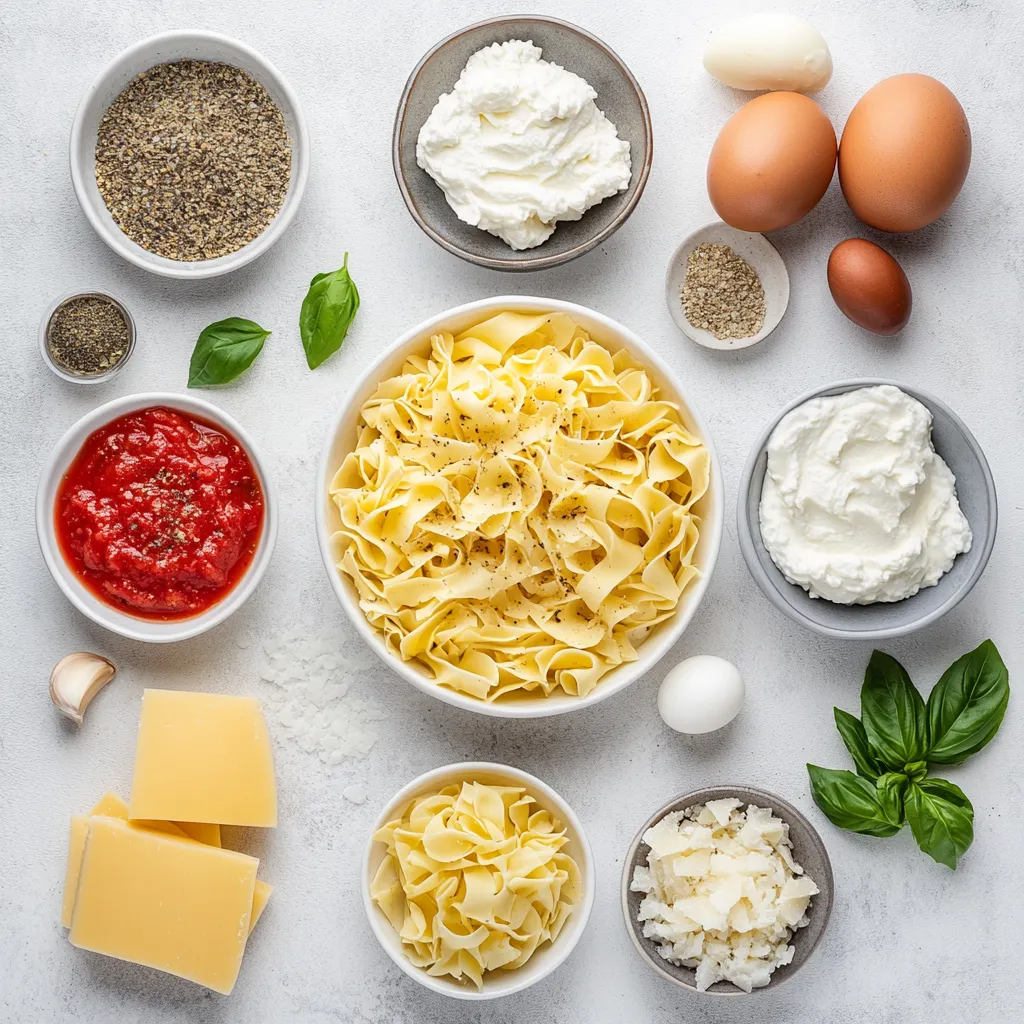
– 9 lasagna noodles
– 2 cups fresh ricotta cheese
– 3 cups homemade or store-bought marinara sauce
– 2 cups shredded mozzarella cheese
– 1 cup freshly grated Parmesan cheese
– 1 large egg
– 1 tablespoon dried oregano
– Salt and pepper to taste
– Fresh basil leaves for garnish (optional)
Instructions
1. Begin by preheating your oven to 375°F (190°C) to ensure it’s ready for baking.
2. Cook the lasagna noodles in boiling water according to the package instructions until al dente. Drain the noodles and lay them flat on a clean kitchen towel to prevent sticking.
3. In a mixing bowl, combine the ricotta cheese, egg, dried oregano, a pinch of salt, and freshly ground pepper. Stir the mixture until it becomes creamy and well blended.
4. Spread a thin layer of marinara sauce evenly across the bottom of a 9×13 inch baking dish to prevent sticking.
5. Arrange 3 lasagna noodles over the sauce, ensuring they are parallel and slightly overlapping. Next, dollop half of the ricotta mixture over the noodles and gently spread it out.
6. Sprinkle one-third of the shredded mozzarella cheese over the ricotta layer, followed by one-third of the marinara sauce for added moisture and flavor.
7. Repeat the layering process: place another 3 noodles on top, spread the remaining ricotta mixture, add another third of the mozzarella, and pour on another third of the marinara sauce.
8. For the final layer, place the last 3 noodles on top, cover with the remaining marinara sauce, and finish by generously sprinkling the grated Parmesan cheese over everything.
9. Cover the baking dish with aluminum foil to retain moisture and bake in the preheated oven for 25 minutes.
10. After 25 minutes, carefully remove the foil and continue baking for an additional 15 minutes, or until the cheese is melted, bubbly, and lightly golden on top.
11. Allow the lasagna to cool for 10 minutes before slicing into squares for serving. Optionally, garnish each serving with fresh basil leaves for a pop of color and flavor.
Cooking Equipment
Baking Dish
The choice of a baking dish is significant when making lasagna. A 9×13 inch baking dish is recommended for perfect layering, which allows enough space for all the delightful ingredients. The right size ensures even cooking and that the layers remain intact during slicing.
Mixing Bowl
Having a reliable mixing bowl is essential for combining the ricotta mixture seamlessly. A medium-sized bowl will work perfectly to give you enough room to mix the creamy components without spilling. This will be the bowl where the magic begins as you combine the ricotta cheese with the egg and spices.
Pot for Boiling Noodles
A large pot is necessary for boiling the lasagna noodles to al dente perfection. This cooking method is crucial because overcooked noodles can lead to a mushy lasagna, while undercooked noodles won’t hold their shape properly. Once boiled, they should be drained and laid out flat to ensure they don’t stick together.
Aluminum Foil
Aluminum foil will be your friend during the baking process. Covering the lasagna with foil for the first half of the baking time allows the dish to retain moisture, ensuring that the layers steam beautifully and do not dry out. This is a vital step for achieving that perfect creamy texture throughout the lasagna.
Kitchen Towel
A clean kitchen towel becomes an essential tool after boiling your noodles. It will help prevent sticking, making it easier to layer the noodles without tearing them apart. Laying them flat on a kitchen towel also allows them to cool slightly, making them easier to handle as you layer.
Preparation Steps
Preheating the Oven
Preheating your oven is a fundamental step to ensure even cooking, especially for recipes like lasagna that rely on consistent heat to meld flavors and textures together. Setting your oven to 375°F (190°C) gives the dish a head-start, promoting the bubbling and browning of the cheeses that make lasagna so appealing.
Cooking the Noodles
Boiling and draining the lasagna noodles requires attention to avoid overcooking. Following package instructions for timing is essential, as this ensures the noodles remain firm and hold together well in the layers. Once they’re al dente, draining them is just as crucial. They should be placed on a kitchen towel to cool and prevent sticking, simplifying the layering process later.
Preparing the Ricotta Mixture
The ricotta mixture is a key component in lasagna, contributing to its creamy texture and flavor. Combining the ricotta cheese with a large egg not only binds the mixture but also adds richness. Dried oregano infuses an aromatic touch, while salt and pepper round out the flavors, ensuring every layer delivers a delicious punch in every bite.
Layering the Lasagna
Base Layer
The first layer of marinara sauce in the baking dish is not merely for flavor; it is essential for preventing the noodles from sticking to the bottom. This base layer offers moisture and ensures the noodles cook perfectly, enhancing the overall texture of the lasagna and keeping it from becoming too dry.
First Filling Layer
In this layer, the combination of noodles, ricotta, and mozzarella creates a harmonious blend of flavors. Spreading the creamy ricotta over the first layer of noodles allows for an even distribution across the dish, while the mozzarella on top introduces a stringy, melting texture that adds another dimension to each bite.
Final Toppings
The last layer includes a generous sprinkling of grated Parmesan cheese, creating a beautiful golden crust as it bakes. This topping, along with the remaining marinara sauce, ensures the lasagna is bursting with flavor, connecting each layer together beautifully. The right balance of cheeses here is crucial for achieving that mouthwatering melt that makes lasagna a favorite among many.
Through these carefully structured steps, the Hearty Family Lasagna Delight is set to become a cherished centerpiece at your table, ready to be shared and savored with loved ones.
Baking the Lasagna
Covering with Foil
Covering the lasagna with foil during the initial stage of baking is critical for several reasons. Firstly, it traps steam and moisture, preventing the lasagna from drying out. This steam aids in cooking the noodles, ensuring they remain tender and flavorful. The foil cover also helps the cheese meld beautifully with the sauce, creating that creamy consistency that is so desirable in lasagna. Without this initial covering, you risk ending up with a dry, burnt top layer that detracts from the overall enjoyment of the dish.
Final Bake Without Foil
Once you remove the foil for the last 15 minutes of baking, you allow the cheese to achieve a distinct golden-brown color and crispy texture. This caramelization enhances the flavor profile significantly, adding a richer layer that complements the savory marinara sauce and creamy ricotta. The exposed surface can become beautifully bubbly while preventing the noodles beneath from overcooking, providing that perfect texture contrast which is a hallmark of a well-made lasagna.
Cooling and Serving
Cooling Time
After pulling the lasagna from the oven, giving it time to cool is crucial. Allowing it to sit for about 10 minutes not only makes it easier to slice but also lets the layers settle and firm up. This resting period allows the flavors to meld further, enhancing the dish’s overall taste. Slicing too soon can lead to messy portions where the layers might separate, making it less visually appealing as well.
Slicing Techniques
When it comes to slicing your lasagna, using a sharp knife or a pizza cutter can ensure clean, neat cuts. It’s beneficial to start from the corners and carefully work your way in. Keeping a damp cloth nearby can help clean the knife between slices, allowing you to present a well-defined square every time. Additionally, cutting through the crust without losing the interior structure will yield a more satisfying experience for your guests, ensuring each bite showcases the beautiful layers.
Presentation Ideas
Plating Suggestions
Presentation is key to enhancing the dining experience. For the best visual appeal, serve each slice of lasagna on a warm plate to maintain temperature and create a welcoming presentation. You can add a generous drizzle of freshly warmed marinara sauce around the lasagna for a splash of color and moisture. Additionally, placing the lasagna alongside a simple green salad or garlic bread provides a great balance on the plate and makes the meal feel complete.
Garnishing with Basil
Using fresh basil leaves as a final garnish not only adds a beautiful pop of green to your dish but also infuses an aromatic freshness that elevates the overall flavor. The vibrant color contrasts beautifully with the golden and red hues of the lasagna, making it visually enticing. Basil complements the tomato and cheese flavors and provides nutritional benefits, adding to the overall appeal of the dish.
Variations to Try
Meat Lover’s Lasagna
For those who enjoy heartier fare, consider adding cooked ground beef, turkey, or Italian sausage to your ricotta mixture. This meat variation introduces additional protein and flavor that makes the lasagna incredibly satisfying. Simply brown the meat with some garlic and onions before mixing it in, allowing it to integrate seamlessly with the other ingredients.
Vegetarian Options
Creating a vegetarian lasagna is simple and delicious. You can substitute the meat with layers of sautéed vegetables such as spinach, zucchini, mushrooms, or bell peppers. These additions not only enhance the flavor but also increase the nutritional value of the dish. Roasted vegetables can add depth, and adding fresh vegetables between layers will provide a fresh burst in every bite.
Gluten-Free Alternatives
For gluten-free diners, there are a variety of lasagna noodle options available in most supermarkets, including varieties made of rice, quinoa, or corn. Be sure to check for labeling confirming that they are gluten-free. These alternatives may require different cooking times, so be sure to follow the package instructions closely; otherwise, you might end up with a lasagna that doesn’t hold its shape.
Nutritional Information
Caloric Breakdown
With approximately 400 calories per serving, this lasagna serves as a filling and comforting meal option for families. Each serving provides a balance of carbohydrates, protein, and fats, contributing to a satisfying and hearty main dish. The caloric content can be beneficial when planning meals, especially for those who may be tailoring their diets for specific needs.
Health Considerations
While this dish is indulgent, it can still be incorporated into a balanced diet with some consideration. By adding vegetables, you can elevate the nutritional profile without significantly increasing the calorie load. Likewise, using part-skim mozzarella cheese can reduce fat content and calories without sacrificing taste. It’s all about finding that perfect balance of flavors and healthfulness.
Common Mistakes to Avoid
Overcooking Noodles
One of the most frequent mistakes when preparing lasagna is overcooking the noodles during the initial boiling. Often, lasagna noodles should be cooked just until al dente, as they will continue to cook in the oven. If left to cook too long, you risk ending up with mushy noodles that disrupt the layers and texture.
Skipping Layers
Each layer of your lasagna plays a pivotal role in flavor and texture development. Skipping layers or skimping on ingredients can lead to dry sections or uneven flavor distribution. Make sure to adhere to the recipe’s layering method for the best taste; consistency is key to achieving the perfect balance of flavors and texture.
Storing Leftovers
Best Practices
If there are any leftovers (which is often unlikely!), cool the lasagna completely before refrigerating. Store it in an airtight container or wrap it tightly with plastic wrap or aluminum foil. When reheating, cover the dish to retain moisture, which helps maintain the creamy consistency and prevents the cheese from hardening.
Shelf Life
Leftover lasagna can typically be kept in the refrigerator for about 3 to 5 days. If you’re unsure you’ll eat it within that timeframe, you may consider freezing portions. Properly frozen lasagna can last for up to 3 months; simply thaw in the refrigerator overnight before reheating to maintain quality.
Conclusion
This Hearty Family Lasagna Delight is a satisfying main course that expertly balances flavors and textures. With a total time of one hour, it is perfect for any occasion, offering a wholesome meal that brings comfort to those who enjoy it. Whether enjoyed fresh from the oven or heated as leftovers, each slice remains a delightful indulgence.
Hearty Family Lasagna Delight: A Classic Italian Recipe
Ingredients
- 9 lasagna noodles
- 2 cups fresh ricotta cheese
- 3 cups marinara sauce
- 2 cups shredded mozzarella cheese
- 1 cup grated Parmesan cheese
- 1 large egg
- 1 tablespoon dried oregano
- Salt and pepper to taste
- Fresh basil leaves for garnish optional
Instructions
- Preheat your oven to 375°F (190°C).
- Cook the lasagna noodles in boiling water until al dente, then drain and lay flat.
- In a bowl, mix ricotta cheese, egg, oregano, salt, and pepper until creamy.
- Spread a layer of marinara sauce in a 9x13 inch baking dish.
- Layer 3 noodles over the sauce, add half of the ricotta mixture, and one-third of the mozzarella.
- Repeat layering with another 3 noodles, remaining ricotta, mozzarella, and marinara.
- For the final layer, place the last 3 noodles, cover with remaining marinara, and sprinkle Parmesan.
- Cover with foil and bake for 25 minutes.
- Remove foil and bake for an additional 15 minutes until cheese is bubbly and golden.
- Let cool for 10 minutes before slicing and serve with fresh basil if desired.