

Introduction
Exploring the world of breakfast casseroles offers a savory way to start the day. This Savory Breakfast Casserole Delight is not just easy to prepare, but it’s also packed with nutrition and flavor. With the perfect blend of fresh vegetables, creamy eggs, and melty cheese, this dish is a crowd-pleaser ideal for family gatherings or weekend brunches. Furthermore, it embodies the essence of a hearty breakfast, bringing together classic ingredients in a comforting package.
A breakfast casserole can be an excellent choice for everything from busy weekday mornings to leisurely weekend brunches. This dish is designed to satisfy a variety of palates, making it versatile enough to please adults and children alike. Imagine the aroma of freshly sautéed potatoes and the enticing scent of baked cheese wafting through your home as you serve up generous squares of the casserole to your loved ones.
What’s exciting about this Savory Breakfast Casserole Delight is how it allows for personal touches. Want to add more vegetables? Go for it! Prefer a specific type of cheese? It can be substituted easily. The foundation of this dish enables creativity without losing the fundamental flavor elements that make breakfast casseroles so delightful.
Recipe Overview
– Prep Time: Not specified in the recipe
– Cook Time: Not specified in the recipe
– Total Time: Not specified in the recipe
– Course: Not specified in the recipe
– Cuisine: Not specified in the recipe
– Servings: Not specified in the recipe
– Calories: Not specified in the recipe
Ingredients
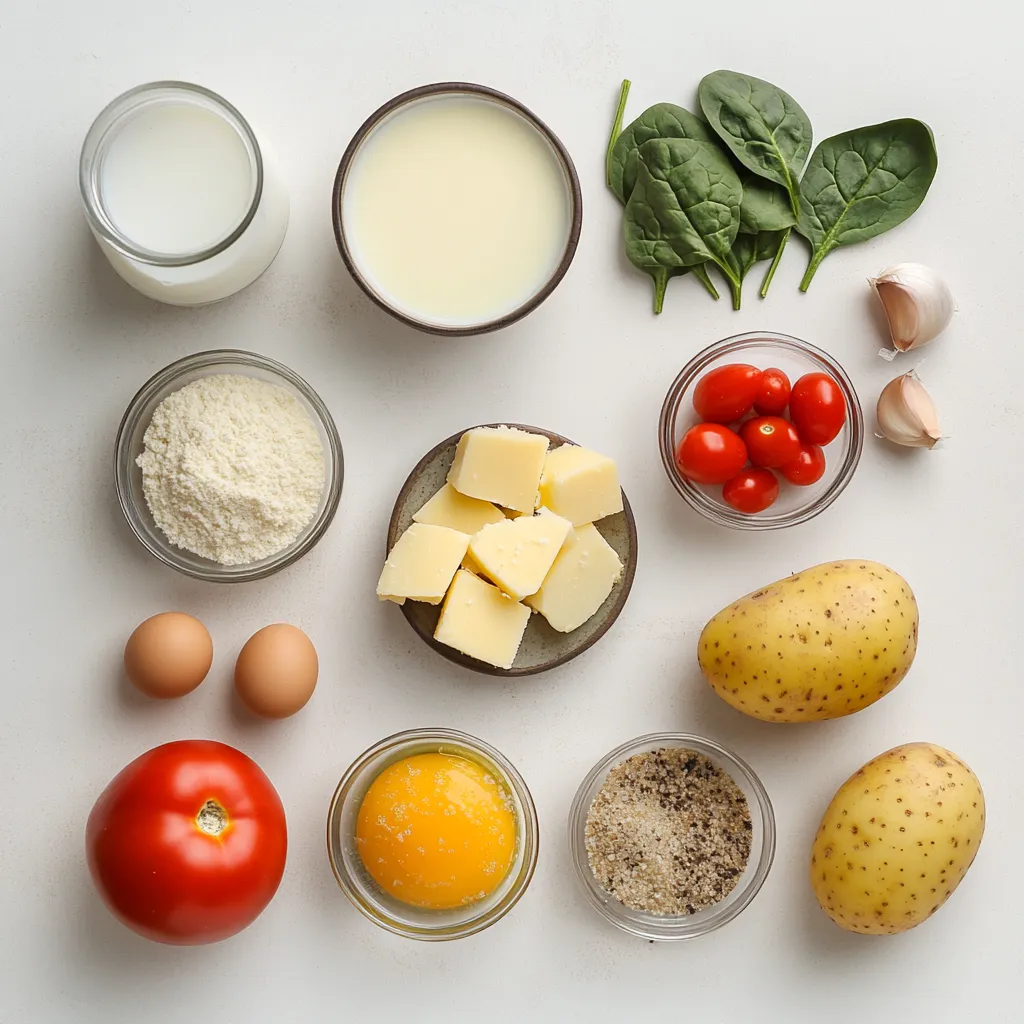
– 6 large eggs
– 1 cup milk
– 2 cups diced potatoes
– 1 cup fresh spinach, chopped
– 1 cup ripe tomatoes, diced
– 1 cup shredded cheese (choose between cheddar or mozzarella)
– 1 teaspoon garlic powder
– 1 teaspoon onion powder
– Salt and pepper, to taste
– 2 tablespoons extra-virgin olive oil
Instructions
1. Begin by preheating your oven to 375°F (190°C).
2. In a large skillet, heat the extra-virgin olive oil over medium heat. Once hot, add the diced potatoes and sauté them until they are tender and golden brown, which should take about 10 minutes. Stir occasionally to ensure even cooking.
3. In a separate mixing bowl, whisk together the large eggs, milk, garlic powder, onion powder, and a pinch of salt and pepper until well combined and frothy.
4. Grease a 9×13-inch baking dish with a little olive oil or cooking spray. Layer the cooked potatoes evenly across the bottom, followed by the chopped spinach, diced tomatoes, and finally, sprinkle the shredded cheese over the top.
5. Gently pour the egg mixture over the layered ingredients, ensuring it covers them evenly.
6. Place the baking dish in the preheated oven and bake for 30-35 minutes, or until the eggs are set and the top is beautifully golden brown.
7. Once baked, remove the casserole from the oven and allow it to cool for a few minutes before slicing into squares.
8. Serve warm for a delightful breakfast experience that everyone will love!
Optional Presentation Tips: Garnish each serving with a sprinkle of fresh herbs, such as parsley or basil, for a pop of color and added flavor. Consider serving with a side of fresh fruit or a light salad for a balanced meal.
Cooking Techniques
Understanding the cooking techniques used in the preparation of this savory breakfast casserole can significantly elevate your culinary skills. Sautéing is at the core of this dish, and its importance can’t be overstated. When you sauté the diced potatoes using extra-virgin olive oil, you unlock flavors that would otherwise remain muted. The process of sautéing involves cooking over relatively high heat with a small amount of oil or fat, which helps achieve that coveted golden-brown color while developing complex flavors.
The caramelization that occurs as the potatoes brown adds a depth of flavor that simply boiling or steaming them wouldn’t provide. It creates that satisfying crispy exterior while keeping the insides tender. To sauté perfectly, begin by ensuring that your skillet is adequately heated before adding the oil and potatoes. Stir occasionally to promote even cooking, which not only helps in achieving that golden color but also brings out the natural sweetness of the potatoes.
Layering is another fundamental aspect of casseroles, and this recipe emphasizes the art of layering ingredients. Each component, from the sautéed potatoes to the fresh spinach and diced tomatoes, plays a vital role in building flavors and textures. By layering the ingredients in a 9×13-inch baking dish, you ensure that each bite contains a delightful combination of ingredients, rather than throwing everything into the dish all at once.
The science behind layering flavors in casseroles involves understanding how the heat and moisture will transfer through the layers while cooking. Start with the sturdier ingredients at the bottom, like potatoes, which provide a solid base, and finish with the cheese on top, which forms a gooey, melted crust during baking.
Prep Work
Preparation is key to achieving a beautifully presented casserole and a well-balanced flavor profile. For this recipe, preparing your vegetables ahead of time is essential. Begin with the potatoes—dicing them evenly ensures they cook uniformly. A good quality chef’s knife is invaluable for this task, allowing you to quickly and precisely chop each piece to the desired size.
Next, consider the spinach and tomatoes. For the spinach, simply wash and chop the leaves into manageable sizes. Opt for baby spinach for a milder flavor that blends seamlessly into the casserole. As for the tomatoes, ripe and juicy specimens will contribute essential moisture and flavor, so it’s worth choosing high-quality produce.
When it comes to whisking the eggs, the method you use can affect the overall texture of the final dish. Whisking the eggs, milk, and spices until frothy introduces air, resulting in a fluffier casserole upon baking. This step is crucial, as it allows the eggs to rise properly in the oven and provides a light and airy texture that complements the denser ingredients.
The importance of frothing your egg mixture cannot be neglected; airy eggs lead to a beautiful rise and a delectable final product. Investing a little time in prep work can make a tremendous difference in the quality of your dish.
Layering the Casserole
Mastering the layering technique is essential for achieving the perfect breakfast casserole. The order in which you layer your ingredients matters significantly; it impacts not just the flavor but also the final texture.
Start with the sautéed potatoes as the foundation of the casserole. This ensures a sturdy base that can hold the weight of the other ingredients while providing a delicious, crispy texture. Follow this with the fresh spinach and diced tomatoes, allowing their moisture to be absorbed by the potatoes beneath while keeping an appealing visual contrast.
Lastly, take care when it comes to the cheese. Shredded cheese, whether you go for cheddar or mozzarella, not only acts as the final layer but also serves to tie all the flavors together. Cheese melts and binds the casserole while adding a creamy texture that enhances each bite. Cheddar offers a sharper taste profile, while mozzarella provides a milder flavor and a stringy texture, bringing its unique character to the dish. The choice between these cheeses can be a matter of personal preference or dietary considerations.
In conclusion, layering ingredients in this manner ensures that every slice of the casserole is bursting with flavor and variety. Through understanding and employing these techniques, you can elevate the humble breakfast casserole into a showstopper that everyone will talk about.
Tips for Maintaining Temperature While Baking
When preparing the Savory Breakfast Casserole Delight, temperature management is crucial for achieving the perfect bake. Here are some key tips to maintain the right temperature while baking:
– Preheating: Always begin by preheating your oven to the specified 375°F (190°C) before placing the casserole inside. Waiting for the oven to reach the right temperature before you start baking ensures even cooking throughout.
– Room Temperature Ingredients: Allow the eggs and milk to come to room temperature before mixing. This can help the casserole cook more evenly and helps the flavors meld together beautifully.
– Avoid Overcrowding: If preparing multiple dishes in your oven, ensure there is ample space around the casserole for air to circulate. This allows for consistent heat distribution and prevents uneven baking.
Timing and Temperature Control
Proper timing and temperature control are paramount when baking the casserole. While the recipe suggests baking for 30-35 minutes, it’s important to keep an eye on the dish. Factors such as the efficiency of your oven, the specific dimensions of the baking dish, and even the altitude at which you’re cooking can influence cooking time.
– Oven Thermometer: Using an oven thermometer can be helpful, as many ovens can be off by several degrees. This small investment can ensure the accuracy of your pre-set temperature.
– Checking Midway: If you have a convection oven, consider checking the casserole about 25 minutes into the bake time to see if it’s setting properly. Convection ovens may cook food faster due to the fan that circulates hot air around the dish.
How to Know When It’s Done
Knowing when your casserole is done is vital to achieving the desired texture. Here are a few tips on how to determine doneness:
– Visual Cues: The surface should appear golden brown, and the edges should be slightly puffed. If the casserole looks too wet in the center, it may need more baking time.
– Testing with a Knife: Inserting a knife or a toothpick into the center of the casserole is a practical way to test for doneness. If it comes out clean or with only a few streaks of egg, your casserole is likely done.
Indicators of the Perfect Bake
The perfect bake will yield a casserole that is fluffy on the inside and golden on the top. Here are some indicators to look out for:
– Egg Composition: The eggs should be fully set, with no runny areas remaining. The texture should feel light and airy when sliced.
– Cheese Melting: The cheese on the top should be melted and bubbly, perhaps even beginning to caramelize slightly at the edges, which adds to the flavor profile.
Cooling and Serving
Cooling Recommendations
Once your casserole exits the oven, allow it to cool briefly. Cooling is essential as it allows the ingredients to set, making slicing more manageable. Here are some cooling recommendations to consider:
– Resting Time: Ideally, let the casserole sit for at least 5-10 minutes before slicing. This cooling period can help the ingredients settle and prevents the filling from spilling out.
– Cooling Rack: If possible, transfer the baking dish to a cooling rack. This helps cool the casserole evenly from the bottom, preventing any sogginess.
Why Cooling Is Important for Slicing
Cooling plays a critical role in the slicing process. If you try to cut the casserole while it’s still hot, it may fall apart or be difficult to manage. By allowing it to cool:
– Set Texture: The cooling process helps to firm up the consistency, which helps maintain shape when serving.
– Easier Portions: For family-style serving, cooled pieces retain their square shape better, making for a more appealing presentation.
Proper Techniques for the Best Presentation
When it comes to serving, a beautiful presentation enhances the dining experience. Consider the following techniques:
– Using a Sharp Knife: A sharp, non-serrated knife can help in achieving clean cuts. Dipping the knife in hot water before slicing might also make it easier to cut through the layers without dragging the ingredients.
– Serving Pieces: Use a spatula to serve portions onto plates. This will maintain the integrity of each piece and make for an inviting plate presentation.
Serving Suggestions
For a well-rounded breakfast, serving suggestions can elevate the dish further. Here are some ideas:
– Fresh Fruit: A side of seasonal fresh fruit (such as berries or slices of melon) can add a welcomed sweetness and freshness to balance the savory casserole.
– Dressing Options: Compliment the dish with a light vinaigrette at the side or drizzle a simple olive oil and lemon dressing over your fruits for enhanced flavor.
Ideas for Garnishing with Fresh Herbs
Fresh herbs can elevate your Savory Breakfast Casserole Delight. Here’s how to use them effectively:
– Chopped Parsley or Basil: A light sprinkle of freshly chopped parsley or basil just before serving adds brightness and a pop of color.
– Fresh Chives: Chopped chives can provide an extra layer of flavor that pairs beautifully with the eggs and cheese.
Complementary Side Dishes for a Complete Breakfast
To create a balanced breakfast spread, consider these complementary side dishes:
– Light Salad: A simple side salad with mixed greens, cucumber, and a light dressing can contrast the richness of the casserole.
– Whole-Grain Toast: Slices of whole-grain toast are a hearty side, providing fiber and a satisfying crunch to accompany your meal.
Variation Suggestions
Alternative Vegetables
To customize your casserole, consider incorporating alternative vegetables. Options such as bell peppers, zucchini, or mushrooms not only enhance flavor but also add color and nutrition.
Substitutions That Maintain Texture and Flavor
Maintaining texture and flavor while making substitutions for dietary preferences is important. For example:
– Dairy-Free Cheese: For lactose intolerance or vegan diets, use nut-based cheeses. They melt well and provide a wonderfully creamy addition.
– Egg Substitutes: Flax eggs or a chickpea flour batter can be enjoyable alternatives for a vegan version while maintaining a similar texture.
Seasonal Vegetable Options
You can also tailor the casserole to be seasonally inspired. In the fall, consider adding roasted butternut squash or kale. In the summer, try zucchini and tomatoes to give a fresh burst of flavor.
Adjusting for Dietary Restrictions
For those with specific dietary needs, consider the following adjustments:
– Gluten-Free: This recipe is naturally gluten-free when using gluten-free cheese and ensuring all added ingredients are certified gluten-free.
– Dairy-Free Options: Utilize dairy-free milk and cheese alternatives to accommodate dairy-free lifestyles without sacrificing flavor.
Tips for Gluten-Free or Dairy-Free Adaptations
For gluten-free versions, ensure any added products are explicitly labeled as such. When it comes to dairy substitutions, explore coconut or almond yogurt for creaminess while keeping the dish rich and satisfying.
Other Potential Modifications
To keep this recipe versatile, consider incorporating other flavors such as:
– Spices: A dash of paprika or a sprinkle of red pepper flakes can add a welcome kick.
– Protein Add-ins: Consider adding cooked and crumbled sausage, bacon, or beans for added protein and heartiness.
Storage and Reheating
Storage Tips for Leftovers
Proper storage is essential for maintaining the freshness of leftovers. Here are some effective storage tips:
– Airtight Containers: Store leftover casserole in airtight containers to prevent moisture loss and keep it fresh longer.
– Layering: If stacking multiple layers in a container, place parchment paper between layers to avoid any sticking.
Best Containers for Preserving Freshness
For optimal freshness, glass or BPA-free plastic containers are excellent choices. They safeguard flavors and make it easy to reheat.
How Long Will It Last in the Fridge?
Generally, the casserole can last in the fridge for 3-4 days when stored properly.
Reheating Methods
Reheating is key to enjoying your casserole leftovers. Here are some effective methods:
– Oven Reheating: For best results, reheat in an oven set at 350°F until warmed through, roughly 15-20 minutes. This method helps maintain texture.
– Microwave Reheating: If in a hurry, pop a serving in the microwave on medium power for 1-2 minutes, checking frequently until heated.
Best Practices for Maintaining Texture in Reheating
To maintain the texture during reheating, consider covering the casserole with foil in the oven to prevent overdrying. In the microwave, use a microwave-safe lid or damp paper towel to keep moisture in.
Oven vs. Microwave Considerations
While the microwave is a quick option, reheating in the oven often retains the preferred textures that casserole lovers enjoy. There is a significant difference in the moisture and consistency between the two methods, leading to a more enjoyable breakfast experience.
Nutritional Insights
Breakdown of Ingredient Benefits
Each ingredient in the Savory Breakfast Casserole Delight contributes valuable nutrients:
– Eggs: Known for their high protein content, eggs also provide essential amino acids crucial for muscle repair and overall health.
– Spinach: Rich in vitamins A and C, along with iron and calcium, spinach is a powerhouse of nutrition.
– Potatoes: A great source of complex carbohydrates, potatoes provide energy while being high in fiber and potassium.
Nutritional Considerations for Families and Active Lifestyles
This recipe not only complements various diets but also makes it an excellent choice for families or those with active lifestyles who need balanced meals to sustain their energy levels.
Balancing Meals
When considering balance, the inclusion of protein, fiber, and healthy fats from the cheese and olive oil makes this dish satiating and fulfilling.
Discussing Portion Sizes and Calorie Distribution
Caloric content of the dish remains unspecified; however, being mindful of portion sizes will allow for better management of dietary habits, making it an ideal dish for varied lifestyles.
Conclusion
The Savory Breakfast Casserole Delight comes together as a nutritious and heartwarming start to anyone’s day. It encapsulates a range of flavors and textures that appeal to both the palate and the eye, making it a perfect dish for any breakfast occasion. Whether preparing for a casual family meal or elevating a special celebration, this casserole offers undeniable satisfaction on every plate.

Savory Breakfast Casserole Delight Recipe
Ingredients
- 6 large eggs
- 1 cup milk
- 2 cups diced potatoes
- 1 cup fresh spinach chopped
- 1 cup ripe tomatoes diced
- 1 cup shredded cheese
- 1 teaspoon garlic powder
- 1 teaspoon onion powder
- to taste salt and pepper
- 2 tablespoons extra-virgin olive oil
Instructions
- Preheat your oven to 375°F (190°C).
- Heat olive oil in a large skillet over medium heat and sauté diced potatoes until tender and golden brown, about 10 minutes.
- In a mixing bowl, whisk together eggs, milk, garlic powder, onion powder, and a pinch of salt and pepper until frothy.
- Grease a 9x13-inch baking dish and layer cooked potatoes, spinach, tomatoes, and cheese.
- Pour the egg mixture evenly over the layered ingredients.
- Bake in the preheated oven for 30-35 minutes until eggs are set and top is golden brown.
- Allow to cool for a few minutes before slicing into squares.
- Serve warm and enjoy!