
Introduction
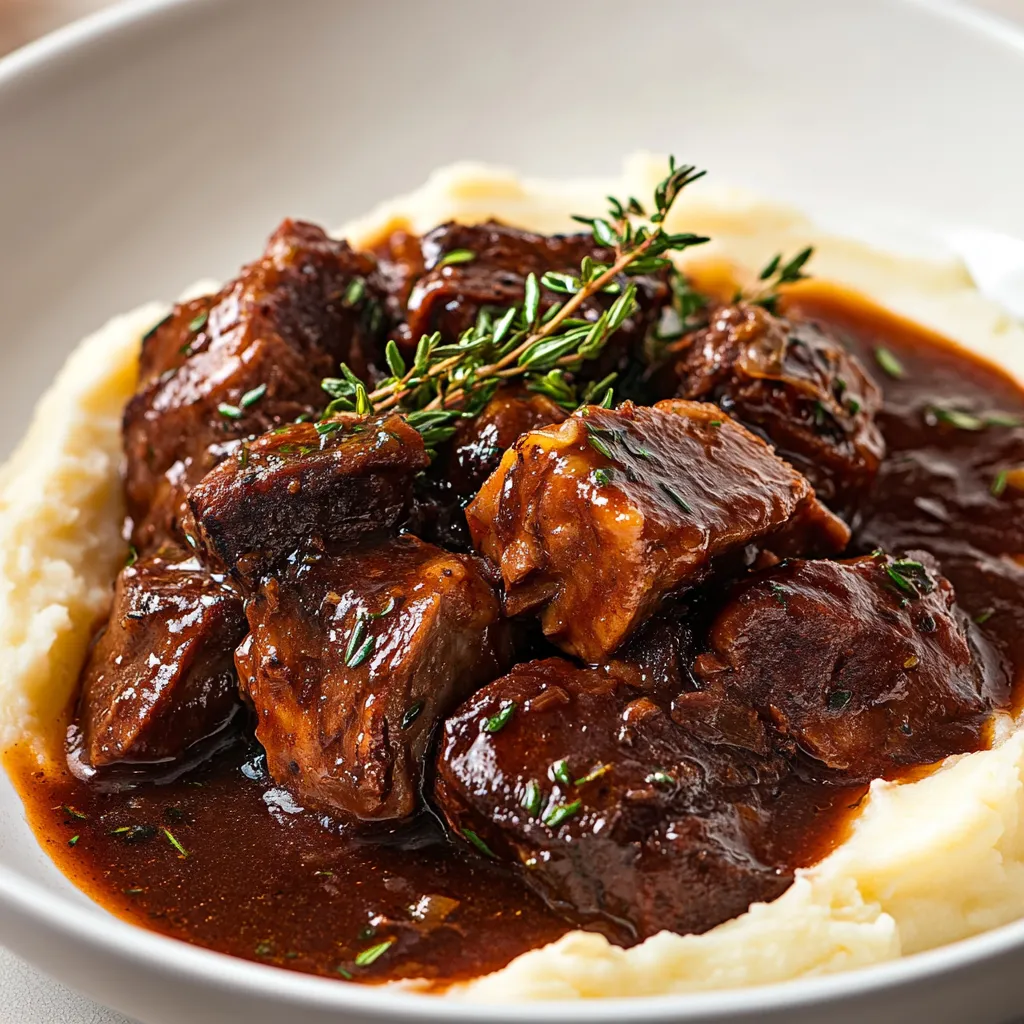
Exploring the comforting world of braised dishes, this recipe for Braised Pork in Rich Red Wine Sauce elevates your dining experience with tender pork shoulder infused with aromatic herbs and a deep, flavorful sauce. The combination of the succulent pork, the richness of the red wine, and the freshness of the herbs creates a symphony of flavors that is both complex and satisfying. Braising not only intensifies the taste but also ensures that the pork shoulder remains moist and fork-tender, making this dish an ultimate comfort food.
This Braised Pork recipe is perfect for various occasions, whether you’re hosting a cozy family dinner or celebrating a holiday meal. Its rich, inviting aroma wafting through your kitchen sets the stage for a delightful gathering. Serve it with creamy mashed potatoes or a side of velvety polenta, and you’ll have a meal that not only warms the heart but also impresses your guests. The versatility of this dish means it can easily adapt to seasonal changes—think of it during chilly autumn evenings or snowy winter nights, where its comforting essence truly shines.
Recipe Overview
This section provides a succinct summary of the dish, including its flavor profile and preparation method.
– Prep Time: Not specified in the recipe
– Cook Time: Not specified in the recipe
– Total Time: Not specified in the recipe
– Course: Not specified in the recipe
– Cuisine: Not specified in the recipe
– Servings: Not specified in the recipe
– Calories: Not specified in the recipe
Ingredients
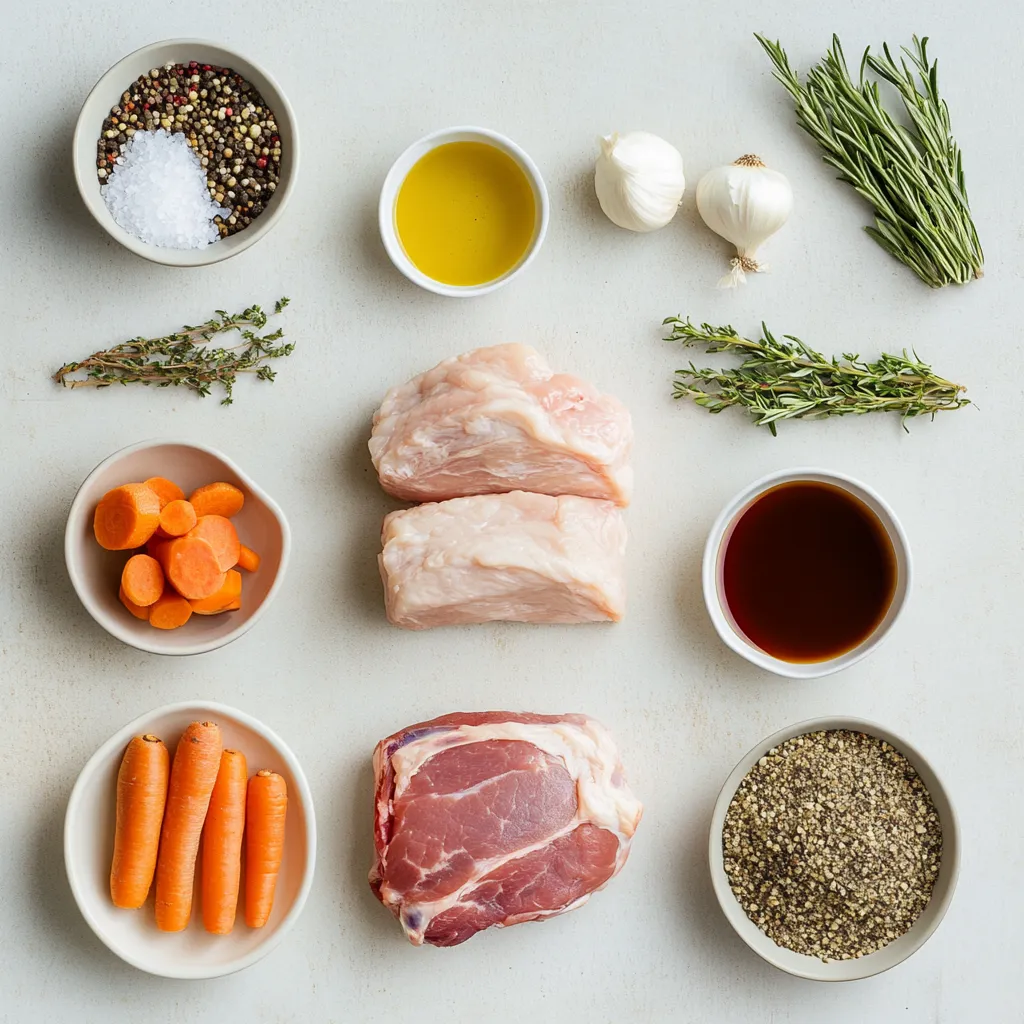
To prepare this flavorful Braised Pork in Rich Red Wine Sauce, you will need the following ingredients:
– 2 pounds pork shoulder, cut into large chunks
– 750 ml non-alcoholic red wine (for a similar depth of flavor)
– 2 cups chicken broth
– 1 large onion, diced
– 4 cloves garlic, minced
– 2 carrots, chopped
– 2 celery stalks, chopped
– 2 tablespoons olive oil
– 1 tablespoon fresh rosemary, finely chopped
– 1 tablespoon fresh thyme, finely chopped
– Salt and freshly ground black pepper to taste
Instructions
Follow these step-by-step instructions to create a delicious Braised Pork in Rich Red Wine Sauce:
1. Preheat your oven to 300°F (150°C).
2. In a large Dutch oven, heat the olive oil over medium-high heat. Generously season the pork shoulder chunks with salt and pepper. Add the pork to the pot and brown it on all sides, which should take about 8–10 minutes. Once browned, remove the pork from the pot and set it aside on a plate.
3. In the same Dutch oven, add the diced onions, chopped carrots, and chopped celery. Sauté the vegetables for about 5 minutes, or until they begin to soften and the onions become translucent.
4. Stir in the minced garlic, chopped rosemary, and chopped thyme. Cook for an additional minute, allowing the herbs to release their fragrant aromas.
5. Carefully pour in the non-alcoholic red wine, making sure to scrape up any browned bits stuck to the bottom of the pot. Bring the mixture to a gentle simmer.
6. Return the browned pork to the pot, then pour in the chicken broth. Ensure that the pork is mostly submerged in the liquid for even cooking.
7. Cover the Dutch oven with its lid and transfer it to the preheated oven. Let it braise for 3 hours, or until the pork is fork-tender and easily shreds.
8. Once the cooking time is complete, carefully remove the pot from the oven and let the braised pork rest for about 10 minutes before serving.
9. Serve the tender pork with a generous ladle of the rich sauce over creamy mashed potatoes or velvety polenta for a comforting meal.
Presentation Tips
For an appealing presentation, garnish the dish with a sprinkle of fresh thyme or rosemary leaves. This not only adds a pop of color but also enhances the dish’s aroma. Serving it in deep bowls not only catches the delicious sauce but also allows guests to savor every last drop of this rich concoction. Pair your braised pork with a side of fresh crusty bread; it not only rounds out the meal but also makes for an excellent vehicle to soak up the sumptuous sauce.
Preparation Steps
Starting with the right preparations is essential for achieving the best results with your Braised Pork in Rich Red Wine Sauce. Below are detailed insights into each step of the preparation process.
Preheating the Oven
Preheating your oven to 300°F (150°C) is the first step in ensuring that your braised pork cooks evenly. A preheated oven allows the pork to begin the braising process as soon as it’s in the oven, locking in flavors and moisture.
Browning the Pork
Browning the pork shoulder is a crucial step in this recipe. Not only does it add a beautiful color and layer of flavor to the meat, but it also creates a fond at the bottom of the pot. This fond, or the crispy bits that cling to the bottom, will later combine with the liquid to form a rich and complex sauce. Season your pork generously with salt and pepper to flavor the meat, and allow it to get that essential sear. Using medium-high heat helps to achieve that desirable golden brown crust, which typically takes between 8 to 10 minutes.
Sautéing the Vegetables
After setting the browned pork aside, the next step involves sautéing the diced onions, chopped carrots, and chopped celery. This mixture, known as mirepoix, serves as the aromatic base for the sauce. Sauté for about 5 minutes until the vegetables start to soften and the onions turn translucent, which indicates that they are releasing their flavors.
Incorporating Garlic and Herbs
Once your vegetables are tender, it’s time to introduce the minced garlic, fresh rosemary, and thyme into the mix. Cooking these for an additional minute enhances their aromas, creating a delightful fragrance that fills your kitchen. The freshness of the herbs is integral to creating a vibrant flavor profile in the final dish.
Creating the Braising Liquid
This dish’s heart lies in its luxurious braising liquid. Carefully pour the non-alcoholic red wine into your pot, making sure to scrape up the browned bits from the bottom. This not only infuses your sauce with depth but also ensures that you make the most out of all the flavors developed during browning. Then, integrate the chicken broth into the mixture, fully submerging the pork to facilitate even cooking and tenderness.
By attentively executing each step in this braising process, you’ll be well on your way to preparing a truly comforting and memorable dish of Braised Pork in Rich Red Wine Sauce.
Scraping the Pot for Flavor
One of the crucial steps that contributes to the depth of the flavor in the Braised Pork in Rich Red Wine Sauce is the art of deglazing. After browning the pork, the fond or caramelized bits left in the Dutch oven are a treasure trove of flavor waiting to be brought back to life. Once you pour in the non-alcoholic red wine, be sure to gently scrape the bottom of the pot with a wooden spoon. This technique lifts those stuck bits into the sauce, enriching it with the rich, savory flavors that develop during the browning process. Paying special attention to this step can enhance the overall taste profile of your braised pork significantly, adding dimension and complexity.
Combining Ingredients Before Braising
Prior to braising, combining the right ingredients is paramount. In this recipe, the sequence in which you add the ingredients allows for a harmonious blending of flavors. After sautéing the vegetables, introducing the minced garlic and fresh herbs helps to wake up their flavors, leading to a fragrant base for your dish. The liquid components—non-alcoholic red wine and chicken broth—are then added to create a luxurious sauce that not only bathes the pork but also forms the foundation of the dish’s flavor. It’s essential to ensure that these elements are thoroughly mixed before adding the pork back into the pot, ensuring an even coating and flavor distribution throughout the cooking process.
Braising Process
Braising is a powerful cooking method that transforms tough cuts of meat into tender, flavorful delights. The key lies in the combination of wet and dry heat. Once you’ve combined your ingredients and returned the browned pork to the pot, it’s time to cover the Dutch oven and let it work its magic in the oven. The low and slow cooking process at 300°F (150°C) allows the connective tissues in the pork shoulder to break down, resulting in a melt-in-your-mouth texture. Maintaining a consistent temperature is vital, as it allows the pork to cook evenly. A typical braising time for this dish is roughly 3 hours, during which you can occasionally check the liquid level to ensure a steady supply of moisture, keeping the pork submerged for optimal tenderness.
Covering and Transferring to the Oven
After the initial sauté and deglazing, covering the Dutch oven with its lid is an important step in the braising process. This seals in the heat and moisture, creating a steaming effect that enhances the cooking of the meat. Once you transfer it to the oven, positioning it in the center allows for even heat distribution, contributing to a uniform cooking experience. It’s advisable not to peek too often during the cooking process, as this can release valuable heat and extend cooking time.
Ideal Cooking Time and Monitoring Tenderness
The three-hour braising period is essential, but individual ovens may vary, so it’s wise to check for doneness. The goal is to achieve fork-tender meat that shreds easily. Begin checking at around the two-and-a-half-hour mark to ensure the pork doesn’t overcook, as this may lead to a dry texture. A fork should effortlessly pull apart the meat without resistance—this is the sign of successful braising.
Resting the Pork
Understanding the importance of resting the meat post-cooking is crucial for a successful dish. Resting allows the muscle fibers to relax and reabsorb the juices that surfaced during cooking. Serving immediately after cooking can result in a loss of moisture when the meat is cut. Ideally, letting the pork rest for about 10 minutes before serving will ensure that each bite remains juicy and succulent, offering the perfect texture and flavor balance.
Suggested Resting Time
The ideal resting time of 10 minutes serves multiple purposes. It not only preserves the moisture within your braised pork but also allows for the flavors in the sauce to meld. During this period, you can focus on preparing your sides or perfecting the presentation of the dish.
Serving Suggestions
When it comes to serving your Braised Pork in Rich Red Wine Sauce, presentation is key to elevating the dining experience. Pairing the dish with creamy mashed potatoes or velvety polenta not only complements the rich sauce but also provides a neutral base that balances the robust flavors of the pork. Placing a generous ladle of the sauce over the pork adds visual appeal and encourages diners to savor every bite.
Garnishing with Fresh Herbs
To add a touch of freshness to your dish, consider garnishing with a sprinkle of fresh thyme or rosemary leaves. This not only enhances the visual appeal but also reinforces the herby notes present in the dish.
Suggested Serving Vessels
Deep bowls are recommended for serving this dish, allowing the generous sauce to pool around the pork and mashed potatoes or polenta. This presentation draws attention to the rich, inviting textures, making it almost impossible to resist for your guests.
Flavor Profile
The flavor profile of Braised Pork in Rich Red Wine Sauce is a delightful dance of savory and herbaceous notes. The complexity of the red wine sauce, combined with earthy roots and bright herbs, creates a multi-dimensional taste experience. With every bite, one experiences the tender shreds of pork alongside a luxurious sauce that envelops it, providing a gratifying contrast in textures.
The Complexity of the Red Wine Sauce
The use of non-alcoholic red wine facilitates depth without the strong acidity often found in traditional wines. The resulting sauce is both robust and nuanced, with undertones of sweetness from the caramelized vegetables blending beautifully with herbal notes from the rosemary and thyme.
Balance of Savory and Herbaceous Notes
In this recipe, a perfect balance of savory flavors is achieved, harmonizing the natural richness of the pork with the vibrant herbs. This culinary balance creates a comforting dish that feels both indulgent and sophisticated.
Textural Contrast Between the Pork and Sauce
The dish’s textural contrast adds another layer of enjoyment. The tender, melt-in-your-mouth pork juxtaposed against the silky smooth sauce creates a satisfying mouthfeel, making each bite delightful.
Nutritional Benefits
The ingredients in Braised Pork in Rich Red Wine Sauce come with a variety of nutritional benefits. Pork shoulder, while rich in flavor, also offers a significant amount of protein.
The Benefits of Pork Shoulder
This cut of meat is known for its rich marbling, which not only enhances flavor but also provides healthy fats that can contribute to a fulfilling meal experience. When cooked properly, the collagen in the pork shoulder breaks down, making it not only tender but also easier to digest.
Nutritional Advantages of Fresh Herbs and Vegetables
The recipe calls for an array of fresh vegetables and herbs, which contribute vitamins and minerals essential for overall health. Onions and garlic, for instance, are known for their antioxidant properties, while carrots and celery add fiber, further enhancing the nutritional profile of the dish.
Evaluation of Low-Calorie Options Used
Using non-alcoholic red wine not only caters to different dietary preferences but also reduces the overall caloric content, making this a satisfying dish that can fit into a healthier dinner plan.
Enhancements and Variations
To customize your Braised Pork in Rich Red Wine Sauce according to your tastes, consider experimenting with various herbs and spices.
Alternative Herbs and Spices
While rosemary and thyme are classic choices, feel free to substitute with oregano, sage, or even a hint of bay leaf for different flavor dimensions.
Suggestions for Different Sides
Exploring new sides can also enhance this dish—consider sautéed greens, roasted vegetables, or even a fresh salad as a complement to the rich main.
Adjustments for Dietary Restrictions
For those looking to accommodate specific dietary restrictions, boneless chicken thighs can be utilized in place of pork for a leaner option, ensuring the dish still remains flavorful.
Storage Tips
For those who enjoy leftovers, proper storage can ensure that your Braised Pork in Rich Red Wine Sauce maintains its quality.
Best Practices for Refrigeration and Freezing
To store leftovers, place the pork and sauce in an airtight container once cooled to room temperature. This dish can be refrigerated for up to three days or frozen for longer storage.
Reheating Methods to Maintain Quality
When reheating, do so gently on the stovetop over a low flame, adding a splash of broth or water if needed to keep the sauce from thickening too much. This method will help preserve the tenderness of the pork and the richness of the sauce.
Conclusion
Braised Pork in Rich Red Wine Sauce offers a delightful combination of taste and texture, with its tender pork and robust sauce creating a comforting meal experience. Though the dish requires patience for braising, the result is well worth the wait, making it a fantastic option for leisurely dining.
Braised Pork in Rich Red Wine Sauce
Ingredients
- 2 pounds pork shoulder cut into large chunks
- 750 ml non-alcoholic red wine
- 2 cups chicken broth
- 1 large onion diced
- 4 cloves garlic minced
- 2 medium carrots chopped
- 2 stalks celery chopped
- 2 tablespoons olive oil
- 1 tablespoon fresh rosemary finely chopped
- 1 tablespoon fresh thyme finely chopped
- Salt and freshly ground black pepper to taste
Instructions
- Preheat your oven to 300°F (150°C).
- In a large Dutch oven, heat the olive oil over medium-high heat and season the pork with salt and pepper.
- Brown the pork on all sides for about 8–10 minutes, then remove and set aside.
- Sauté the diced onions, chopped carrots, and chopped celery for about 5 minutes until softened.
- Add minced garlic, chopped rosemary, and chopped thyme, cooking for an additional minute.
- Pour in the non-alcoholic red wine, scraping up any browned bits, and bring to a gentle simmer.
- Return the pork to the pot and pour in the chicken broth, ensuring the pork is mostly submerged.
- Cover and transfer to the oven, braising for 3 hours until the pork is fork-tender.
- Let the braised pork rest for about 10 minutes before serving.