
Introduction
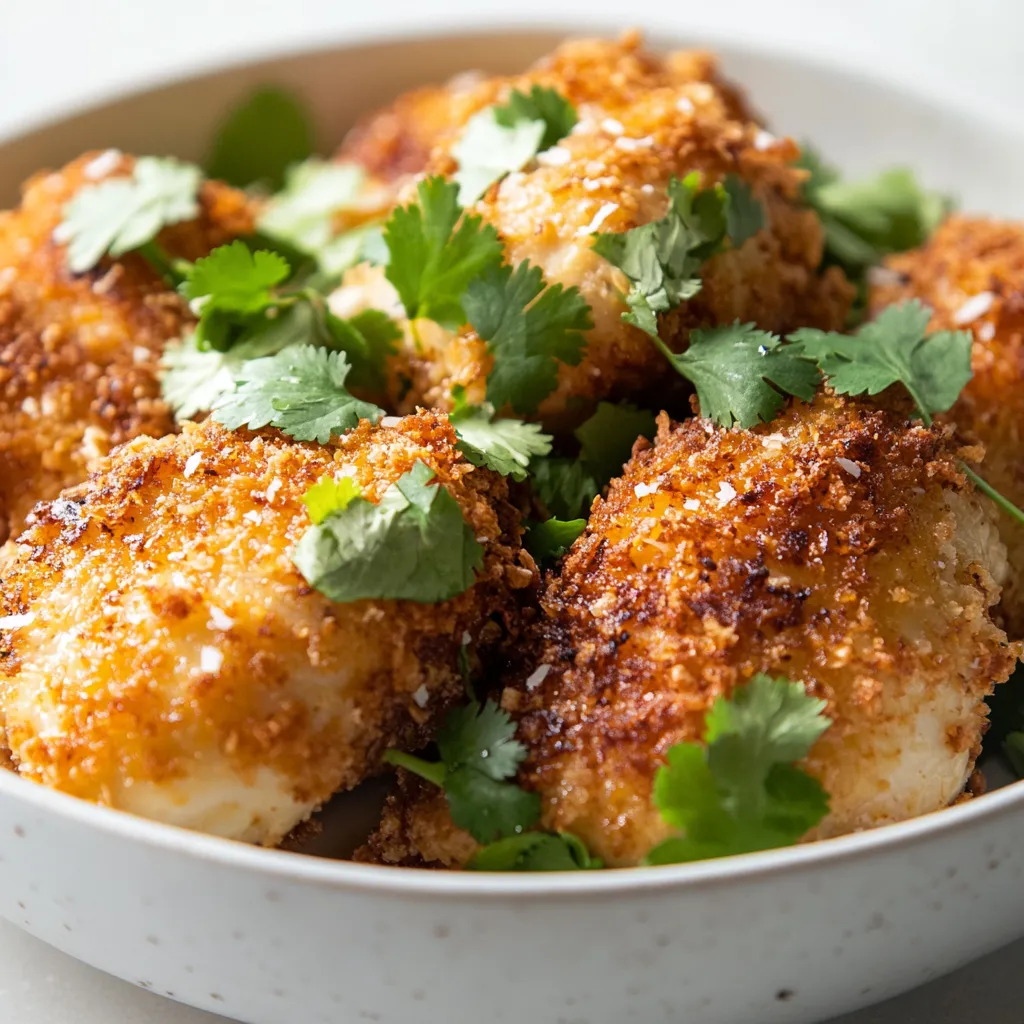
Coconut Chicken Delight is a vibrant and tantalizing dish that brings the tropical essence of coconut to the table. Featuring succulent boneless, skinless chicken thighs enveloped in a crunchy, coconut-infused crust, this recipe presents a harmonious blend of flavors and textures. The creamy coconut milk marinade imparts a rich depth of flavor, while the shredded coconut coating provides an irresistible crunch. This mouthwatering dish is not only a feast for the palate but also a visual delight, making it an excellent choice for family dinners, casual gatherings, or special occasions.
One of the most appealing aspects of Coconut Chicken Delight is its combination of aromatic spices and the sweetness of coconut. Each bite delivers a burst of flavor that is both comforting and exotic. Served alongside fluffy jasmine rice or a crisp, fresh salad, this dish is bound to impress. Whether you’re looking to explore tropical cuisine or simply seeking a new family favorite, Coconut Chicken Delight is sure to become a regular favorite at your dinner table.
Recipe Overview
– Total Time: 1 hour
– Prep Time: 30 minutes
– Yield/Servings: 4 servings
– Difficulty: Not specified in the recipe
Coconut Chicken Delight is a straightforward recipe that combines easily accessible ingredients, making it an inviting choice for both novice cooks and experienced chefs. The use of coconut milk and unsweetened shredded coconut is central to the dish, adding a unique flavor profile and rich creaminess that complements the chicken perfectly.
Ingredients
Main Ingredients
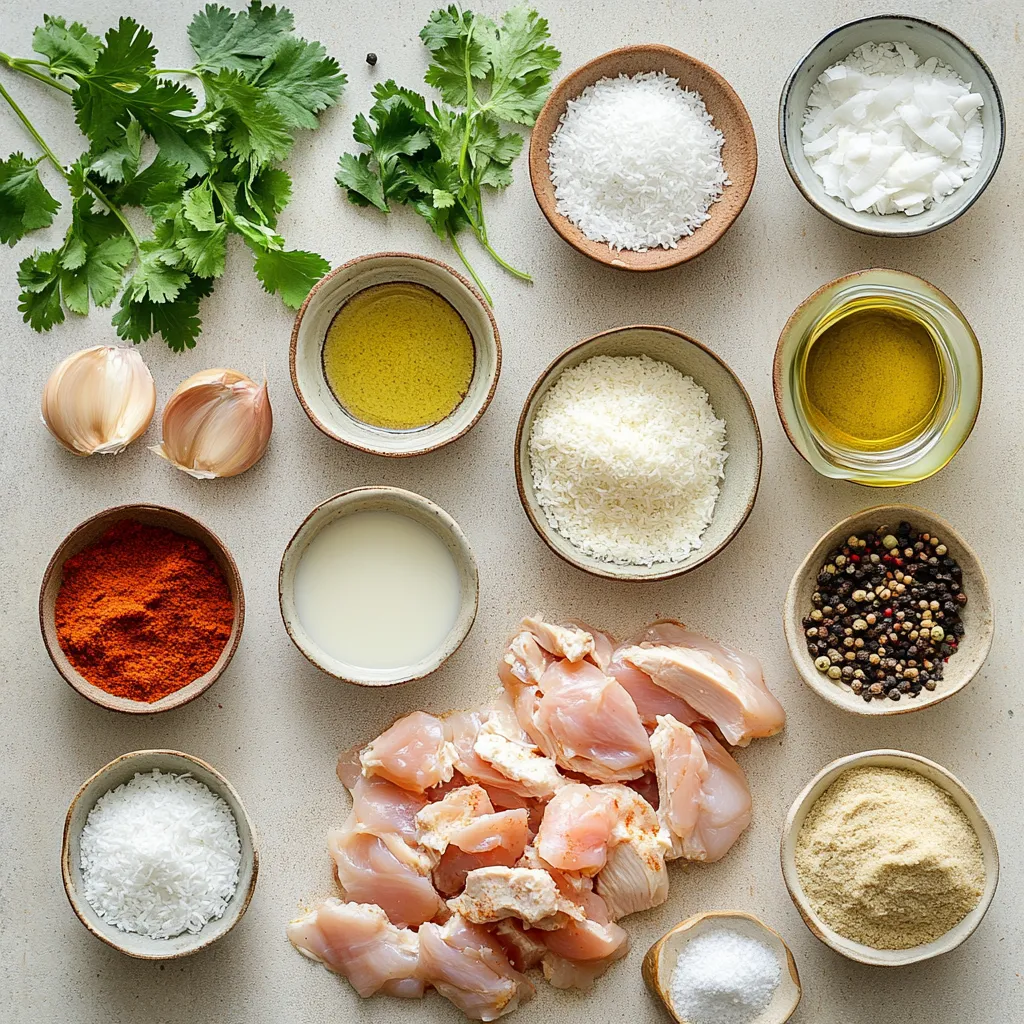
– 1 lb boneless, skinless chicken thighs
– 1 cup coconut milk
– 1/2 cup unsweetened shredded coconut
Dry Ingredients
– 1/4 cup all-purpose flour
– 2 tablespoons cornstarch
– 1 teaspoon garlic powder
– 1 teaspoon onion powder
– 1 teaspoon paprika
– 1/2 teaspoon salt
– 1/2 teaspoon black pepper
– 1/2 teaspoon cayenne pepper (optional for heat)
Cooking Ingredients
– 2 tablespoons vegetable oil (for frying)
Garnishing Ingredients
– Fresh cilantro or parsley for garnish
Instructions
1. Marinate the Chicken: In a medium mixing bowl, whisk together the coconut milk, garlic powder, onion powder, paprika, salt, black pepper, and cayenne pepper (if using). Add the chicken thighs to the bowl, ensuring each piece is thoroughly coated in the marinade. Cover the bowl with plastic wrap and refrigerate for at least 30 minutes, or up to 2 hours for enhanced flavor.
2. Prepare the Coating: In a shallow dish, combine the all-purpose flour and cornstarch, mixing well. On a separate plate, spread out the shredded coconut for easy access.
3. Coat the Chicken: After marinating, remove the chicken thighs from the coconut milk mixture, allowing any excess marinade to drip off. First, dredge each thigh in the flour-cornstarch mixture, then dip it back into the coconut milk, and finally coat it with shredded coconut. Press the coconut gently onto the chicken to ensure it adheres well.
4. Heat the Oil: In a large skillet, pour in the vegetable oil and heat it over medium heat. To test if the oil is ready, drop a small piece of the coating into the oil; if it sizzles, the oil is hot enough to fry.
5. Fry the Chicken: Carefully place the coated chicken thighs into the hot oil, making sure not to overcrowd the skillet. Fry each piece for about 5-7 minutes on each side, or until they are golden brown and cooked through (the internal temperature should reach 165°F). Adjust the heat as necessary to prevent the coconut from burning.
6. Drain and Serve: Once the chicken is cooked, transfer it to a plate lined with paper towels to absorb any excess oil. Garnish the chicken with fresh cilantro or parsley for a pop of color and freshness.
7. Enjoy: Serve the coconut chicken hot alongside a bed of fluffy jasmine rice or a crisp, fresh salad for a delightful and flavorful meal!
The Importance of Marinating
Marinating the chicken thighs is a crucial step in creating a tender and flavorful Coconut Chicken Delight. This process allows the chicken to absorb the rich and aromatic spices mixed into the coconut milk, enhancing the overall taste of the dish. The acidity and creaminess of the coconut milk not only infuse flavor but also work to tenderize the meat, ensuring that each bite is juicy and succulent.
Flavor Development
The marinade plays a vital role in developing the dish’s flavor profile. The combination of garlic powder, onion powder, paprika, salt, and spices creates a robust base that seeps into the chicken. As the meat absorbs these flavors during the marinating process, it transforms into a delectable centerpiece that excels in taste. Allowing the chicken to marinate for a minimum of 30 minutes (or up to 2 hours) significantly enhances the depth of flavor, making each bite a delightful experience.
Texture Improvement
In addition to flavor enhancement, marinating also improves the texture of the chicken. The coconut milk helps to moisturize the meat, preventing it from becoming dry during cooking. This is especially important when frying, as the quick cooking method can easily lead to dry chicken if not properly marinated. The combination of marinating and frying results in a tender interior with a crisp outer layer, offering a satisfying contrast that delights both the palate and the senses.
Preparing the Coating
Getting the coating just right is essential for achieving that perfect crunch and golden-brown appearance. This process begins with the preparation of a few dry ingredients and is followed by the application of the coconut coating, which gives Coconut Chicken Delight its signature texture.
Mixing Dry Ingredients
To prepare the coating, start by combining the all-purpose flour and cornstarch in a shallow dish. Mixing these two ingredients effectively creates a base that not only helps the coconut adhere to the chicken but also contributes to creating a crispy texture when fried. The cornstarch plays a pivotal role in achieving that desired crunch, making it a key component of the coating mix.
Structuring the Coconut Coating
Shredded coconut is the star of the coating process, bringing both flavor and texture to the chicken. When selecting unsweetened shredded coconut, it’s important to choose a variety that is finely shredded, as this allows for better adherence to the chicken thighs. The coconut coating contributes a slightly sweet, nutty flavor while providing an appealing crunch that balances the richness of the coconut milk. This step is essential for achieving the signature look and taste of Coconut Chicken Delight, making it visually appealing as well as delicious.
As you prepare to coat your marinated chicken, ensure that each piece is perfectly layered in the coconut for optimal crunch and flavor before moving on to the frying step.
Ensuring Adherence
To ensure that the coconut coating adheres effectively to the chicken, several proactive techniques can be employed. First, allowing the chicken to marinate in the coconut milk mixture facilitates a thorough flavor infusion while contributing to a moist surface conducive to coating. After marinating, let the excess marinade drip off; this step is crucial as it prevents too much moisture from interfering with the adherence of the flour-cornstarch blend. Additionally, when applying the shredded coconut, press down gently on the surface to ensure a secure bond. This method not only enhances adherence but also contributes to an even coating that promotes a beautiful golden-brown crust during frying.
Heating the Oil
Heating oil appropriately is key to achieving a crisp and evenly fried chicken with a beautiful coconut crust.
Choosing the Right Oil
In this recipe, vegetable oil is preferred for frying due to its high smoke point, which typically hovers around 400°F (204°C). This property ensures that the oil can be heated sufficiently without breaking down, thereby preventing unwanted flavors or harmful compounds from developing. Moreover, vegetable oil has a neutral taste, allowing the coconut chicken’s flavors to shine without interference.
Testing Oil Temperature
To determine whether the oil is at the right temperature for frying, a simple yet effective method is to drop a small piece of the flour-cornstarch mixture into the oil. If it sizzles immediately, this indicates that the oil is hot enough. Alternatively, a kitchen thermometer can be used to check the temperature—ideally, you should aim for around 350°F (177°C) to 375°F (191°C) for frying.
Frying the Chicken
Frying is a delicate process that requires careful attention to ensure that the chicken thighs are perfectly cooked with a deliciously crunchy exterior.
Frying Technique
Placing the chicken in the oil must be done carefully to prevent splattering and ensure an even cook. Begin by lowering the chicken thighs slowly into the oil from the edge of the skillet, allowing them to submerge gently rather than dropping them abruptly. This technique minimizes splatter and maintains a consistent frying temperature.
Cooking Time
Cooking time is critical for achieving chicken that is both safely cooked and optimally crispy. Each piece of chicken should fry for approximately 5-7 minutes on each side, depending on the thickness. It is important to monitor the oil temperature and adjust the heat to avoid burning the coconut coating while ensuring that the chicken reaches an internal temperature of 165°F (74°C). Utilizing a meat thermometer can help in accurating checking the doneness.
Draining and Serving
Once the chicken is perfectly fried, proper techniques for draining and serving will enhance the overall enjoyment of the dish.
Importance of Draining
To achieve the desired crispy texture, it is essential to drain the excess oil after frying. Toppling the freshly fried chicken onto a plate lined with paper towels absorbs any residual oil, preventing a greasy finish. This step ensures that the coconut coating remains crunchy, contributing to a delightful eating experience.
Garnishing Notes
For a visually appealing finish, garnishing the fried chicken with fresh cilantro or parsley provides vibrant color and a hint of freshness that balances the richness of the fried coconut. Chopping the herbs finely and scattering them atop the chicken can elevate the dish both in aesthetics and flavor.
Suggested Side Dishes
Pairing Coconut Chicken Delight with the right side dishes elevates the meal experience, complementing the rich flavors of the chicken.
Fluffy Jasmine Rice
Fluffy jasmine rice is an excellent accompaniment, as its subtle nuttiness pairs well with the creamy coconut flavor. The aromatic quality of jasmine rice enhances the tropical theme of the dish, serving as a perfect canvas to soak up any extra coconut milk or juices.
Fresh Salad Options
For a refreshing contrast, consider serving a bright, crisp salad alongside the chicken. Options like a simple green salad with mixed greens, cucumbers, and light vinaigrette, or a tropical fruit salad featuring mango, pineapple, and mint, both enhance the meal’s freshness while balancing the richness of the chicken.
Presentation Tips
Making Coconut Chicken Delight visually appealing can transform the dish into an impressive centerpiece.
Using Additional Coconut
Sprinkling extra shredded coconut over the chicken just before serving not only enhances the visual appeal but reinforces the coconut flavor. This additional garnish can also provide a delightful texture that pairs wonderfully with the crunchy crust.
Adding Zesty Components
Incorporating lime wedges into the presentation not only adds a pop of color but also invites diners to enhance their bites with a splash of citrus. The acidity of lime cuts through the richness of the fried chicken, brightening the overall flavor profile of the dish.
Storing and Reheating
Proper storage and reheating are essential to maintain the quality and texture of Coconut Chicken Delight.
Storage Methods
To store leftover chicken, allow it to cool to room temperature before transferring it to an airtight container. It is advisable to separate the chicken from any sauce or rice to maintain crispness. Refrigerate the chicken for up to 3 days, ensuring no moisture seeps into the container, which could affect the crispiness.
Reheating Techniques
When reheating, the goal is to restore the crunch while keeping the chicken moist. The best method is to preheat an oven to 375°F (190°C) and place the chicken on a baking sheet lined with parchment paper. Heat for approximately 10-15 minutes, flipping halfway to ensure even warming. This method helps to revive the crispiness of the coconut coating, making the chicken taste freshly cooked.
Conclusion
Coconut Chicken Delight presents a wonderful combination of juicy, tender chicken enveloped in a crispy, coconut-flavored coating. With a preparation time of about 30 minutes and total cooking time of around one hour, this dish stands out for both its flavor and texture. Its beautiful presentation, enhanced by garnishes and complementary side dishes, makes it a delightful option for any occasion.
Coconut Chicken Delight Recipe With Flavorful Coconut Coating
Ingredients
- 1 lb boneless skinless chicken thighs
- 1 cup coconut milk
- ½ cup unsweetened shredded coconut
- ¼ cup all-purpose flour
- 2 tablespoons cornstarch
- 1 teaspoon garlic powder
- 1 teaspoon onion powder
- 1 teaspoon paprika
- ½ teaspoon salt
- ½ teaspoon black pepper
- ½ teaspoon cayenne pepper
- 2 tablespoons vegetable oil
- fresh cilantro or parsley for garnish
Instructions
-
Marinate the chicken in coconut milk and spices for at least 30 minutes.
-
Combine flour and cornstarch in a shallow dish.
-
Dredge marinated chicken in the flour mixture, dip in coconut milk, and coat with shredded coconut.
-
Heat vegetable oil in a skillet over medium heat.
-
Fry the chicken for 5-7 minutes on each side until golden brown.
-
Transfer cooked chicken to paper towels to drain excess oil.
-
Garnish with fresh cilantro or parsley before serving.
-
Serve hot with jasmine rice or salad.