
Introduction
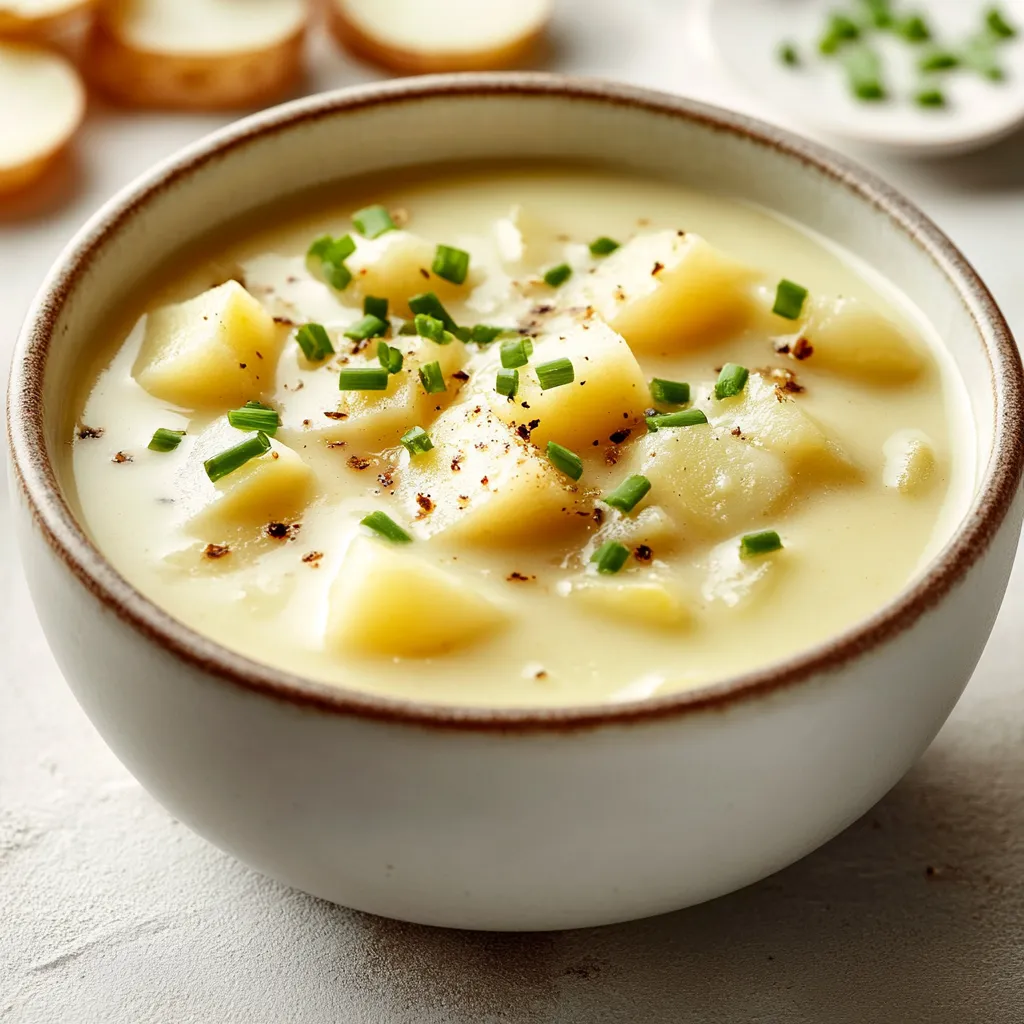
Exploring the world of comforting dishes, this hashbrown potato soup stands out as a true soul-warming recipe, perfect for gatherings or cozy dinners. The rich combination of diced russet potatoes and frozen hashbrowns creates a delightful texture that is both creamy and satisfying. Each bite envelops you in a wave of warmth, making it an ideal dish for chilly evenings or when you need a little extra comfort.
This soup not only captivates with its flavors but also offers simplicity in preparation. The blend of aromatic onions and garlic sautéed in olive oil enhances the dish’s overall appeal, creating a fragrant base that greets you as soon as you step into the kitchen. The use of heavy cream—or coconut cream for those seeking a dairy-free alternative—adds a rich, velvety finish that complements the potatoes beautifully. Dive into an exploration of flavors, textures, and the heartwarming comfort that this hashbrown potato soup brings.
Recipe Overview
– Prep Time: Not specified in the recipe
– Cook Time: Not specified in the recipe
– Total Time: Not specified in the recipe
– Course: Not specified in the recipe
– Cuisine: Not specified in the recipe
– Servings: Not specified in the recipe
– Calories: Not specified in the recipe
Ingredients
– 4 medium russet potatoes, peeled and diced into small cubes
– 1 cup frozen hashbrowns
– 1 medium onion, finely chopped
– 3 cloves garlic, minced
– 4 cups vegetable broth (low-sodium preferred)
– 1 cup heavy cream (or substitute with coconut cream for a dairy-free option)
– 1 teaspoon dried thyme
– Salt and freshly ground black pepper, to taste
– 2 tablespoons extra virgin olive oil
– Fresh chives, finely chopped for garnish
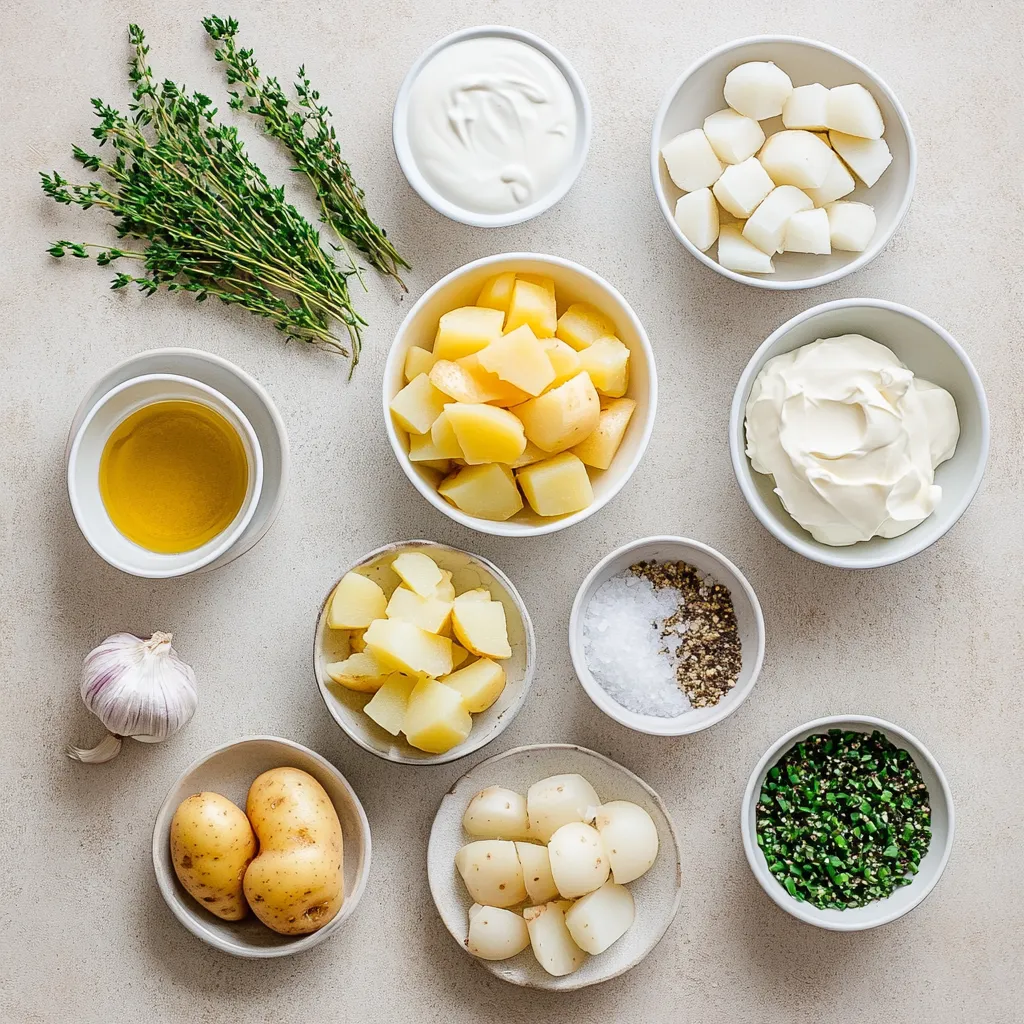
The ingredients for this comforting hashbrown potato soup emphasize wholesome and hearty components. Using medium russet potatoes adds substance, as they provide a light, fluffy texture when cooked. The incorporation of frozen hashbrowns offers convenience without compromising on flavor. Fresh chopped onions and minced garlic create an aromatic base that elevates the soup’s overall profile. The choice of vegetable broth ensures that the soup remains comforting while still being suitable for a variety of diets.
When it comes to the creaminess of the soup, heavy cream is a classic choice; however, substituting it with coconut cream allows the dish to cater to those with dietary restrictions while maintaining a luxurious texture. The addition of dried thyme brings a hint of earthiness, and the seasoning of salt and freshly ground black pepper rounds out the flavor beautifully. Lastly, garnishing with fresh chives not only adds a touch of color but also delivers an oniony freshness that contrasts nicely with the rich soup.
Instructions
1. In a large pot, heat the olive oil over medium heat. Once hot, add the chopped onion and sauté for about 5 minutes, or until the onion becomes soft and translucent.
2. Add the minced garlic to the pot, stirring continuously for another minute until the garlic releases its fragrant aroma.
3. Incorporate the diced potatoes and frozen hashbrowns into the pot, followed by the dried thyme. Cook for an additional 2-3 minutes, ensuring to stir occasionally to prevent sticking.
4. Carefully pour in the vegetable broth and increase the heat to bring the mixture to a rolling boil. Once boiling, reduce the heat to a gentle simmer. Allow the soup to cook until the potatoes are fork-tender, roughly 15-20 minutes.
5. Using an immersion blender, blend the soup until it reaches a smooth consistency. If you prefer a chunkier texture, blend only half of the soup and leave the rest as is.
6. Stir in the heavy cream, mixing well to combine. Season with salt and freshly ground black pepper to taste. Allow the soup to heat through for an additional 5 minutes, stirring occasionally.
7. Serve the soup hot, garnished with a sprinkle of fresh chives for a burst of color and flavor.
Cooking Method
The cooking method for this hashbrown potato soup emphasizes efficiency and simplicity, allowing even novice cooks to produce a satisfying meal. The order of ingredients is crucial; sautéing the onions and garlic first releases their essential oils and flavors, setting a robust base for the soup. Cooking these aromatics until they are soft and translucent draws out their natural sweetness and enhances the soup’s overall taste.
Following the sautéing, adding the diced potatoes and frozen hashbrowns offers an immediate infusion of texture. Maintaining a careful eye on the cooking process—particularly while bringing the broth to a boil—ensures that the potatoes will become fork-tender without overcooking. Utilizing an immersion blender offers versatility; blending the soup completely yields a creamy texture, while partial blending can create a heartier feel that retains some potato chunks, providing contrast in mouthfeel.
The additional step of stirring in heavy cream towards the end of cooking adds richness that makes the soup indulgent. Balancing the seasoning with salt and freshly ground black pepper is essential, as it elevates the dish while allowing the natural flavors of each ingredient to shine.
Preparing the Base
When preparing the base of this soup, cutting the onion correctly is paramount. Aim for a fine dice to ensure even cooking and distribution throughout the soup. A well-chopped onion not only adds flavor but also contributes to the texture, creating a silky base that melds beautifully with the other ingredients.
Sautéing the onion in olive oil allows for optimal flavor release. Start with medium heat, allowing the onion to soften gradually; this process caramelizes the sugars, resulting in a pleasant, sweet undertone. Adding the minced garlic just before introducing the other ingredients enhances the aromatic quality of the soup, making it even more enticing.
The role of garlic cannot be overstated in enhancing flavor profiles. Its pungent qualities infuse the base with depth and complexity, complementing the starchy potatoes and rich cream, resulting in a harmonious blend of flavors that lingers pleasantly on the palate.
Potato Preparation
Choosing the right type of potato is essential for achieving the ideal texture in this hashbrown potato soup. Russet potatoes are a standout choice due to their high starch content, which contributes to a light and fluffy end product. They break down beautifully during cooking, creating a smooth, comforting soup.
Peeling and dicing russet potatoes efficiently can be made easier with sharp knives and a sturdy cutting board. Aim for uniform cubes to ensure even cooking; this is key to achieving fork-tender pieces that enhance the soup’s overall texture. As they cook in the broth, they absorb flavors, enriching the final dish.
Timely cooking is also crucial. Monitoring the cooking process strictly ensures that the potatoes reach the desired fork-tender state without becoming mushy. This careful attention allows the potatoes to maintain their structural integrity while contributing their fullness to the soup’s body.
Explanation of Dried Thyme’s Role in Flavor Development
Dried thyme is a key herb that enhances the overall profile of hashbrown potato soup. Its earthy notes contribute a subtle depth of flavor, balancing out the creaminess of the soup and the richness of the potatoes. Thyme brings a savory element that complements and synergizes with the garlic and onions, creating a symphony of taste. The aroma of thyme transforms the cooking process while the soup simmers, inviting warmth and comfort into the kitchen. As an herb that stands up well to cooking, dried thyme maintains its integrity and essence throughout the simmering process, ensuring it doesn’t lose character as some fresh herbs might.
Discussing the Balance of Salt and Pepper
The addition of salt and freshly ground black pepper in hashbrown potato soup is crucial for achieving optimal flavor. Salt acts as an enhancer, bringing all the ingredients together and allowing their natural flavors to shine. Freshly ground black pepper adds a hint of heat and complexity, which can elevate the dish from ordinary to extraordinary. It’s essential to strike the right balance; too much salt can overpower the other flavors, while too little can leave the soup feeling bland. Start with the recommended amounts and adjust seasonally as needed based on your personal palate.
Adjusting Seasonings According to Taste Preferences
One of the great aspects of cooking at home is the ability to customize dishes according to your taste preferences. As the soup simmers, take the time to taste and adjust the seasonings. You might find that a little extra thyme adds a lovely depth, or perhaps a dash of extra pepper enhances the soup just the right amount. For those who enjoy a kick, adding red pepper flakes or a dash of hot sauce can bring an exciting level of heat to your bowl. Remember, season gradually; you can always add more, but it’s challenging to correct an overly seasoned dish.
Blender Techniques
Using an Immersion Blender vs. Traditional Blender: Pros and Cons
When it comes to blending your soup, there are two primary options: immersion blenders and traditional blenders. An immersion blender allows for easy blending directly in the pot, which minimizes cleanup and reduces the risk of splatter. It gives you control over the texture; you can blend to your desired creaminess right in the cooking vessel. However, if you prefer a completely smooth finish, a traditional blender may be your preferred choice. Just remember to blend in batches to avoid overflow and be cautious of heat.
Achieving the Desired Consistency: Tips and Tricks
The desired consistency of your hashbrown potato soup greatly impacts the overall experience. For a velvety and uniform texture, blend the soup until completely smooth. If you enjoy some chunks for texture, consider blending only half or using a potato masher to leave some pieces whole. As you blend, keep in mind that the soup will thicken slightly as it cools, so ensure you aren’t blending excessively to maintain that comforting soup texture.
How to Customize the Soup’s Texture Based on Preference
If you find yourself favoring a thicker consistency, you may add more potatoes or even incorporate a cornstarch slurry during the cooking process. For a lighter soup, you can consider using more broth or less potato. Each alteration creates a unique bowl tailored to your liking, perfect for adjusting as the seasons change or based on personal preference.
Adding Cream
The Role of Heavy Cream in Achieving Richness
Heavy cream plays a vital role in creating a luxurious texture in hashbrown potato soup. The cream adds a layer of richness that enhances the soup’s overall mouthfeel and complements the potatoes. It provides a satisfying thickness that contrasts beautifully with the soft potato cubes and harmonizes the flavors throughout the dish. This addition makes the soup feel cozy and indulgent, turning a simple recipe into something special.
Alternatives for Dairy-Free Options: Coconut Cream Explained
For those who prefer a dairy-free version, coconut cream serves as an excellent alternative. It offers similar richness and body to the soup while providing a unique twist with its subtle coconut flavor. When incorporating coconut cream, be mindful of the amount, as its flavor can be stronger than heavy cream. Adjust according to taste for a creamy and satisfying result that aligns with your dietary needs without compromising on taste.
Tips for Incorporating Cream Without Curdling
To ensure a smooth blend when adding cream, incorporate it gradually and mix well. Add it towards the end of cooking after the soup has been blended, allowing it to heat gently without boiling. High heat can cause the cream to curdle, ruining the desired creamy consistency. Stirring continuously while adding cream also helps emulsify the ingredients smoothly, ensuring a delightful spoonful every time.
Presentation Ideas
Importance of Garnishes: How Chives Elevate the Dish
Garnishes do more than add visual appeal; they can elevate the entire dish. Fresh chives, finely chopped and sprinkled atop the soup, provide a colorful contrast to the creamy base, enhancing its presentation and adding a burst of flavor. Chives contribute a mild onion taste, which complements the other ingredients flawlessly while offering a pop of freshness.
Creative Serving Suggestions: Bowls vs. Rustic Presentation
When it comes to serving hashbrown potato soup, consider using rustic bowls that evoke a homey feel. These bowls not only enhance the dish’s comfort food qualities, but they also offer charm that will impress guests. Additionally, drizzling a little extra olive oil on top or serving the soup with an artisan bread side can create an inviting presentation that highlights the soup’s rich flavors while maintaining an aspect of simplicity.
Pairing Recommendations: Ideal Bread or Sides to Accompany the Soup
To complete the meal effectively, consider serving your soup with crusty bread or warm rolls. A hearty sourdough is particularly well-suited, as its crust can stand up to the rich soup while absorbing juices and flavors. Simple side salads or roasted vegetables can also complement the dish well, nonetheless ensuring the focus stays on the delightful hashbrown potato soup itself.
Serving Suggestions
Portion Sizes and Recommended Servings
While exact serving sizes may vary based on individual appetites, a bowl that holds around 1 to 1.5 cups of soup is generally recommended. This portion size allows guests to enjoy a fulfilling amount without overwhelming them. Adjusting for larger gatherings or smaller appetites can easily be done by doubling the recipe or reducing by half, enabling flexibility for various occasions.
Best Practices for Serving Hot Soup
Serving soup at the proper temperature enhances the flavors and overall dining experience. Keep the soup heated in the pot until ready to serve, and ladle it into bowls just before serving to maintain warmth. If preparing in advance, consider reheating the soup gently on the stove, stirring frequently to prevent sticking.
Enhancing Flavors Through Toppings and Sides
Enhancing your bowl of soup can be achieved through simple toppings like additional chives, shredded cheese or even a dollop of sour cream. Each adds a new element to the dish, enriching the experience. Sides, such as pickled vegetables or a fresh salad, can also elevate the meal by introducing crunch or acidity, balancing the comfort of the soup.
Cooking Tips and Tricks
Time-Saving Techniques Throughout the Recipe
There are numerous ways to streamline the cooking process. Prepping your ingredients beforehand can save time and reduce stress while cooking. Consider chopping the onions and garlic the night before or purchasing pre-chopped vegetables to expedite the cooking process. Using frozen hashbrowns not only saves time but also cuts down on additional washing and peeling.
Common Mistakes to Avoid While Making Soup
One frequent mistake is not adequately sautéing onions or garlic, which can leave raw notes in the soup. Ensure you allow these ingredients to soften and caramelize slightly, enriching their flavors before adding potatoes. Also, avoid overcooking the potatoes, as they can become mushy and lose their shape, affecting texture.
How to Store Leftovers for Future Meals
Leftover soup can be stored in airtight containers. It retains its best quality for up to three days in the refrigerator. For longer preservation, consider freezing portions, where the soup can last for several months. When reheating, add a splash of vegetable broth or water to loosen the consistency if it thickens excessively during storage.
Conclusion
This comforting hashbrown potato soup offers a delightful blend of creamy textures and rich flavors, perfect for any occasion. With straightforward steps and easily accessible ingredients, it is a dish that not only warms the body but also nourishes the soul. Whether enjoyed alone or with company, it is a satisfying meal that is destined to become a staple in your culinary repertoire.

Comforting Hashbrown Potato Soup to Warm Your Soul
Ingredients
- 4 medium russet potatoes peeled and diced
- 1 cup frozen hashbrowns
- 1 medium onion finely chopped
- 3 cloves garlic minced
- 4 cups vegetable broth
- 1 cup heavy cream
- 1 teaspoon dried thyme
- to taste salt
- to taste freshly ground black pepper
- 2 tablespoons extra virgin olive oil
- to taste fresh chives finely chopped for garnish
Instructions
- Heat olive oil in a large pot over medium heat.
- Add chopped onion and sauté for about 5 minutes until soft.
- Stir in minced garlic and cook for another minute.
- Add diced potatoes and frozen hashbrowns, then dried thyme; cook for 2-3 minutes.
- Pour in vegetable broth and bring to a boil, then reduce to a simmer for 15-20 minutes.
- Blend the soup until smooth, or leave some chunks if preferred.
- Stir in heavy cream and season with salt and pepper to taste.
- Heat through for an additional 5 minutes, stirring occasionally.
- Serve hot, garnished with fresh chives.