
Introduction
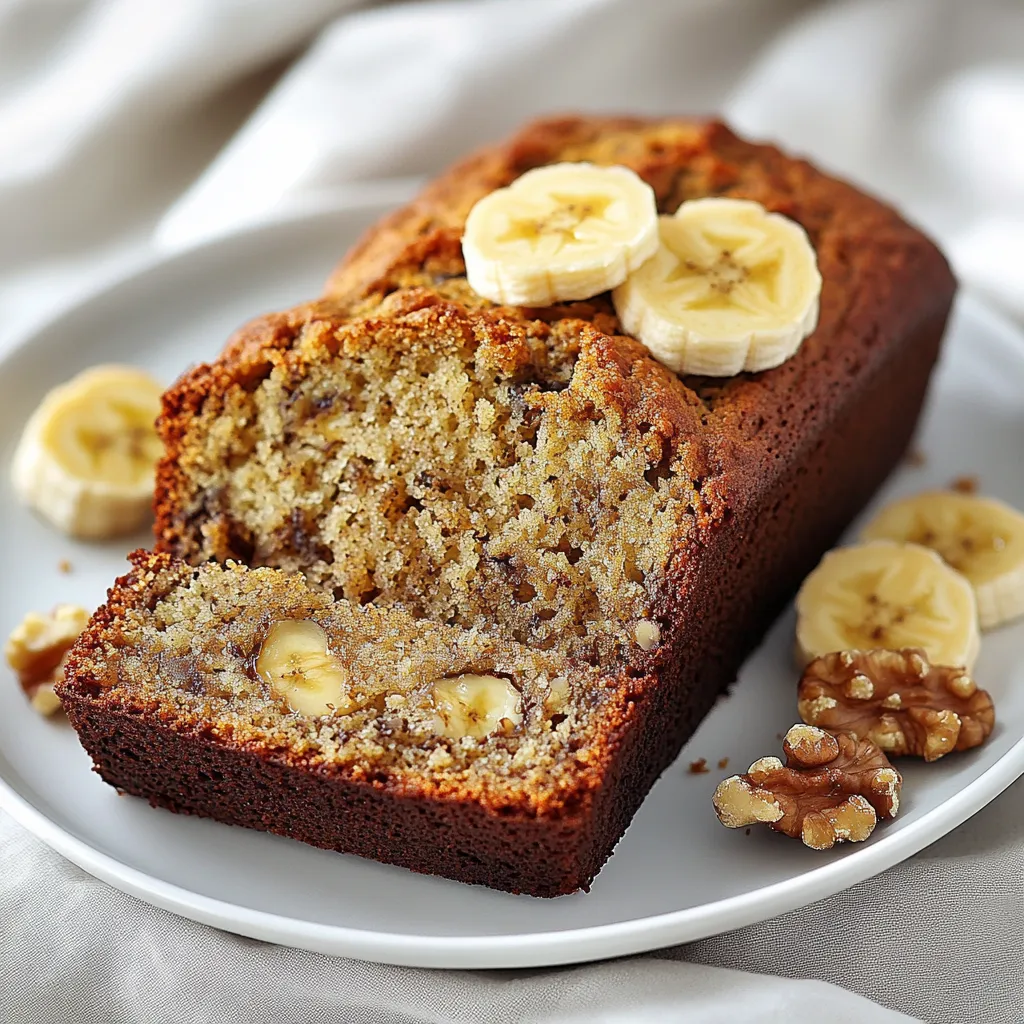
Banana bread has long been a cherished comfort food, often associated with cozy mornings filled with delightful aromas that fill the kitchen, creating the perfect setting for a relaxed start to the day. This beloved recipe stands the test of time, evoking feelings of nostalgia for many who have enjoyed a warm slice straight from the oven. Its history traces back to the Great Depression, a time when households sought to maximize every ingredient, leading to the ingenious creation of banana bread, a simple yet satisfying use of overripe bananas.
With its soft, moist texture and sweet, rich flavor, banana bread has grown in popularity over the years, making it a staple in many kitchens around the world. What makes this Cozy Morning Banana Bread even more special is its adaptability; it can be made to suit various taste preferences with the addition of ingredients like nuts or chocolate chips. Perfect for breakfast, an afternoon snack, or even dessert, this recipe exudes warmth and happiness, ensuring it will have a cherished place in your recipe rotation.
Recipe Overview
– Total Time: 1 hour 15 minutes
– Yield/Servings: 8-10 slices
– Difficulty: Not specified in the recipe
This Cozy Morning Banana Bread is incredibly simple to prepare, making it an ideal choice for both novice bakers and seasoned pros. Utilizing ripe bananas not only enhances the sweetness but also contributes to the overall flavor and moisture of the bread. You can customize the recipe with the optional ingredients of chopped walnuts or semi-sweet chocolate chips, giving you the flexibility to create a banana bread that suits your taste perfectly.
Ingredients
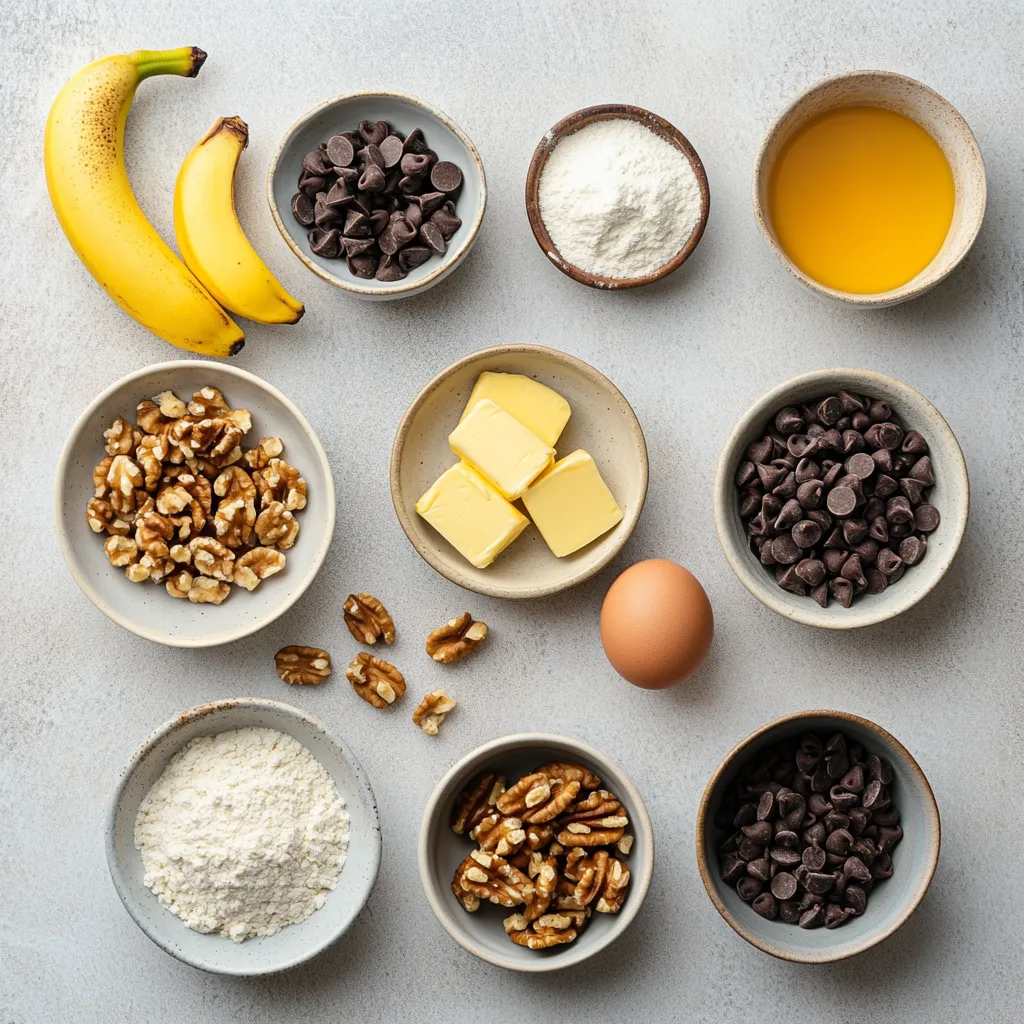
– 3 ripe bananas, thoroughly mashed
– 1/3 cup unsalted butter, melted
– 1 teaspoon baking soda
– A pinch of salt
– 3/4 cup granulated sugar (or reduce to 1/2 cup for a less sweet option)
– 1 large egg, beaten until frothy
– 1 teaspoon pure vanilla extract
– 1 cup all-purpose flour
– Optional: 1/2 cup chopped walnuts or semi-sweet chocolate chips
Ripe Bananas
Choosing ripe bananas is key to achieving the best banana bread. Look for bananas that are deep yellow with brown spots, as these are the sweetest and provide the richest flavor. The riper the banana, the more natural sugars it contains, which can enhance the sweetness of your banana bread without having to add as much sugar. This ensures a delectable final product that is moist, flavorful, and perfectly tender.
Unsalted Butter
Using melted unsalted butter in this recipe plays an essential role in enhancing the flavor and creating a rich, moist loaf. Unsalted butter allows you to control the saltiness of your bread, which is especially important as a pinch of salt is already included in the recipe. Should you wish to make this banana bread dairy-free, consider using a plant-based butter alternative, though this might slightly alter the flavor profile.
Baking Soda
Baking soda is a crucial leavening agent that helps the banana bread rise, creating a light and airy texture. In combination with the acidic components of ripe bananas and the added salt, baking soda works to produce bubbles of carbon dioxide that cause the bread to rise as it bakes. This ingredient is vital for achieving the desired fluffy consistency, ensuring each slice is light and enjoyable.
Granulated Sugar
The recipe calls for 3/4 cup granulated sugar, although there is the option to reduce it to 1/2 cup for those who prefer a less sweet treat. Adjusting the sugar not only impacts the overall sweetness but also affects the moistness of the bread. Less sugar may lead to a slightly drier product; however, the ripe bananas provide a natural sweetness that can compensate for this adjustment.
Eggs and Vanilla Extract
The large egg, beaten until frothy, serves a dual purpose in the recipe. It provides necessary moisture and acts as a binding agent, helping to integrate and stabilize the batter. The inclusion of pure vanilla extract introduces a wonderful flavor depth, complementing the sweetness of the bananas beautifully. Using pure vanilla, rather than imitation or flavored extracts, ensures an authentic taste that enhances the overall profile of the banana bread.
All-Purpose Flour
All-purpose flour is the traditional choice for banana bread, providing the necessary structure to the loaf. This type of flour strikes a perfect balance of protein content, which is essential for gluten formation. Proper gluten development contributes to the chewiness and stability of the banana bread. When adding the flour, it’s vital to mix gently to avoid overworking the dough, which can lead to a dense final product.
Optional Mix-ins
Incorporating chopped walnuts or semi-sweet chocolate chips is entirely optional but can add exciting flavor and texture variations to your banana bread. Walnuts provide a delightful crunch and nutty flavor, while chocolate chips introduce a touch of sweetness, making every bite intriguing. The choice to include these mix-ins allows for personal customization, resulting in a unique loaf tailored to your preferences.
Instructions
1. Preheat your oven to 350°F (175°C). Prepare a 4×8 inch loaf pan by greasing it lightly with butter or non-stick spray.
2. In a medium-sized mixing bowl, mash the ripe bananas using a fork until they achieve a smooth consistency. Stir in the melted butter until well combined.
3. Add the baking soda and a pinch of salt to the banana mixture, and stir to incorporate. Next, mix in the granulated sugar, beaten egg, and vanilla extract until everything is evenly combined.
4. Gradually add the all-purpose flour to the wet ingredients, stirring gently until just combined. Take care not to overmix; it’s perfectly fine to have a few small lumps in the batter.
5. If you wish, fold in the chopped walnuts or chocolate chips at this stage for an extra layer of flavor and texture.
6. Pour the banana bread batter into the prepared loaf pan, using a spatula to smooth the top evenly.
7. Bake in the preheated oven for 60-65 minutes. Check for doneness by inserting a toothpick into the center; it should come out clean when the bread is finished baking.
8. Once baked, let the banana bread cool in the pan for about 10 minutes. Afterward, carefully transfer it to a wire rack to cool completely.
The process of making Cozy Morning Banana Bread is straightforward and approachable, allowing even those newer to baking to create a delicious treat that fills the home with an irresistible aroma. In the next section, we will delve into the preparation steps, discussing each part in detail to ensure a perfect loaf every time.
Pouring the Batter
Transferring the banana bread batter into the loaf pan requires a careful yet simple technique to ensure an even distribution without deflating the mixture. Using a spatula, gently scoop the batter from the mixing bowl. Aim to pour it towards the center of the prepared loaf pan, as this technique helps the batter spread uniformly. Tilt the pan slightly, if necessary, allowing the batter to settle into the corners. Make sure to scrape out any remaining batter from the bowl to maximize your loaf’s yield.
Smoothing the Top
Smoothing the top of the batter in the loaf pan is an essential step for achieving even baking. An even surface promotes consistent heat distribution, helping the loaf rise uniformly without creating uneven peaks or dips. This not only enhances the visual appeal of the finished loaf but also ensures that every slice cooks evenly and maintains a pleasing texture.
Baking the Banana Bread
Baking banana bread is where the magic truly happens, transforming simple ingredients into a beautifully risen loaf. It’s important to maintain the correct oven temperature, as a too-hot oven can cause the bread to brown on the outside while remaining undercooked inside, and an oven that’s not hot enough might lead to heavy, gummy bread.
Optimal Baking Time
The optimal baking time for banana bread is typically between 60-65 minutes at 350°F (175°C). However, every oven is unique, and factors like altitude can influence baking speed. To ensure that your banana bread is perfectly cooked, perform the toothpick test about 5 minutes before the end of the suggested baking time. Insert a toothpick into the center of the loaf; if it comes out clean or with just a few crumbs sticking to it, your bread is done.
Adjusting Baking Time
Several variables can affect the actual baking time of your banana bread. Ovens can vary significantly in terms of precise temperature, so using an oven thermometer may help you determine if your oven runs hot or cold. Additionally, the material of your loaf pan matters; metal pans generally conduct heat better and may shorten baking time compared to glass or ceramic ones, which can extend the baking process. If using a darker pan, check for doneness a few minutes earlier, as these pans can cause bread to brown faster.
Cooling Process
Cooling the banana bread properly is key to maintaining its signature moist texture. Rapid cooling can cause the bread to become dry or even collapse.
Cooling in the Pan
Allowing the banana bread to cool in the pan for about 10 minutes post-baking is crucial for a few reasons. Firstly, this resting period helps the loaf further set, allowing it to hold its shape when transferred. Secondly, cooling in the pan allows the bottom crust to firm up a bit, making it less likely to break apart during the transfer to the wire rack.
Transferring to Wire Rack
To transfer the banana bread to a wire rack, gently run a butter knife around the edges of the loaf pan. Carefully invert the pan to allow the loaf to slide out. If it sticks a bit, use the knife to gently lift it out. Place it upright on the wire rack to finish cooling. This step is essential because cooling from all sides on a wire rack prevents moisture from accumulating on the bottom, further enhancing the bread’s overall texture.
Serving Suggestions
Banana bread is a versatile delight that can be enjoyed in various ways, making it an excellent choice for breakfast or a mid-day snack.
Presentation Tips
For an appealing presentation, slice the banana bread warm from the oven and offer it with optional toppings. A pat of butter melting into a warm slice enhances richness, while a drizzle of honey adds a delightful sweet touch. Consider garnishing with a sprinkle of cinnamon for a pop of flavor and visual interest.
Pairing Beverages
To complement the flavors of banana bread, pair it with your favorite morning beverages. Freshly brewed coffee—whether black, with cream, or in a latte—pairs wonderfully with the sweetness of the banana bread. Alternatively, a warm cup of herbal tea or chai can balance the sweetness, offering a cozy experience.
Storage Instructions
Proper storage ensures your delicious banana bread remains fresh for as long as possible.
Room Temperature or Refrigeration
If you’re planning to consume the banana bread within a few days, store it at room temperature. Wrap it tightly in plastic wrap or aluminum foil to prevent drying out, and keep it in an airtight container. It can be stored this way for up to 3 days. If you prefer a longer storage option, consider refrigerating; however, this may alter the bread’s texture, making it slightly denser.
Freezing Options
For those who want to preserve banana bread for an extended period, freezing is an excellent option. Allow the bread to cool completely before slicing it into individual slices or keeping it whole. Wrap each slice or the loaf in plastic wrap and then in foil to prevent freezer burn. Store in an airtight bag, removing as much air as possible. When ready to enjoy, simply thaw the slices in the refrigerator overnight, or at room temperature for a couple of hours.
Variations on the Classic Recipe
For those looking to experiment beyond the classic banana bread, various enhancements can be made to personalize this beloved recipe.
Flavor Enhancements
Consider incorporating spices such as cinnamon, nutmeg, or even a hint of ginger for a warmth that pairs beautifully with the bananas. Adding spices will not only enhance the flavor profile but also create a cozy atmosphere.
Nut and Fruit Alternatives
If walnuts or chocolate chips aren’t your preference, there are a plethora of alternatives. Pecans, almonds, or even hazelnuts can replace walnuts for a nutty twist. Dried fruits like cranberries or raisins can be added, providing added sweetness and texture, creating an entirely different experience with each slice.
Conclusion
Homemade banana bread offers a comforting blend of sweetness and warmth, with a moist texture that invites second slices. The thoughtful baking process, from blending of ingredients to cooling, transforms everyday items into a delightful treat perfect for morning moments or afternoon snacks. Enjoying banana bread, whether shared with family or relished quietly, always brings a sense of joy and satisfaction.
Cozy Morning Banana Bread Recipe
Ingredients
- 3 medium ripe bananas
- ⅓ cup unsalted butter
- 1 teaspoon baking soda
- a pinch salt
- ¾ cup granulated sugar
- 1 large egg
- 1 teaspoon pure vanilla extract
- 1 cup all-purpose flour
- ½ cup chopped walnuts or semi-sweet chocolate chips
Instructions
-
Preheat your oven to 350°F (175°C) and grease a 4×8 inch loaf pan.
-
Mash the ripe bananas in a bowl until smooth, then stir in the melted butter.
-
Add baking soda and salt to the banana mixture, then mix in sugar, beaten egg, and vanilla extract.
-
Gradually add flour to the wet ingredients, stirring gently until just combined.
-
Fold in walnuts or chocolate chips if desired.
-
Pour the batter into the prepared loaf pan and smooth the top.
-
Bake for 60-65 minutes, checking for doneness with a toothpick.
-
Let the banana bread cool in the pan for 10 minutes before transferring to a wire rack.