
Introduction
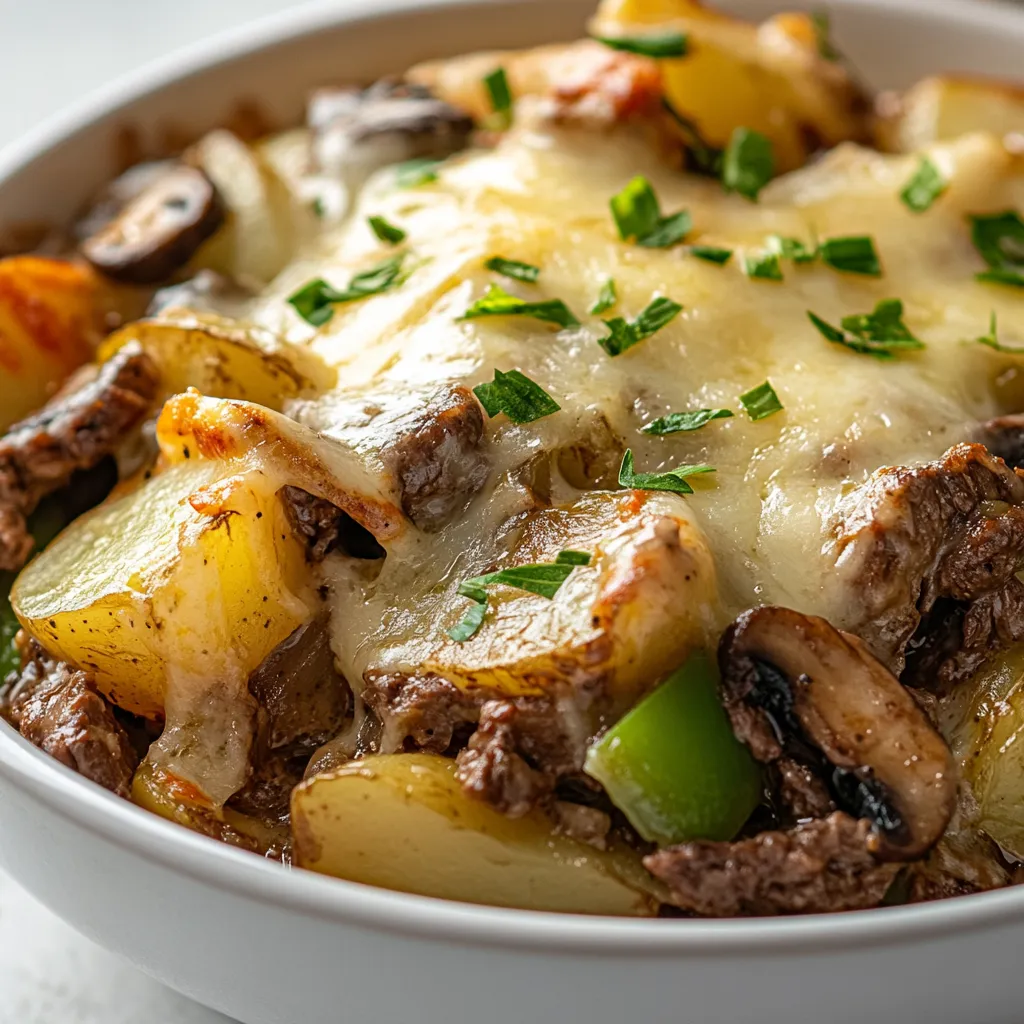
Casserole dishes have earned a beloved place in kitchens across the world. They’ve become synonymous with comfort food, bringing together layered flavors and textures, often baked or cooked slowly to develop deeper tastes. Among the myriad of casserole options available, the Crockpot Cheesesteak Potato Casserole stands out as an ultimate comforting meal, perfectly embodying the balance of rich flavors and hearty satisfaction. This dish marries the elements of a classic cheesesteak with tender layers of creamy potatoes, all cooked conveniently in a slow cooker.
This wonderful casserole is a treasure trove of flavors that is both easy to prepare and delightful to the palate. The blend of thinly sliced beef steak, tender vegetables, and gooey melted cheese creates a mouthwatering experience that appeals to families and gatherings alike. Not only does the slow cooking process amplify the flavors, but it also allows the home cook to attend to other tasks while the meal bubbles away. Perfect for gatherings, family dinners, or even as a make-ahead meal for busy weekdays, this casserole brings warmth and comfort in every bite.
Recipe Overview
– Total Time: 7 hours
– Servings: 6-8
– Difficulty: Not specified in the recipe
Crockpot Cheesesteak Potato Casserole is an inviting dish that combines slice-worthy enjoyment with a nourishing profile. The slow-cooked layers of russet potatoes, succulent beef, and sautéed vegetables produce a beautifully unified flavor, reminiscent of the classic Philly cheesesteak sandwich but with the added satisfaction of comfort food. This casserole is ideal for feeding a crowd at family gatherings, providing just the right amount of hearty sustenance to please everyone at the table.
Ingredients
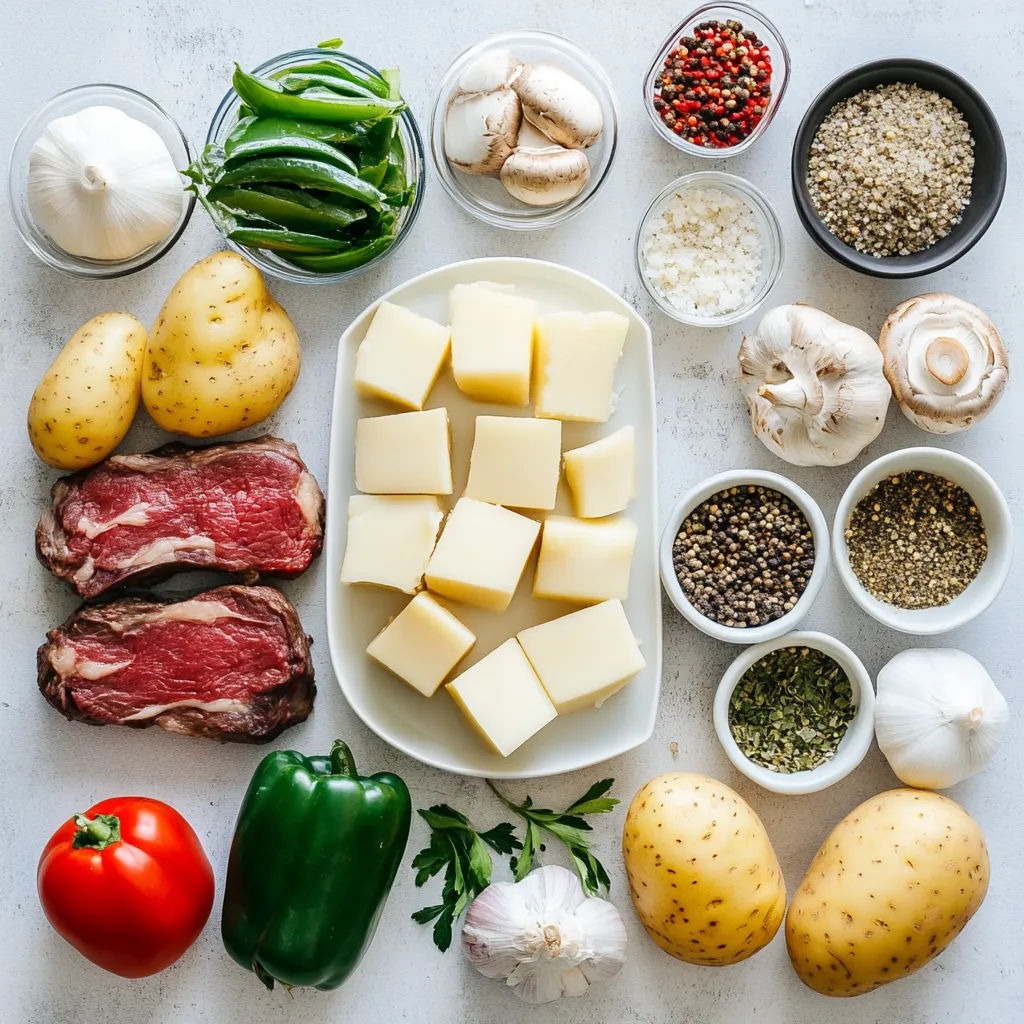
– 2 lbs russet potatoes, peeled and sliced thinly
– 1 lb beef steak (sirloin or ribeye), thinly sliced
– 1 large onion, thinly sliced
– 1 green bell pepper, thinly sliced
– 1 cup mushrooms, thinly sliced
– 3 cloves garlic, minced
– 1 teaspoon salt
– 1/2 teaspoon black pepper
– 1 teaspoon Italian seasoning
– 1 cup beef broth
– 2 cups shredded provolone cheese
– 1 cup shredded mozzarella cheese
– 1 tablespoon olive oil
Using russet potatoes is fundamental to this recipe because of their high starch content, which results in a fluffy interior when cooked. Thinly slicing them allows for even cooking and a perfect marriage with the other layers in the dish. The choice of beef steak—sirloin or ribeye—provides a rich flavor profile that can hold up against the other ingredients. The blend of sautéed vegetables adds both color and a depth of flavor, while the Italian seasoning and cheese elevate the taste, integrating seamlessly into the casserole’s comforting character.
Instructions
1. Prepare the Ingredients: Start by peeling the russet potatoes and slicing them into thin rounds. Next, thinly slice the beef steak, onion, green bell pepper, and mushrooms. Finally, mince the garlic.
2. Sauté the Vegetables: Heat the olive oil in a skillet over medium heat. Once the oil is shimmering, add the sliced onions, bell peppers, and mushrooms. Sauté these for about 5-7 minutes until they become tender. Add the minced garlic and continue to cook for an additional minute, allowing the garlic to release its aromatic flavor. Remove the skillet from the heat.
3. Layer the Casserole: Begin layering in the crockpot by placing half of the sliced potatoes at the bottom. Sprinkle half of the salt, black pepper, and Italian seasoning over the potatoes. Next, add half of the sautéed vegetable mixture on top of the potatoes, followed by half of the sliced beef.
4. Repeat the Layers: Repeat the process with the remaining sliced potatoes, followed by the rest of the seasonings, sautéed vegetables, and beef to create a second layer.
5. Add the Broth: Pour the beef broth evenly over the entire casserole, ensuring that it seeps through the layers.
6. Cook the Casserole: Cover the crockpot with its lid and cook on low for 6-8 hours or on high for 3-4 hours, until the potatoes are fork-tender and the beef is cooked through.
7. Add the Cheese: About 30 minutes before you plan to serve, sprinkle the provolone and mozzarella cheese generously over the top of the casserole. Cover again and allow the cheese to melt into a gooey, bubbly layer.
8. Serve with Flair: Once the cheese is melted and has formed a delightful crust, gently stir the casserole to mix the layers slightly before serving. Present the dish hot, garnished with fresh herbs like parsley for a pop of color, and enjoy your hearty cheesesteak potato casserole!
Now, let’s explore further details on how to prepare this delicious dish effectively.
Preparation Steps
Proper preparation is vital to ensure that each element of the Crockpot Cheesesteak Potato Casserole harmonizes beautifully. Start by slicing the russet potatoes into thin rounds. The uniformity in thickness will help them cook evenly, preventing any parts from becoming too mushy while others remain undercooked.
Next, thinly slicing the beef steak is equally essential. Thin slices of sirloin or ribeye will absorb seasoning better and cook more uniformly within the casserole, ensuring maximum flavor in every bite. As you prepare your vegetables—onions, green bell pepper, and mushrooms—take care to maintain a consistent size in your cuts for seamless integration into the dish.
Mincing garlic might seem like a small step, but it significantly contributes to the dish’s overall depth of flavor. The goal is to balance all the components while enhancing their characteristics, creating a comforting and satisfying dish that you and your guests will love.
Cooking Techniques
When it comes to the cooking methods used in this recipe, sautéing the vegetables in olive oil before layering them in the crockpot not only infuses them with flavor but also helps soften their texture before they meld into the casserole. Olive oil is ideal due to its health benefits and flavor-enhancing properties, making it a great base for your aromatic trifecta of onion, bell pepper, and mushrooms.
The technique of layering is a critical aspect of casserole preparation, allowing flavors to develop harmoniously throughout the cooking process. Layering ensures that each ingredient is evenly distributed, while the beef and vegetables impart their flavors into the potatoes as they cook slowly. Cooking techniques also play a pivotal role in flavor extraction, particularly when considering the differences between low and slow versus high and fast cooking methods. The former typically yields more tender results, enabling the components to meld beautifully, while the latter, although quicker, may not provide the same richness in flavor.
This recipe exemplifies the richness of slow-cooked meals, where time becomes an ally in developing complex yet comforting flavors that resonate with those who savor a hearty casserole dish.
Role of beef broth in enhancing flavor and moisture
Using beef broth in the Crockpot Cheesesteak Potato Casserole significantly enriches the dish. The broth acts as a flavorful liquid that permeates the layers of potatoes and beef, infusing them with savory goodness. This moisture helps in cooking the ingredients evenly, resulting in a tender, succulent casserole. When the beef and potatoes absorb the rich flavors from the broth, it creates a depth of flavor that water simply cannot replicate.
Benefits of using broth versus water in slow-cooked dishes
One of the main benefits of utilizing beef broth rather than water is the enhancement of umami flavors in the dish. While water is neutral and doesn’t contribute any taste, broth is a rich, seasoned liquid that intensifies the overall flavor profile. In a slow cooker, the extended cooking times allow the broth to concentrate; thus, the dish becomes heartier and more robust. Also, broth usually contains additional seasonings, fats, or aromatics that can lead to a more complex and satisfying end result. Using beef broth ultimately makes for a dish that tastes home-cooked and exceptional.
Tips on choosing the right beef broth
When selecting a beef broth, consider quality over price. Look for options that are low-sodium, allowing you to control the saltiness of the dish better. Organic broths typically offer superior flavors and fewer additives. Reading labels is essential; aim for broths made from real beef and vegetables without artificial flavors or preservatives. You may also want to consider homemade broth if time allows; it ensures a rich, full-bodied flavor while being free from any undesirable ingredients.
Cheese Selection and Melting
Overview of cheese types used in the recipe: provolone and mozzarella
In this casserole, provolone and mozzarella cheeses are selected for their unique characteristics. Provolone is known for its sharp and slightly nutty flavor, which enhances the savory notes of the beef and vegetables. Its semi-firm texture allows it to melt beautifully, providing a creamy consistency that wraps the dish in richness. Mozzarella, on the other hand, is famed for its mild flavor and excellent melting properties. Often associated with pizzas, it complements the provolone by adding an extra layer of gooey creaminess to the casserole.
Discussion on the texture and flavor profiles of the selected cheeses
Provolone’s flavor profile adds depth to the overall dish, while mozzarella contributes a delightful creaminess. The combination creates a delicious balance, with every bite offering a mix of sharp and mild flavors. Texturally, the melted provolone creates a slightly chewy stretch when served, while mozzarella’s fluffy melt brings a velvety finish. Together, they offer a satisfying mouthfeel that elevates the casserole from a basic potato dish to a comforting meal.
Techniques for ensuring optimal melting and browning of cheese
To ensure your cheese melts beautifully, add it 30 minutes before serving as per the instructions, allowing just enough time to melt without overcooking. A few tips include pre-grating the cheese for easier melting and achieving a better consistency. For a beautifully browned top, briefly finish the casserole under a broiler after removing it from the slow cooker, watching it closely, as cheese can burn quickly. You can also cover the dish during the initial melting phase to trap heat and moisture, enhancing the melting process.
Cooking Time and Temperature
Breakdown of optimal cooking times for both low and high settings
For this casserole, cooking on low for 6-8 hours allows for a gradual breakdown of the potatoes and beef, ensuring that the flavors meld perfectly while maintaining tenderness. On high, the dish can be ready in 3-4 hours, but keep in mind that while it will be cooked in less time, some flavor depth may be compromised due to the quicker cooking process.
Explanation of how cooking time affects texture and flavor integration
Long, slow cooking times allow the potatoes to absorb the savory broth and flavors from the beef and vegetables, making them exceptionally tender. This slow integration results in a richer, fuller flavor as the ingredients have ample time to interact with one another. Conversely, a high setting can cause some ingredients to cook too quickly, potentially resulting in uneven textures and less integrated flavors. Hence, opting for lower and slower is often the best approach.
Tips on checking for doneness of potatoes and meat
To check if your casserole is done, assess the potatoes by piercing them with a fork. They should be easily penetrable without resistance. For the beef, simply verify it is no longer pink at the center. Both should be tender and infused with the flavors of the broth. Timing can vary based on the specific slow cooker model, so it’s prudent to do a doneness check towards the end of the cooking time.
Serving Suggestions
Presentation tips for an appealing serving
To serve the casserole attractively, consider using a rustic cast-iron dish or a bright ceramic bowl that enhances the dish’s hearty nature. Prior to serving, gently stir the casserole to mix the layers, ensuring that everyone gets a taste of the different components. Garnishing with freshly chopped parsley or chives not only adds vibrancy but also provides a hint of freshness against the rich backdrop of the casserole.
Best side dishes to complement the casserole
Pairing side dishes like a crisp green salad can introduce a refreshing contrast to the rich, cheesy casserole. Alternatively, roasted vegetables with a hint of garlic or steamed broccoli provide a delightful textural and flavor balance. Bread, such as crusty sourdough or garlic knots, could complement the dish perfectly, allowing diners to scoop up the main dish with ease.
Suggestions for garnishes to make the dish visually appealing
Instead of parsley or chives, consider using finely sliced green onions for a mild onion flavor, or a sprinkle of crushed red pepper for those who enjoy a touch of heat. Additionally, a dash of freshly cracked black pepper can elevate both flavor and presentation, making the dish visually enticing and enriching the experience.
Adjusting for Dietary Needs
Ideas for substitutions
For those unable to consume beef, chicken or turkey can be utilized as a leaner alternative. Similarly, for a vegetarian option, hearty vegetables like lentils or plant-based protein crumbles can be used instead of meat.
Options for modifying the recipe to be gluten-free
The recipe is naturally gluten-free, as it does not utilize any wheat products. However, if you’re using store-bought beef broth, ensure it’s labeled gluten-free, as some brands can contain gluten or cross-contaminated ingredients.
Discussion on dairy-free alternatives for cheese
For a dairy-free version, almond, soy, or coconut-based cheeses are available as suitable substitutes. Look for products designed for melting, as they often provide similar textures to that of traditional cheese. Be sure to check for any additional allergens if you’re catering to specific dietary restrictions.
Flavor Enhancements
Suggesting additional spices or herbs for a flavor boost
To enhance the flavor further, consider incorporating spices such as smoked paprika, which offers a delightful smokiness, or a touch of cayenne for heat. Fresh herbs like thyme or rosemary could also elevate the dish’s aroma and taste, introducing a fragrant quality that complements each component nicely.
Ideas for incorporating different vegetables into the casserole
Mushrooms are already part of the recipe, but zucchini, carrots, or even corn could provide additional texture and flavor. These vegetables can be layered within the casserole, offering diverse tastes while keeping the dish vibrant and nutritious.
How to add heat with spices or hot sauces for a kick
For those who enjoy spicy food, drizzling hot sauce over the casserole just before serving can add an exciting zing. Alternatively, adding jalapeño slices or spicy peppers during the sauté stage provides an underlying heat to the dish that can be adjusted based on preference.
Conclusion
The Crockpot Cheesesteak Potato Casserole is a delightful blend of flavors and textures. Tender potatoes, savory beef, and gooey cheese meld beautifully together, enveloping each bite in comfort. With a cooking time totaling 6-8 hours, this hearty dish promises a rewarding experience for gatherings or family dinners.
Crockpot Cheesesteak Potato Casserole Recipe
Ingredients
- 2 lbs russet potatoes peeled and sliced thinly
- 1 lbs beef steak sirloin or ribeye, thinly sliced
- 1 large onion thinly sliced
- 1 large green bell pepper thinly sliced
- 1 cup mushrooms thinly sliced
- 3 cloves garlic minced
- 1 teaspoon salt
- ½ teaspoon black pepper
- 1 teaspoon Italian seasoning
- 1 cup beef broth
- 2 cups shredded provolone cheese
- 1 cup shredded mozzarella cheese
- 1 tablespoon olive oil
Instructions
-
Peel and slice the russet potatoes thinly.
-
Thinly slice the beef steak, onion, green bell pepper, and mushrooms.
-
Mince the garlic.
-
Heat olive oil in a skillet over medium heat and sauté onions, bell peppers, and mushrooms for 5-7 minutes.
-
Add minced garlic and cook for an additional minute.
-
Layer half of the sliced potatoes in the crockpot, followed by half of the seasonings and sautéed vegetables, then half of the sliced beef.
-
Repeat the layering process with the remaining ingredients.
-
Pour beef broth evenly over the casserole.
-
Cover and cook on low for 6-8 hours or high for 3-4 hours until potatoes are tender.
-
Sprinkle provolone and mozzarella cheese on top 30 minutes before serving.