
Introduction
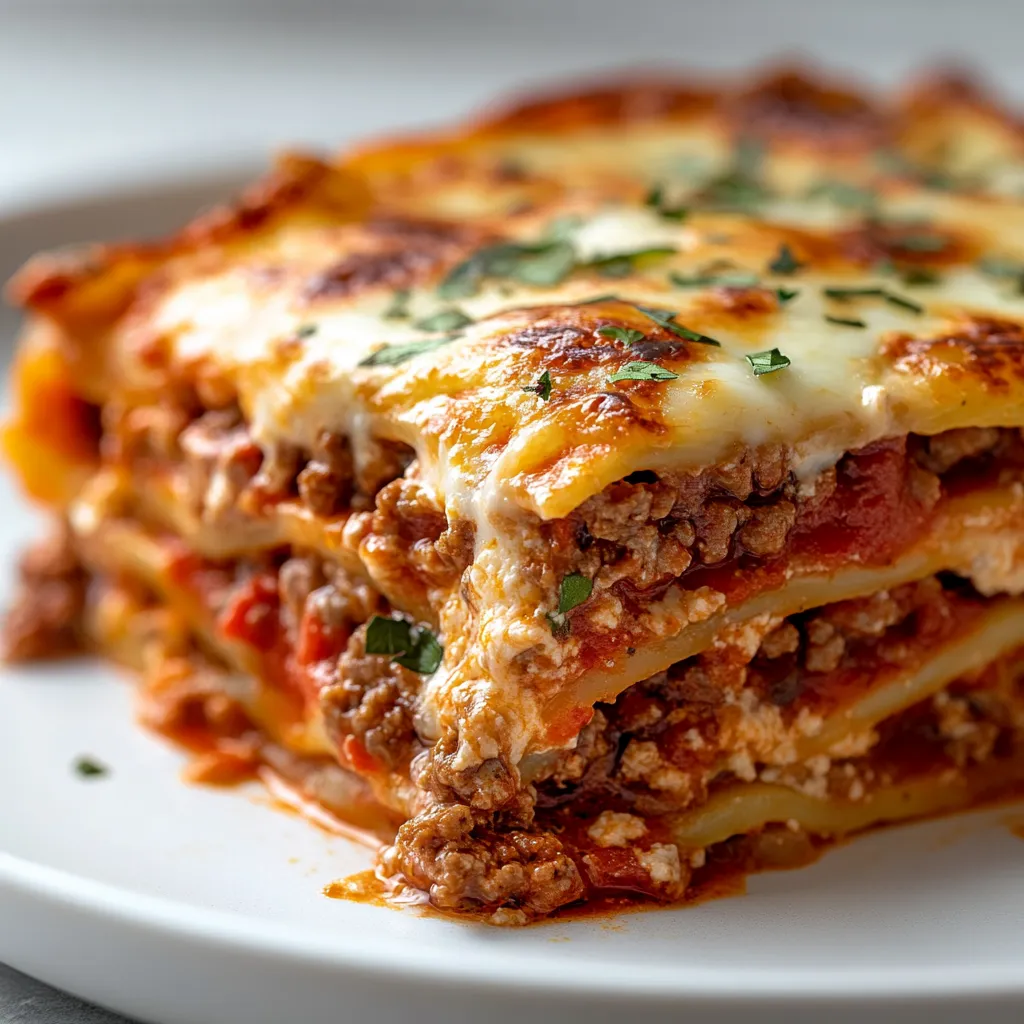
Lasagna is a beloved Italian dish, renowned for its hearty layers and rich flavors. This classic recipe not only brings comfort but also provides a wonderful opportunity for culinary creativity. Each bite of lasagna unveils a delightful combination of textures and tastes, from the al dente noodles enveloping a robust filling to the gooey, melted cheese topping that sends you straight to flavor heaven. Perfect for family dinners, gatherings, or even a special occasion, this homemade lasagna is a dish that never fails to impress.
Crafting lasagna from scratch might seem daunting, but with the right techniques and knowledge of ingredients, it becomes a simple and rewarding endeavor. In this article, we’ll explore the art of making homemade lasagna, focusing on the ingredients, preparation techniques, and expert tips that will help you create this layered masterpiece. By the end, you’ll not only have a delicious meal but also an experience to share with loved ones.
Recipe Overview
This homemade lasagna recipe showcases the magic of combining simple ingredients into a layered masterpiece. With a delightful mix of cheeses, savory ground beef, and robust marinara sauce, this dish becomes an instant family favorite. The comfort of warm layers melded together, topped with golden cheese, makes it perfect for gatherings.
– Prep Time: 20 minutes
– Cook Time: 40 minutes
– Total Time: 1 hour
– Course: Main Course
– Cuisine: Italian
– Servings: 8
– Calories: Approximately 450 per serving
Ingredients
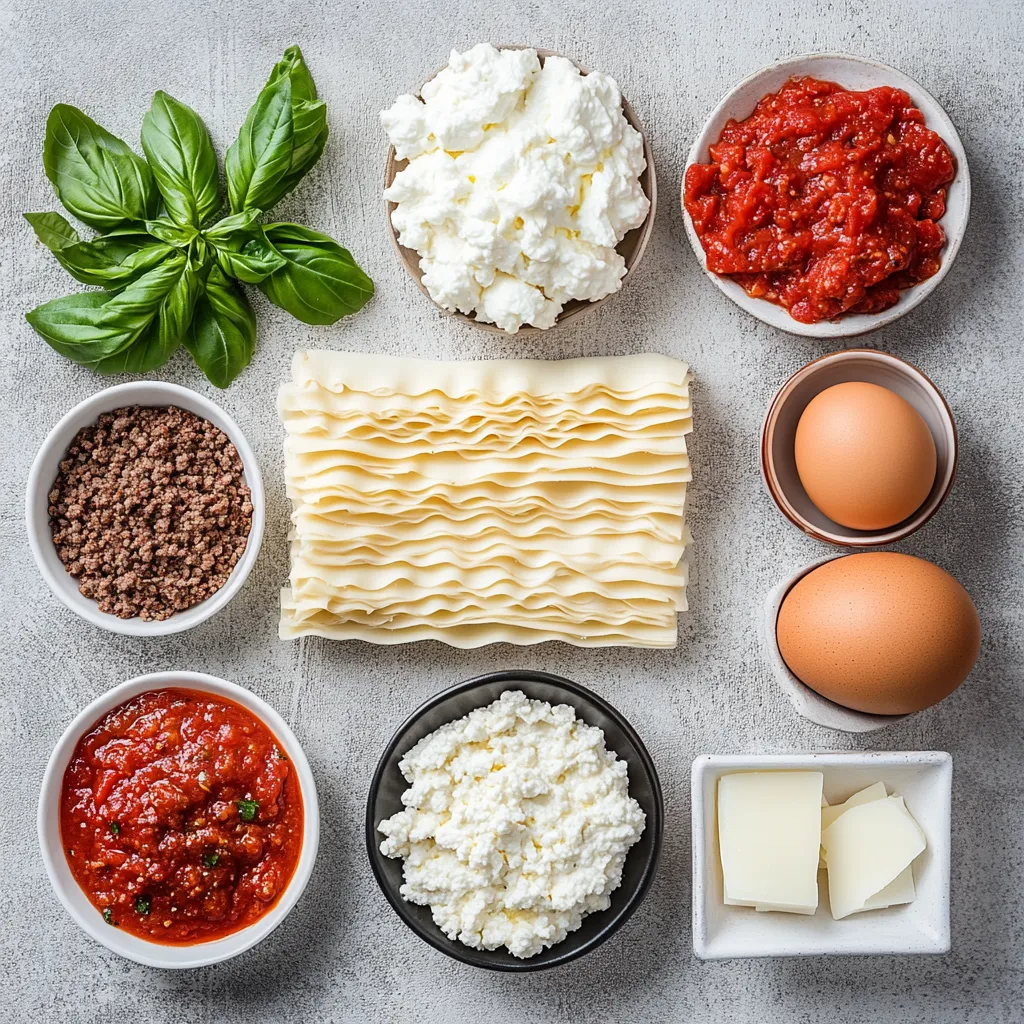
Understanding the ingredients that go into making the perfect lasagna is crucial for creating a rich and satisfying flavor profile. Here’s what you’ll need:
– 9 lasagna noodles
– 1 pound ground beef
– 2 cups ricotta cheese
– 2 cups shredded mozzarella cheese
– 1 cup grated Parmesan cheese
– 24 ounces marinara sauce (1 jar)
– 1 large egg
– 1 teaspoon Italian seasoning
– Salt and freshly cracked black pepper to taste
– Fresh basil leaves for garnish (optional)
Instructions
To ensure a successful cooking experience, follow these step-by-step instructions derived from the recipe.
1. Begin by preheating your oven to 375°F (190°C) to prepare for baking.
2. Cook the lasagna noodles according to the package instructions until al dente. Once cooked, drain them and set aside to cool slightly.
3. In a large skillet over medium heat, add the ground beef and cook until browned, breaking it apart with a spatula. Season with salt, pepper, and Italian seasoning. Once browned, drain any excess fat from the skillet.
4. In a mixing bowl, combine the ricotta cheese, egg, and a pinch of salt and pepper. Stir until the mixture is smooth and well incorporated.
5. Spread a thin layer of marinara sauce on the bottom of a 9×13 inch baking dish to prevent sticking.
6. Layer 3 lasagna noodles over the sauce, followed by half of the ricotta mixture, a third of the shredded mozzarella, and a layer of marinara sauce.
7. Repeat the layering process: add another 3 noodles, the remaining ricotta, another third of the mozzarella, and more marinara sauce.
8. For the final layer, place the last 3 noodles on top. Spread the remaining marinara sauce over them, and finish with the rest of the mozzarella and all the grated Parmesan cheese.
9. Cover the baking dish tightly with aluminum foil to keep the moisture in. Bake in the preheated oven for 25 minutes. After that, remove the foil and bake for an additional 15 minutes, or until the cheese is bubbling and golden brown.
10. Once baked, allow the lasagna to cool for about 10 minutes before slicing. This helps the layers set and makes serving easier. Garnish with fresh basil leaves if desired.
11. Serve warm and indulge in your delicious layered bliss!
Preparing the Lasagna Noodles
To achieve the perfect texture, it’s essential to prepare the noodles correctly. Start by boiling water in a large pot and adding the lasagna noodles, cooking them until they reach an al dente state. An al dente noodle has a firm bite, a characteristic that is crucial for holding up under the weight of the filling and sauce during baking.
Cooking Method
The importance of al dente noodles cannot be stressed enough; if the noodles are overcooked, they can become mushy in the oven and lose their structure. Follow the package instructions carefully, usually taking about 8 to 10 minutes, but begin checking a minute or two early. Once cooked, drain the noodles in a colander and let them cool slightly, which also makes them easier to handle.
When cooling the noodles, a simple trick is to lay them flat on a clean countertop or on a layer of parchment paper. This prevents them from sticking together and keeps them separate for easier layering later. If you’re short on time, consider using no-boil lasagna noodles, which cook directly in the oven and can make the preparation process even simpler.
Alternative Noodle Options
For those with dietary preferences or restrictions, there are also alternatives to traditional lasagna noodles. Whole wheat noodles offer a nuttier flavor profile and added fiber, while gluten-free variations made from rice or other grains are perfect for those avoiding gluten. Regardless of the type chosen, the method remains similar: ensuring noodles are cooked and prepped properly to achieve that perfect layered lasagna.
Cooking the Ground Beef
The ground beef adds a savory depth to the lasagna. Proper cooking ensures optimal flavor, contributing to the overall richness of the dish. For best results, use ground beef with a moderate fat content to keep the flavors authentic without compromising texture.
Browning the Beef
Start the process by heating a large skillet over medium heat. Once hot, add the ground beef and break it apart with a spatula, cooking until browned and no longer pink. Seasoning at this stage is critical; salt, pepper, and Italian seasoning will enhance the meat’s flavor. This blend of seasoning begins to infuse the beef with aromatic notes, making every bite flavorful.
Draining Excess Fat
After browning the meat, it’s essential to drain any excess fat that might accumulate in the pan. This step not only makes the dish healthier but also prevents the lasagna from becoming greasy. To drain the fat effectively, tilt the skillet slightly and use a spoon to scoop out the fat, or pour it carefully into a bowl. This keeps your lasagna layers light and delicious.
Next, once the beef is cooked and seasoned, let it cool slightly before you proceed to the layering stage, ensuring that you don’t scorch yourself on the hot meat when assembling your delicious layered bliss!
Through understanding these essential steps, you can transform simple ingredients into a culinary masterpiece that will have everyone coming back for seconds. In the next section, we will delve into the delightful cheese mixture that enriches this classic Italian dish.
Mixing Techniques
Creating the perfect ricotta mixture is essential for a successful lasagna that retains its structure and flavors. Proper mixing ensures that every bite is balanced with creamy cheese and satisfying meat.
How to achieve a smooth mixture
Begin by using a fork or a whisk to blend the ricotta cheese with the egg and seasonings vigorously. This technique helps break down the ricotta, making it more homogenous and eliminating any lumps. A smooth mixture not only improves the texture of the lasagna but also helps it bake evenly. Don’t be shy about using your whisking technique; it’s key to a well-integrated filling.
Adding egg for structure and moisture
In the lasagna recipe, the egg plays a pivotal role beyond merely adding moisture. It acts as a binding agent, helping to hold the layers together as the lasagna cooks. This is particularly important when slicing the lasagna for serving, ensuring that individual pieces maintain their form. When beaten smoothly into the ricotta, the egg gives your filling a creamy consistency that is both rich and satisfying.
Layering the Lasagna
The layering process is where the magic truly happens. It’s crucial to create an even distribution of flavors. Each layer contributes to the final taste, so attention to detail is essential.
First Layer
– Spreading marinara sauce as a base: Start by laying down a thin layer of marinara sauce in your baking dish. This not only prevents the noodles from sticking but also forms a flavorful base that seeps into the bottom layer of the lasagna. Be generous but not excessive – you want just enough to moisten the noodles.
– Importance of noodle placement: Place three lasagna noodles evenly spaced over the sauce, ensuring they do not overlap too much. Proper noodle placement will help in slicing the lasagna later and will also allow for an even bake. Make sure the noodles are laid flat against the sauce for a solid foundation.
Subsequent Layers
– Guidelines for layering cheese, meat, and sauce: After the initial noodle layer, add half of the ricotta mixture over the noodles. Follow it with a third of the mozzarella, then drizzle some marinara sauce on top. This sequence—noodles, ricotta, mozzarella, and sauce—should be repeated for the second layer, providing a harmonious blend of flavors.
– Tips for ensuring even layers throughout: As you build each layer, be mindful of spreading each component evenly. Use a spatula to flatten the ricotta mixture before adding the next ingredient, providing a consistent layer. This will enhance both the presentation and the eating experience.
Final Touches
– Cheesing the top layer for an unforgettable finish: For the ultimate indulgence, cover the final layer of noodles with marinara sauce, then top it with the remaining mozzarella and all the grated Parmesan cheese. The generous cheesing will create a beautifully bubbly crust as it cooks, making it visually appealing and delicious.
– The role of aluminum foil during baking: Cover the baking dish tightly with aluminum foil before placing it in the oven. This step is crucial, as it traps steam inside, helping to cook the lasagna thoroughly without drying it out.
Baking the Lasagna
Baking is the final step that melds all the flavors together, creating that quintessential lasagna experience.
Preheating the Oven
Optimal temperature settings for perfect results are essential in baking. Preheating your oven to 375°F (190°C) ensures that the lasagna begins cooking immediately once placed inside. This rapid heat encourages the noodles, cheese, and sauce to meld together while creating that coveted layer of bubbling cheese on top.
Baking Stages
– Duration for covered versus uncovered baking: Bake the lasagna for a total of 40 minutes, using a two-step approach. Start with 25 minutes covered with foil and then remove the foil for the last 15 minutes to allow the top to brown properly. This method is vital for achieving that perfect gooey middle and a crispy top.
– Checking for doneness: bubbling and browning cheese: To determine if your lasagna is done, look for bubbling edges and a golden brown top. The cheese should look melted and slightly crispy, indicating that it has reached the right temperature and texture.
Cooling and Slicing
Cooling is crucial for maintaining structure when serving your lasagna.
Importance of Cooling Time
– How cooling affects serving: After baking, allow the lasagna to cool for about 10 minutes. This step is non-negotiable, as it helps the layers set and makes slicing easier. Serving immediately can result in a soupy mess, with layers sliding apart rather than remaining intact.
– Steps for allowing lasagna to set: During this cooling time, the proteins and starches firm up, enhancing texture and ensuring that each piece holds together when served. You’ll be rewarded with neatly stacked layers, showcasing your beautiful lasagna masterpiece.
Slicing Techniques
– Best tools for precise slicing: A sharp, serrated knife or a pizza cutter works beautifully for slicing lasagna. Their fine edges can navigate through the crispy cheese layer, cutting cleanly through the softer layers below without displacing the contents.
– Tips for the neatest servings: To achieve the neatest slices, press down with a gentle but firm motion rather than sawing back and forth. This method reduces disturbing the layers, resulting in an attractive presentation.
Presentation Ideas
Enhancing the visual appeal of the lasagna can elevate the dining experience.
Serving Suggestions
– Warm plate recommendations: For serving, consider warming the plates slightly in the oven prior to plating the lasagna. This helps maintain warmth for longer and presents a more refined meal.
– Garnishing with fresh basil and extra sauce: A few sprigs of fresh basil can add a splash of color and enhance the flavor experience. Drizzling with a little extra marinara sauce before serving can also bring brightness to the dish.
Complementary Side Dishes
– Perfect salads and bread pairings for a complete meal: Serve your lasagna with a light garden salad, dressed in balsamic vinaigrette, for contrast and freshness. Crusty bread or garlic knots are excellent additions as they serve as great accompaniments for soaking up any extra sauce.
Nutritional Insights
Understanding the nutritional aspects of this dish contributes to making informed choices.
Breakdown of Ingredients
The caloric content and health benefits of each major ingredient play a crucial role in the overall dish. The combination of protein from ground beef and ricotta cheese, healthy fats from mozzarella, and carbs from lasagna noodles creates a well-rounded meal. Each serving contains approximately 450 calories, making it a satisfying choice for a hearty meal.
Portion Control Strategies
Tips for enjoying lasagna responsibly include serving it alongside plenty of vegetables or salads. This adds bulk while keeping the calorie count in check. Additionally, consider slicing smaller portions, particularly if enjoying lasagna as part of a multi-course meal.
Common Variations
Adaptations can suit various dietary preferences and tastes.
Vegetarian Options
For a meatless variation, substituting ground beef with vegetables like sautéed mushrooms, zucchini, or spinach can create a deliciously satisfying alternative. This not only caters to vegetarians but also adds a rich flavor profile to the dish.
Cheese Variations
Experimenting with different cheeses can yield exciting results. Using ricotta mixed with goat cheese or adding provolone as a layer can create unique flavor experiences that elevate traditional lasagna.
Conclusion
This homemade lasagna recipe is a beautiful balance of gooey cheese, rich meat, and flavorful sauce with a delightful texture. Taking about an hour from start to finish, it serves as a perfect main course for family dinners. Whether garnished with fresh basil or served alongside a side salad, this dish is sure to satisfy and delight.
Layered Bliss: Mastering the Art of Homemade Lasagna
Ingredients
- 9 pieces lasagna noodles
- 1 pound ground beef
- 2 cups ricotta cheese
- 2 cups shredded mozzarella cheese
- 1 cup grated Parmesan cheese
- 24 ounces marinara sauce
- 1 large egg
- 1 teaspoon Italian seasoning
- Salt and freshly cracked black pepper to taste
- Fresh basil leaves for garnish optional
Instructions
- Preheat your oven to 375°F (190°C).
- Cook the lasagna noodles until al dente, then drain and set aside.
- In a skillet, cook the ground beef until browned, seasoning with salt, pepper, and Italian seasoning.
- In a bowl, mix ricotta cheese, egg, and a pinch of salt and pepper until smooth.
- Spread a thin layer of marinara sauce in a baking dish.
- Layer 3 noodles, half of the ricotta mixture, a third of the mozzarella, and marinara sauce.
- Repeat with another 3 noodles, remaining ricotta, another third of mozzarella, and more marinara.
- Top with the last 3 noodles, remaining marinara, mozzarella, and all the Parmesan cheese.
- Cover with foil and bake for 25 minutes, then remove foil and bake for an additional 15 minutes.
- Let cool for 10 minutes before slicing and garnish with basil if desired.