
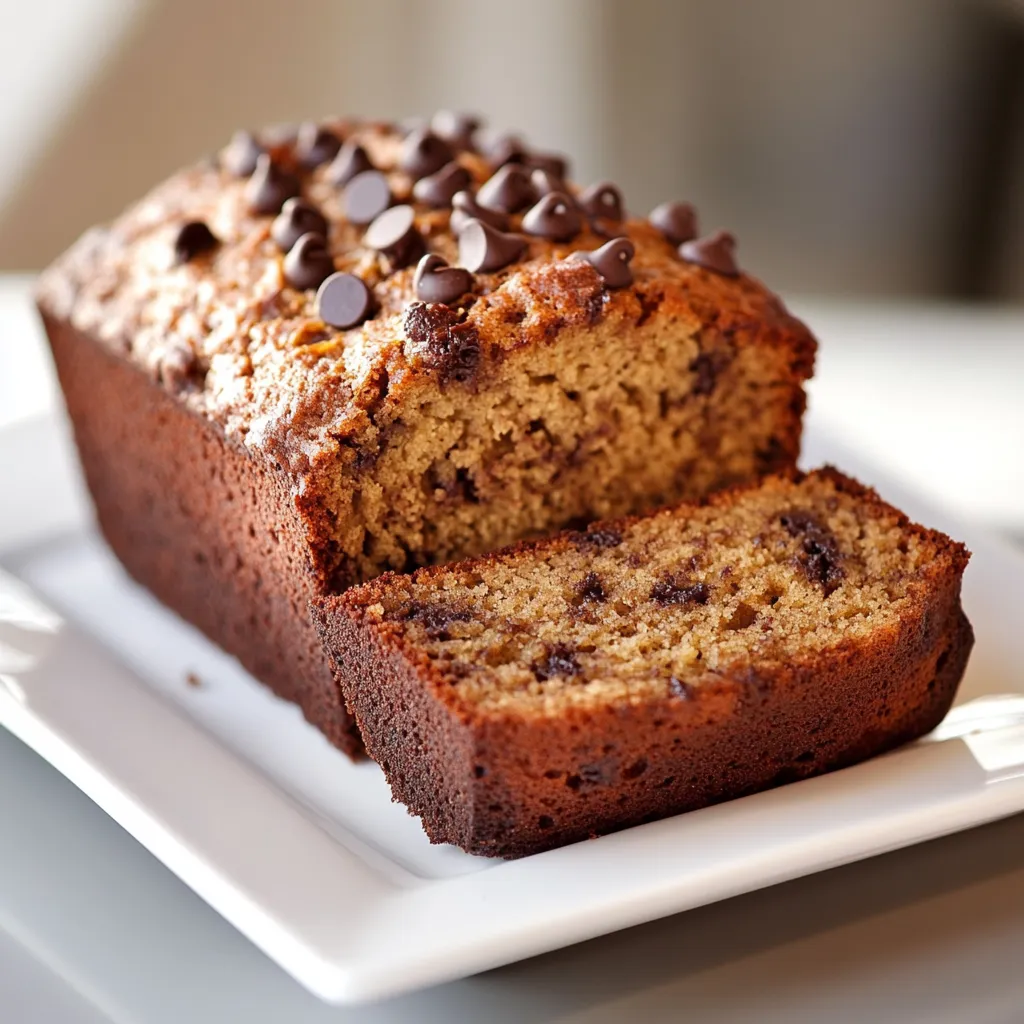
Introduction
Banana bread holds a cherished place in the hearts of many as a quintessential comfort food. It’s not just a delicious treat; it brings forth memories of warm kitchens filled with the comforting aroma of baked goods. The soft, moist texture of freshly baked banana bread, coupled with its rich flavor from ripe bananas, makes it a beloved staple in many households. It fits perfectly as both a simple breakfast item and a delightful snack, making it a versatile choice for any time of day.
The origins of banana bread can be traced back to the Great Depression era when resourceful cooks sought to minimize waste by using overripe bananas. This simple yet effective method transformed this once-discarded fruit into a beloved bread that has remained popular ever since. Today, banana bread can be found in countless variations, incorporating everything from nuts to chocolate chips, enhancing its flavor and texture, supporting its adaptability in modern baking.
What makes this particular banana bread recipe stand out is its emphasis on moisture and flavor. Utilizing ripe bananas is key, as they impart a natural sweetness and create a beautifully moist texture. The optional ingredients add a customizable element that caters to different preferences, allowing you to enjoy banana bread exactly how you like it.
Recipe Overview
– Total Time: Approximately 70 to 75 minutes
– Yield/Servings: Serves approximately 8 slices
– Difficulty: Easy
This banana bread recipe emphasizes simplicity and taste, making it an ideal choice for both novice and experienced bakers. With just a few workable ingredients, you can create a loaf that is both moist and flavorful, providing a satisfying treat at any time of the day.
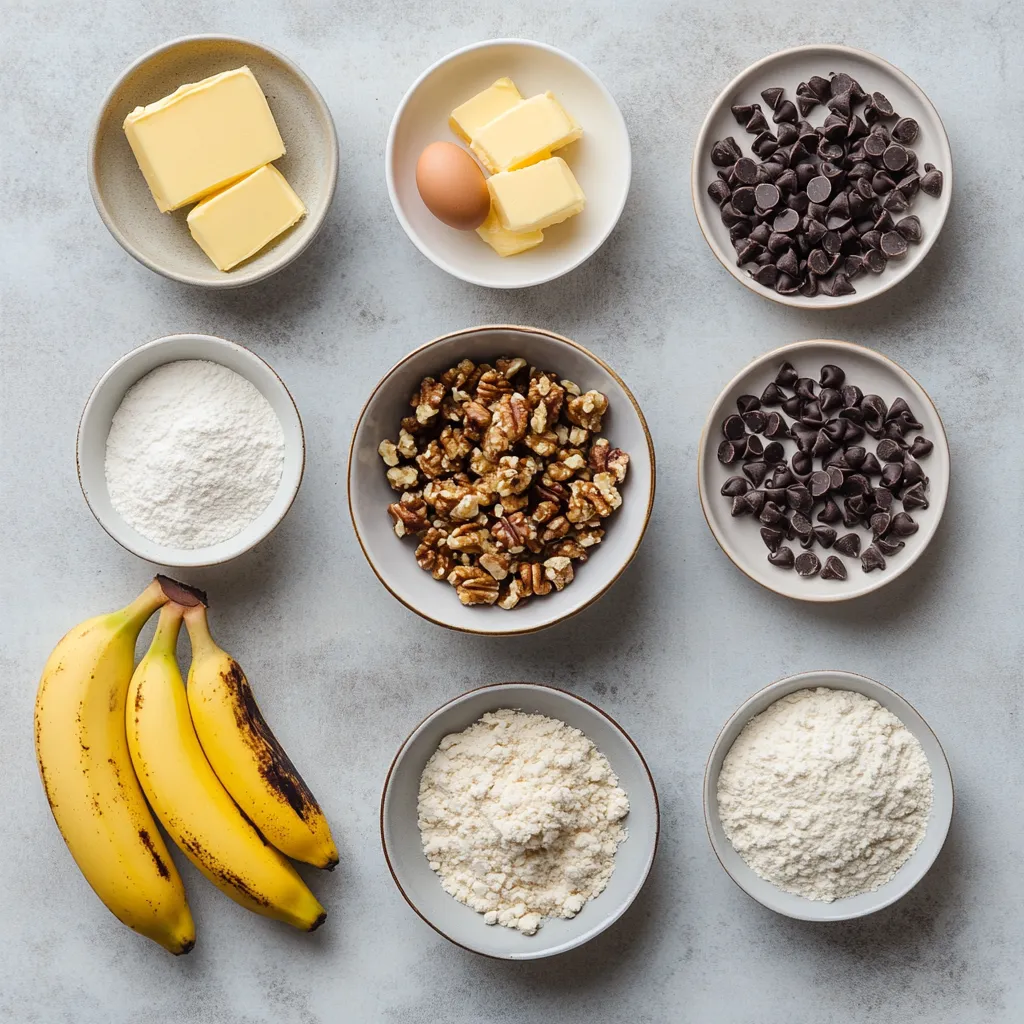
Ingredients
– 3 ripe bananas, thoroughly mashed
– 1/3 cup unsalted butter, melted
– 1 teaspoon baking soda
– A pinch of salt
– 3/4 cup granulated sugar (adjust for desired sweetness)
– 1 large egg, lightly beaten
– 1 teaspoon pure vanilla extract
– 1 cup all-purpose flour
– Optional: 1/2 cup chopped walnuts or semi-sweet chocolate chips for extra crunch and sweetness
When preparing banana bread, the selection of ingredients is crucial for achieving the best results. The use of ripe bananas is essential as they contribute to the bread’s natural sweetness and moisture. Additionally, opting for unsalted butter allows for better control over the saltiness of the final product. Granulated sugar can be adjusted according to personal preferences, whether you enjoy a sweeter loaf or prefer a more subtle dessert. The optional add-ins such as walnuts or chocolate chips not only provide texture but also complement the flavor of the bananas splendidly.
Preparing the Oven and Loaf Pan
Preheating the oven is a critical step in the baking process, ensuring your banana bread bakes evenly. Setting the oven to 350°F (175°C) allows the batter to rise properly and develop a beautiful golden crust. Preparing your loaf pan is just as important. A 4×8 inch loaf pan is recommended for this recipe, and you have the option to either grease it lightly with butter or line it with parchment paper. Lining the pan can make the bread easier to remove once it’s finished baking, preventing any damage to the loaf.
If you find that you do not have a standard loaf pan, you can explore alternatives such as using smaller pans for mini loaves, although baking times may vary. It’s essential to keep a close eye on the bread and test for doneness using a toothpick even if you are using a different pan size.
Mashing the Bananas
Ripe bananas are the hero of any good banana bread recipe. The sweeter the bananas are, the more flavorful your bread will be. Using a fork or a potato masher, press the bananas into a smooth, creamy consistency. Aim to eliminate any large lumps, as achieving a creamy texture will help to distribute the natural sweetness and moisture throughout the batter.
When mashing, consider using bananas that have started to turn brown; this indicates that they are at their peak sweetness and flavor. For larger bananas, one may consider using slightly fewer than three to avoid overcrowding the mixture, ensuring the ideal flavor balance.
Mixing the Base Ingredients
Once your bananas are mashed, it’s time to incorporate the other base ingredients. Start by mixing in the melted butter into the banana puree thoroughly. The warmth of the butter will help meld the flavors and create a smooth batter. After achieving a consistent mix, carefully add in the baking soda and a pinch of salt, folding them gently into the mixture. This step is crucial, as the baking soda activates the leavening components of the recipe.
Next, pour in the granulated sugar, beaten egg, and vanilla extract. Each of these components plays a vital role in enhancing the sweetness and overall flavor of the bread. Mix gently until all these ingredients are blended well. It’s important not to overwork the mixture, as this can result in a denser loaf. You want just enough mixing to achieve a uniform composition without losing the airiness that creates that delightful texture in homemade banana bread.
Incorporating Dry Ingredients
The final step in preparing your banana bread batter involves incorporating the dry ingredients. Gradually add the all-purpose flour to the wet mixture, ensuring that you mix gently with a spatula or wooden spoon. This technique helps in maintaining the light and airy texture that is the hallmark of great banana bread.
Be cautious when adding flour; it’s best to stir until just combined, allowing some small lumps to remain. This aspect of the mixing process prevents the gluten in the flour from overworking, which could lead to a tough texture rather than the moist, soft bread you’re aiming for. Additionally, ensure that the baking soda and salt are thoroughly distributed throughout the mixture to avoid any uneven tasting spots in your finished product.
As you prepare to bake, the combination of these ingredients will yield a wonderfully aromatic banana bread that is sure to please anyone who takes a bite.
Importance of Sugar, Egg, and Vanilla in Flavor Development
The sugar, egg, and vanilla in the banana bread recipe play crucial roles in developing its unique flavor profile. Sugar not only adds sweetness, which balances the inherent flavors of ripe bananas, but it also enhances browning during baking that contributes to a lovely golden crust. Too little sugar can result in a denser bread that lacks flavor, while too much can make it overly sweet. Careful adjustment to taste can help achieve the perfect sweetness that complements the bananas.
The egg serves as an essential binding agent and contributes moisture to the bread. This ingredient helps achieve the desired lift during baking, resulting in a fluffy texture. It also enriches the flavor and adds nutrition to the recipe, making the final product more satisfying.
Vanilla extract is the aromatic star that ties these flavors together, giving the banana bread a warm, inviting scent and taste. Using pure vanilla extract is recommended over synthetic alternatives for a more authentic and rich flavor. This small addition can elevate the overall experience of savoring each slice.
Adding the Flour
Tips for Incorporating All-Purpose Flour Gently
When you reach the stage of adding the flour, it’s essential to do so carefully to avoid disrupting the delicate balance of air that your batter has developed. This is where gentle folding comes into play. Instead of using aggressive stirring motions, which can cause gluten to overdevelop and lead to a tough loaf, use a spatula or wooden spoon to fold the flour in. Aim for a motion that brings the flour from the bottom up and over the wet ingredients, just until no dry streaks remain.
Explanation of Overmixing and its Impact on the Bread’s Texture
Overmixing can ruin your banana bread by creating a dense and chewy texture that is far from the desired moist crumb. Gluten development is a natural process during mixing, and while a certain amount of structure is necessary, excessive mixing can result in an unappealing loaf. To avoid this, remember to stop mixing once the flour is just combined with the wet ingredients; it’s okay if a few small lumps remain.
Signs that the Batter is Ready for the Next Step
Your batter is ready to move forward when you see no dry flour remaining and it has a slightly lumpy texture—much like pancake batter. It should hold together well but still appear light and airy. If your batter looks smooth and glossy, it may indicate that you’ve overmixed, so take care to achieve that perfect balance.
Optional Add-ins for Flavor and Texture
Benefits of Using Walnuts and Chocolate Chips
Incorporating optional ingredients such as walnuts or semi-sweet chocolate chips can enhance both texture and flavor. Walnuts provide a contrast with their crunchy bite and nutty taste that complements the sweet bananas, offering a delightful mouthfeel. On the other hand, chocolate chips melt slightly during baking, creating pockets of rich, gooey chocolate throughout the bread that can make it even more indulgent.
Alternative Options for Customization
Feel free to customize your banana bread further by trying dried fruits, such as cranberries, raisins, or apricots, which can add a chewy texture and unique flavor notes. Spices like cinnamon or nutmeg are also excellent additions that infuse warmth and complexity, elevating the overall profile. As a guideline, if you’re adding more than 1/2 cup of add-ins, consider reducing the flour slightly to maintain proper moisture balance.
Suggested Quantities and How to Fold Them into the Batter
If you choose to include optional ingredients, aim for about 1/2 cup of walnuts or chocolate chips. To fold them into your batter, sprinkle them over the mixed ingredients and then use the same gentle folding technique previously discussed to incorporate them evenly without overworking the batter.
Pouring the Batter into the Pan
Techniques for Transferring Batter Without Spills
When it’s time to pour the batter into the prepared loaf pan, employ a spatula to help transfer it from the bowl. This approach minimizes spills and ensures that you can control the flow of batter. It’s helpful to scrape down the sides of the mixing bowl thoroughly to capture all of that delicious mixture.
Importance of Smoothing the Batter for an Even Rise
After pouring the batter, use the spatula to smooth the top, creating an even surface. A smooth top helps the loaf rise uniformly and prevents it from doming excessively in the center when baking. This small step can make a noticeable difference in the final presentation.
Tips for Ensuring the Top of the Loaf is Level
To ensure an even level, gently shake the pan from side to side. This motion helps settle the batter and allows any air bubbles to escape, leading to a more consistent loaf shape in the end.
Baking the Banana Bread
Detailed Information on Baking Times and Temperature
Baking at 350°F (175°C) for 60-65 minutes is ideal for banana bread. However, baking times can vary based on your specific oven’s temperature calibration, the type of loaf pan used, and any additional ingredients. Aim for a golden brown crust when checking for doneness.
Importance of Toothpick Test for Doneness
One surefire method to check if your banana bread is finished baking is the toothpick test. Insert a toothpick in the center of the loaf; it should come out clean or with a few moist crumbs attached. If it has wet batter on it, allow the bread to bake for an additional 5-10 minutes before testing again.
How to Handle Potential Baking Variations Based on Oven Types
Ovens can have hot spots or uneven heat distribution; therefore, it’s wise to rotate your banana bread halfway through the baking time. If you are using a dark or non-stick loaf pan, watch for the bread closely, as these can bake faster than lighter, shiny pans.
Cooling the Banana Bread
Best Practices for Removing the Bread from the Pan
Once baked, allow the banana bread to cool in the pan for about 10 minutes. This time helps the bread firm up, making it less prone to breaking when you remove it. To release it, gently run a butter knife around the edges before inverting onto a wire rack.
Importance of Cooling on a Wire Rack to Avoid Sogginess
Cooling on a wire rack is essential for preventing sogginess. If left in the pan, steam will accumulate, creating moisture that can make the bottom of the loaf mushy. Allowing it to breathe on a rack will preserve that lovely crust.
Suggestions for Letting the Flavors Develop Post-Baking
To fully appreciate the depth of flavors, allow the banana bread to rest for at least an hour before slicing. This resting time allows for flavor integration and moisture redistribution, leading to a superior taste experience.
Presentation Tips for Serving
Unique Serving Ideas for Banana Bread
Slice the banana bread into thick, even pieces to showcase its moist interior. For a delightful serving touch, consider lightly toasting each slice, enriching the natural sweetness and creating a pleasant warmth.
Suggestions for Garnishing with Powdered Sugar or Whipped Cream
Dusting with powdered sugar offers a beautiful, elegant finish, especially if you are serving the bread for a special occasion. Alternatively, a dollop of whipped cream adds a creamy texture that can elevate the experience.
Drink Pairings that Complement Banana Bread
Banana bread pairs beautifully with coffee, teas, or even a glass of milk. For a unique twist, a spiced chai or a rich mocha can heighten the fruity flavors, making for a satisfying snack or breakfast pairing.
Conclusion
This moist and flavorful banana bread delivers a delectable balance of sweetness and texture, whether served warm or at room temperature. With a baking time of approximately 60-65 minutes, the outcome is a golden loaf inviting to all. Each bite provides the comforting essence of home-baked goodness, perfect for any occasion.
Moist and Flavorful Banana Bread Bliss
Ingredients
- 3 ripe bananas
- ⅓ cup unsalted butter
- 1 teaspoon baking soda
- a pinch salt
- ¾ cup granulated sugar
- 1 large egg
- 1 teaspoon pure vanilla extract
- 1 cup all-purpose flour
- ½ cup chopped walnuts or chocolate chips
Instructions
-
Preheat the oven to 350°F (175°C) and prepare a 4×8 inch loaf pan.
-
Mash the ripe bananas in a large bowl until smooth, then mix in the melted butter.
-
Add baking soda and salt to the banana mixture, then stir in sugar, beaten egg, and vanilla extract.
-
Gradually incorporate the flour, mixing gently until just combined.
-
Fold in walnuts or chocolate chips if desired.
-
Pour the batter into the prepared loaf pan and smooth the top.
-
Bake for 60-65 minutes, checking for doneness with a toothpick.
-
Cool in the pan for 10 minutes, then transfer to a wire rack to cool completely.