
Introduction
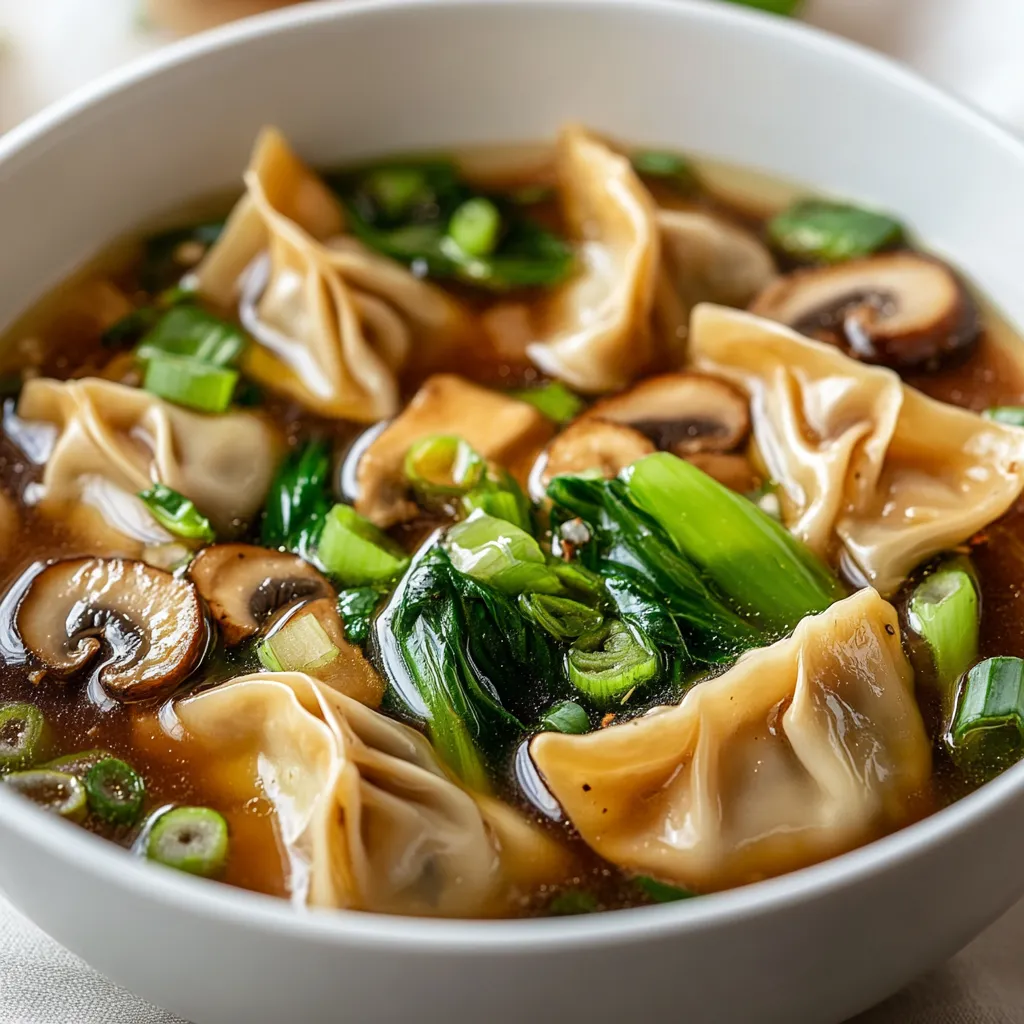
Potsticker Soup Extravaganza is a warm and comforting dish that expertly combines the familiar flavors of potstickers with a delicious broth filled with vegetables. Whether you’re looking for a cozy meal on a frigid night or a satisfying dish to impress guests, this soup is an ideal option. The combination of tender potstickers, fresh greens, and savory broth creates a delightful medley of flavors and textures that is both nourishing and indulgent.
This soup shines when served as a main course, providing a hearty meal that can easily become a family favorite. Additionally, it can be an excellent starter for a larger Asian-inspired feast. The vibrant colors of the fresh vegetables not only make the dish visually appealing, but also provide a nutritious boost. This recipe encourages the use of simple, accessible ingredients while delivering an impressive and tasty outcome.
Recipe Overview
– Total Time: 30 minutes
– Prep Time: 15 minutes
– Servings: 4
– Difficulty: Not specified in the recipe
Brief Description of Potsticker Soup
Potstickers are a delightful staple in many Asian cuisines, recognized for their crispy exterior and warm, savory filling. In this soup version, they are transformed into a comforting dish where the dumplings swim joyfully within a nourishing broth enriched with fresh aromatics and veggies.
The Origin of Potstickers and Their Popularity
Potstickers have a rich history, originating from China over a thousand years ago. Their popularity has traveled beyond borders, making them a beloved dish in various cultures. The unique combination of textures—from crispy to chewy—paired with flavorful fillings, makes potstickers an attractive option for many. This soup form showcases the versatility of potstickers, making them a cozy option for colder seasons.
What Makes This Recipe Unique
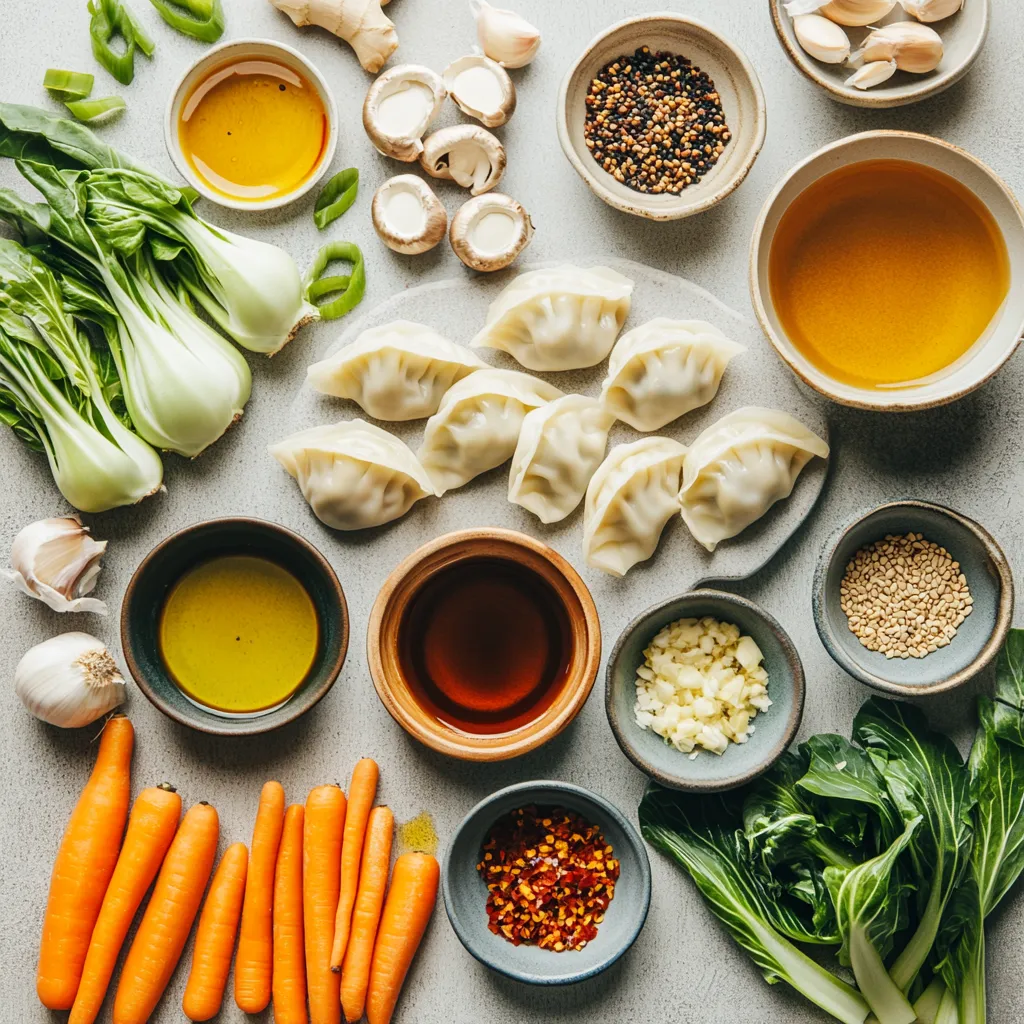
What sets this Potsticker Soup apart is the balance of flavors and the hearty addition of fresh ingredients. While the frozen potstickers deliver convenience, the vibrant mix of shiitake mushrooms, bok choy, and carrots adds depth and freshness, creating a perfect harmony. Enhanced by the aromatic notes of garlic and ginger, each spoonful offers a burst of comfort and satisfaction.
Ingredients
– 1 package (approximately 20) frozen potstickers
– 4 cups chicken broth or vegetable broth
– 1 cup water
– 2 cups bok choy, roughly chopped
– 1 cup shiitake mushrooms, thinly sliced
– 1 medium carrot, cut into thin strips (julienned)
– 1 tablespoon soy sauce
– 1 tablespoon sesame oil
– 2 cloves garlic, finely minced
– 1-inch piece of fresh ginger, grated
– 2 green onions, thinly sliced (for garnish)
– 1 teaspoon chili oil (optional, for an extra kick)
– Salt and pepper to taste
Overview of Primary Ingredients
The key ingredients in this potsticker soup revolve around a mix of store-bought convenience and fresh vegetables. The frozen potstickers form the heart of the dish, while the broth and vegetables come together to create a flavorful base. The garlic and ginger, which are often considered aromatic staples, add depth to the overall profile of the soup.
Frozen Potstickers
Using frozen potstickers significantly cuts down on preparation time, making this recipe quick and accessible for busy weeknights. They come in various flavors and fillings, providing the option to customize the dish according to personal preference or dietary restrictions.
Broth Options: Chicken vs. Vegetable
The choice between chicken broth or vegetable broth allows flexibility in flavor. Chicken broth adds richness and additional savory notes, while vegetable broth lends a lighter profile. This versatility makes the recipe appealing to a broader audience, accommodating both meat-eaters and vegetarians alike.
Fresh Vegetables to Enhance Flavor
Adding fresh vegetables like bok choy, shiitake mushrooms, and carrots not only boosts the soup’s nutritional value but also offers a burst of freshness. Each veggie contributes its unique flavor profile and texture: the bok choy wilts beautifully, while shiitake mushrooms deliver umami richness, and the carrots provide a delightful crunch.
Aromatics: Garlic and Ginger
The inclusion of garlic and ginger elevates the dish through their aromatic qualities. Garlic, with its pungent flavor, complements the potency of ginger, known for its spicy warmth. Sautéing these ingredients at the beginning builds a flavorful base, infusing the broth with a deep, comforting aroma.
Seasoning Elements: Soy Sauce and Chili Oil
Soy sauce provides a salty, umami kick that rounds out the overall flavor. Additionally, the optional chili oil is an exciting component that introduces a level of heat, allowing each diner to customize the soup according to their taste preferences. Adjusting the seasoning at the end ensures optimal flavor balance.
Preparing the Broth Base
Importance of Broth in Soup
The broth acts as the foundation for this soup, influencing its overall taste and character. A well-prepared broth enriches every ingredient, creating a harmonious blend. It is the first layer of flavor that should resonate through the dish, making it paramount to choose good-quality broth, whether homemade or store-bought.
Heating the Sesame Oil
Begin by heating sesame oil in a pot, a step that provides the unmistakable nutty flavor that characterizes many Asian dishes. It’s essential to use medium heat to ensure the oil warms thoroughly without burning. This preparation step allows the oil to become a vehicle for flavor, releasing those essential aromatic compounds from the garlic and ginger.
Sautéing Aromatics for Flavor Depth
Once the sesame oil is heated, the next step is to introduce finely minced garlic and freshly grated ginger. Sautéing them for about a minute serves two purposes: releasing their essential oils into the broth and building an aromatic flavor base that will enhance the entire soup. This carefully orchestrated step is crucial for creating a depth of flavor in the final dish.
Adding the Vegetables
Selecting the Right Vegetables
Choosing the right vegetables can make all the difference in a dish, especially in a soup where flavors meld together. Bok choy, shiitake mushrooms, and carrots not only contribute vibrant colors but also unique textures and flavors. The selection of these ingredients plays a role in how balanced and satisfying the soup will be.
Preparing Shiitake Mushrooms
Shiitake mushrooms bring an earthy and umami-rich flavor profile to the soup. When slicing the mushrooms, it’s important to ensure uniform thinness, facilitating even cooking and better integration into the broth. Their unique texture adds depth and interest to the overall dish, making each bite a delightful experience.
Techniques for Julienning Carrots
Julienning the carrots creates thin strips that cook quickly and evenly, enhancing their texture in the soup. The technique involves cutting the carrot into even sections and then slicing it into matchstick-shaped pieces. This preparation not only elevates the appearance of the soup but also allows for a quick cooking time, ensuring the carrots maintain a slight crunch.
Incorporating Bok Choy into the Recipe
Bok choy is a Chinese cabbage that lends itself beautifully to soups due to its ability to wilt gracefully without losing its integrity. Roughly chopping it ensures that it integrates well with the other ingredients while providing a tender and slightly sweet flavor. Adding it toward the end of cooking allows the soup to maintain its bright color and nutritional value.
Cooking the Frozen Potstickers
How to Properly Cook Frozen Potstickers
Frozen potstickers make prep and cooking simple by eliminating the need for extensive kitchen work. Cooking them directly in the broth helps infuse their flavor into the soup while keeping them moist and tender. It’s vital to avoid overcrowding the pot, ensuring each dumpling has the space to cook correctly.
The Science Behind Floating Potstickers
One interesting aspect of cooking potstickers is the phenomenon of them floating to the surface once fully cooked. This process occurs as steam builds within the dumplings, creating buoyancy. Being aware of this visual cue can help gauge when the potstickers are adequately cooked, providing a useful point to monitor throughout the cooking process.
Timing and Techniques for Perfectly Cooked Potstickers
Timing is crucial when adding the potstickers to the simmering broth. They generally require around 7 to 10 minutes to heat through completely. Stirring gently while they cook ensures even heat distribution and prevents them from clumping together. Adhering to this technique will yield perfectly cooked potstickers—hearty and bursting with flavor—amidst the fragrant broth.
Seasoning the Soup
Taste Testing and Adjusting Flavors
An essential component of any soup is ensuring the flavor is balanced and tailored to your personal preference. Once the soup has simmered, taste it before serving. The beauty of this recipe is the ability to adjust various flavors based on your design. If you note that your soup could use a little more depth, consider adding another splash of soy sauce. For a fresher, zestier element, a squeeze of lime can lighten its savory profile. Salt and pepper should also be assessed; a pinch can elevate the existing flavors, so be cautious and gradual with any additions.
The Role of Soy Sauce in Enhancing Umami
Soy sauce is integral to the dish, providing a depth of flavor characterized by umami, which is considered the fifth taste. Derived from fermented soybeans, it adds a savory and slightly sweet profile that complements the other ingredients. When you add soy sauce to the broth, it not only seasons the liquid but also contributes to the complex flavor profile, marrying well with the earthy mushrooms and fresh bok choy. Consider using low-sodium soy sauce if you’re mindful of salt intake, ensuring you maintain control over the overall salt content in the soup.
Adding Chili Oil for Spice and Heat
For those who enjoy an extra kick, incorporate chili oil. It can introduce a powerful flavor boost while adding another layer of heat that perfectly contrasts the richness of the broth. Start with a teaspoon, and stir well to integrate it into your soup thoroughly. You can taste and add more if desired; remember, the goal is to enhance the dish without overwhelming it. Chili oil can also be drizzled on top as a garnish, giving your soup a sophisticated appearance and a fragrant aroma.
Final Touches
Importance of Presentation
Serving a dish that is visually appealing can heighten the dining experience significantly. For Potsticker Soup, use deep bowls to showcase the bright colors of the bok choy, vibrant carrots, and golden-brown potstickers. The contrast between the rich broth and the colorful ingredients invites the diner in and prepares their palate for the unique flavors to come. Potentially sprinkle some sesame seeds on top to softly decorate the surface, adding both elegance and texture.
Garnishing with Green Onions
Green onions serve not just as a garnish but add crispness and a mild onion flavor that wonderfully complement the soup’s profile. Slice them thinly just before serving to retain their freshness. Sprinkle an ample amount on each bowl just before presenting it to guests, as they provide a contrast to the soft textures of the rest of the soup.
Optional Garnishes for Extra Flair
Explore additional garnishes to elevate the dish further. A dollop of sour cream or Greek yogurt can offer creaminess and a cooling effect, making the soup just a tad more luscious. Fresh herbs, like cilantro or parsley, can enhance aroma and flavor intensity. Toasted sesame seeds are a delightful option too; their nutty flavor pairs excellently with the earthy broth.
Serving Suggestions
Ideal Serving Techniques
When serving your Potsticker Soup, ladle it generously into bowls, ensuring each serving contains a balanced amount of potstickers, vegetables, and broth. Offer chopsticks alongside a spoon for anyone wishing to fully indulge in a traditional experience. The combination allows for enjoying the solid elements while sipping the rich broth.
Recommended Sides to Accompany the Soup
To complement the hearty soup, consider serving sides that are light yet flavorful. A simple Asian-style salad made with shredded carrots, cucumber, and a sesame dressing can provide a refreshing crispness. Alternatively, steamed dumplings or spring rolls can echo the flavors of the potstickers, harmonizing your meal perfectly. For a bit of warmth, a small bowl of fried rice adorned with peas and eggs could serve as a comforting companion.
Pairing Drinks with Potsticker Soup
When it comes to beverage pairings, green tea is a classic choice, enhancing the experience without overpowering the flavors. Its lightness complements the umami notes of the soup. If you prefer something stronger, an Asian beer, such as a light lager, can balance the richness of the broth, while a fruity white wine could work as a refreshing alternative.
Nutritional Considerations
Health Benefits of the Ingredients
Each ingredient in Potsticker Soup offers unique health benefits. Bok choy is low in calories but high in vitamins A, C, and K, while shiitake mushrooms contribute beneficial polysaccharides that can boost immune function. The ginger and garlic not only add flavor but are also known for anti-inflammatory properties. This dish can easily be part of a balanced diet thanks to its array of nutrients.
Caloric Breakdown of the Dish
Though specific caloric content for the dish isn’t provided, each serving typically offers a healthy balance among proteins, fats, and carbohydrates. The potstickers serve as a source of carbohydrates and protein, while the broth and vegetables deliver additional micronutrients without adding excessive calories.
Tips for Healthier Modifications
For healthier modifications, consider using whole wheat potstickers if available for added fiber. Omitting or reducing the sesame oil can lower overall fat content. You can also pile in more vegetables or substitute the potstickers for a minimal pasta or whole grain version to lighten the dish while maintaining its flavors.
Storage and Reheating Tips
Best Practices for Storing Leftovers
To maintain the integrity of your Potsticker Soup, ensure it cools completely before transferring it to an airtight container. Store in the refrigerator if consumed within 3 days. Avoid freezing if the potstickers are already cooked, as their texture can suffer upon thawing.
How to Reheat Potsticker Soup Without Sacrificing Flavor
When reheating, use a pot to gently warm the soup over medium heat, stirring occasionally, which helps to reintegrate flavors. Avoid a rapid boil to preserve the texture of the potstickers. For microwaving, place soup in a microwave-safe bowl and cover to avoid splatters, heating in short increments while stirring until heated evenly.
Freezing Options for Future Meals
If preparing in advance, consider freezing the broth separately from the potstickers and vegetables to ensure that the tasty components remain intact. Place cooled broth in containers or freeze in ice cube trays for quick future use. For best results, consume frozen meals within 3 months.
Variations and Customizations
How to Make It Vegetarian or Vegan
To make the soup vegetarian or vegan, substitute the chicken broth with vegetable broth and ensure the potstickers are filled with plant-based ingredients. There are several brands of vegan potstickers available in stores that maintain the texture and taste of their meat-based counterparts.
Alternative Ingredients for Custom Flavors
You’re free to mix in other vegetables based on personal preference. Peas, bell peppers, or baby spinach can easily replace bok choy if needed. To adjust flavor profiles, feel free to use different broths, such as miso or even a homemade broth infused with herbs.
Spicy Variations for Heat Lovers
For enthusiasts of spiciness, consider adding fresh sliced chilies along with the potstickers or infuse the broth with additional chili paste. Topping with a sprinkle of red pepper flakes before serving can also provide additional heat without losing the core flavor.
Conclusion
The Potsticker Soup Extravaganza presents a harmonious medley of flavors and textures, featuring tender potstickers nestled amid fresh vegetables in a rich broth. The dish is not only quick to prepare, taking just 30 minutes from start to finish, but it also delights the palate with its umami depth and vibrant ingredients. The careful balance of seasonings and the option for adaptations ensures this soup can cater to a variety of tastes and dietary preferences.
Potsticker Soup Extravaganza Recipe
Ingredients
- 1 package frozen potstickers
- 4 cups chicken broth or vegetable broth
- 1 cup water
- 2 cups bok choy roughly chopped
- 1 cup shiitake mushrooms thinly sliced
- 1 medium carrot cut into thin strips
- 1 tablespoon soy sauce
- 1 tablespoon sesame oil
- 2 cloves garlic finely minced
- 1 inch fresh ginger grated
- 2 green onions thinly sliced for garnish
- 1 teaspoon chili oil optional
- to taste salt and pepper
Instructions
-
Heat the sesame oil in a pot over medium heat.
-
Add minced garlic and grated ginger, sauté for 1 minute.
-
Pour in chicken or vegetable broth and water, stir, and bring to a simmer.
-
Add sliced shiitake mushrooms and julienned carrots, cook for 5 minutes.
-
Gently add frozen potstickers, cook for 7 to 10 minutes until heated through.
-
Stir in chopped bok choy and soy sauce, simmer for 2 to 3 minutes.
-
Adjust seasoning with salt, pepper, and chili oil if desired.
-
Ladle soup into bowls and garnish with sliced green onions.