
Introduction
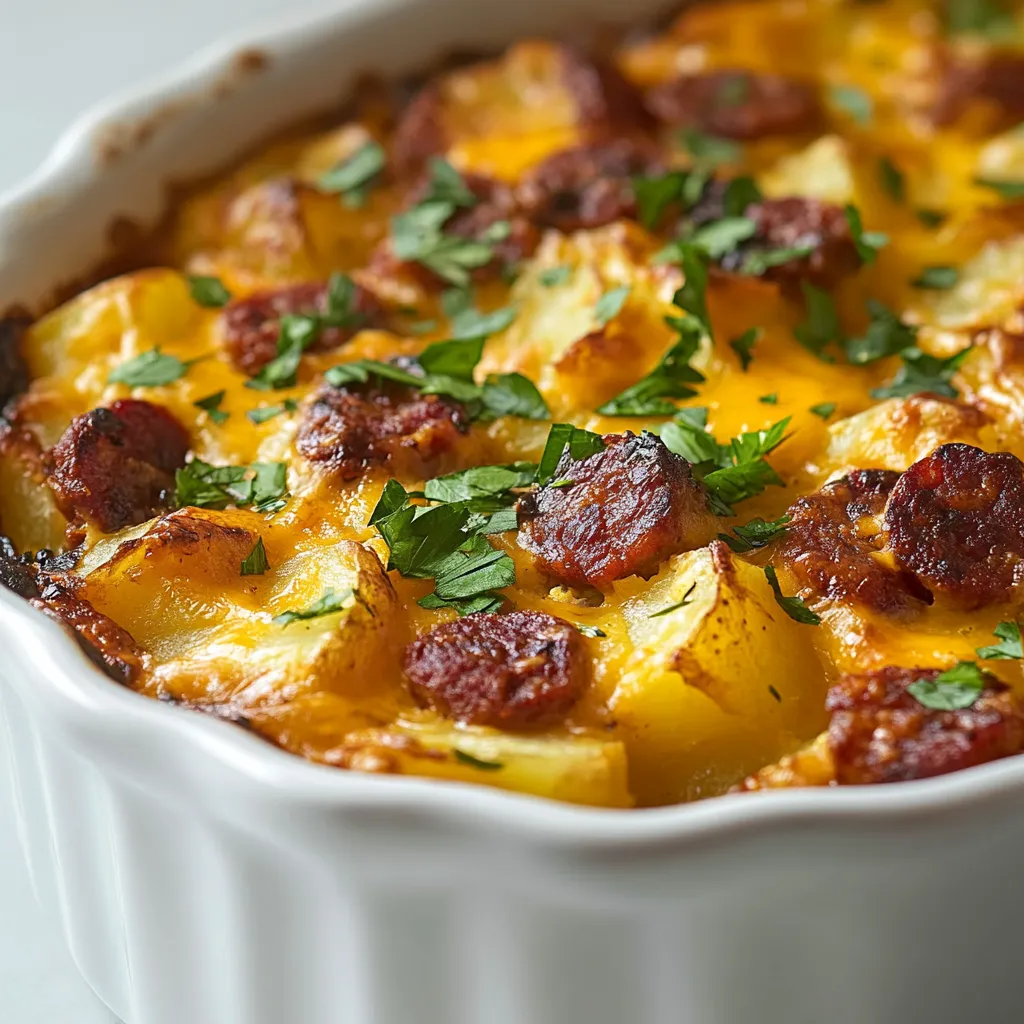
The Savory Chorizo and Potato Breakfast Casserole is a delightful dish that perfectly blends the robust flavors of chorizo with hearty potatoes. Ideal for breakfast or brunch, this casserole is not only satisfying but also easy to prepare, making it a great addition to any morning gathering. The combination of eggs, cheese, and spices creates a comforting meal that pleases everyone at the table.
What sets this casserole apart is the balance of its ingredients. The spicy chorizo brings a depth of flavor, while the tender potatoes provide a comforting base. The addition of fresh vegetables, including onion and bell pepper, not only adds a burst of color but also enhances the overall taste profile, making it a well-rounded meal. This dish is truly versatile, allowing for modifications to suit personal tastes or dietary preferences.
Whether you are hosting a weekend brunch or simply want to elevate your breakfast game on a busy weekday, this casserole delivers on all fronts. Packed with protein and flavor, it’s a filling option that serves well with additional toppings such as sour cream or salsa, allowing everyone to customize their serving.
Recipe Overview
– Total Time: 45 minutes
– Prep Time: 15 minutes
– Servings: 6
– Difficulty: Not specified in the recipe
This dish features layers of savory chorizo sausage, tender potatoes, and vibrant vegetables, all enveloped in a rich egg mixture. Topped with a generous layer of melted cheddar cheese, it’s baked until golden brown and served with a sprinkle of fresh parsley to elevate the dish’s presentation. With a prep time of just 15 minutes and a total cooking time of 45 minutes, it’s an accessible recipe for both novice and seasoned cooks.
Ingredients
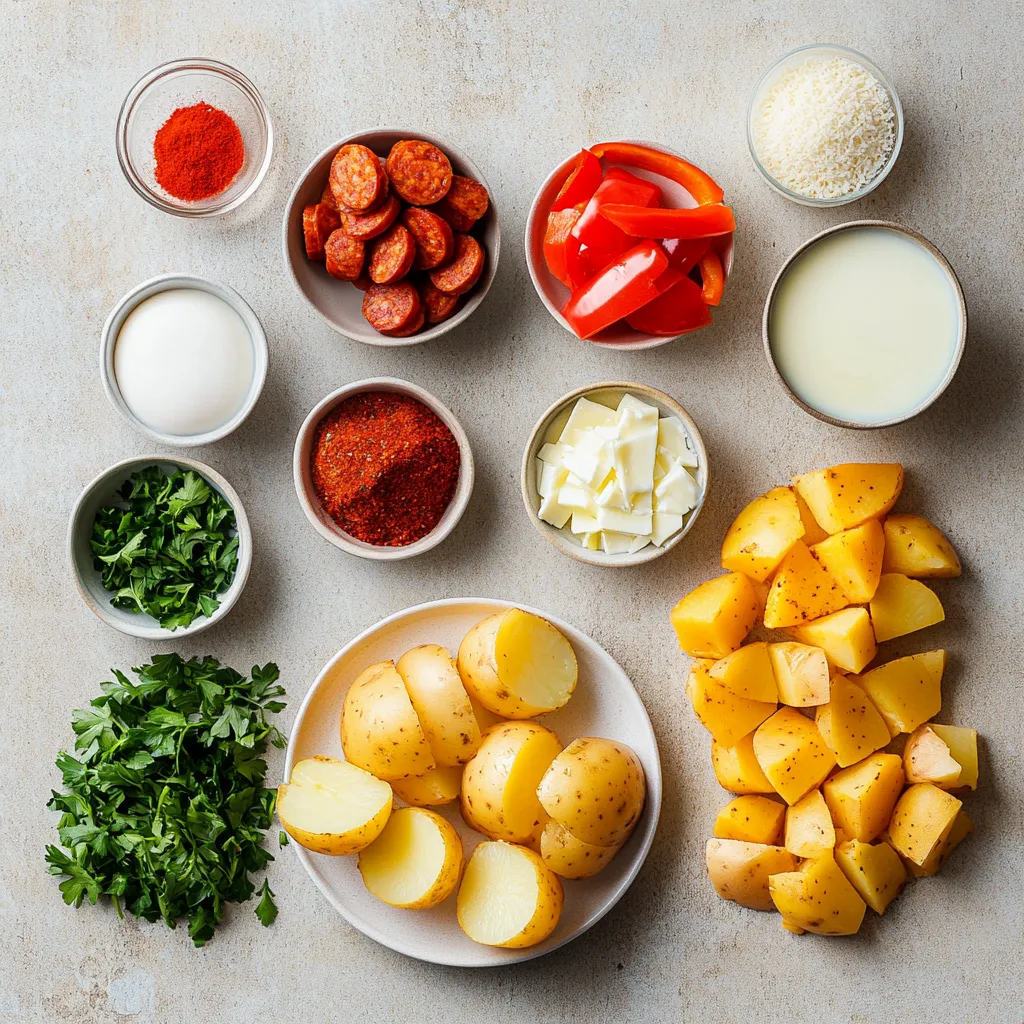
– 1 pound chorizo sausage, casings removed
– 4 medium potatoes, peeled and cubed
– 1 medium onion, finely chopped
– 1 bell pepper, diced (choose either red or green for color)
– 6 large eggs
– 1 cup milk
– 1 cup shredded cheddar cheese
– 1 teaspoon garlic powder
– 1 teaspoon smoked paprika
– Salt and black pepper, to taste
– Fresh parsley, chopped (for garnish)
Instructions
1. Begin by preheating your oven to 375°F (190°C). Lightly grease a 9×13 inch baking dish with cooking spray or a drizzle of olive oil to prevent sticking.
2. In a large skillet over medium heat, add the chorizo. Cook it thoroughly, breaking it apart with a wooden spoon until it is browned and fully cooked. Once done, remove it from the skillet and set aside.
3. Using the same skillet, add the cubed potatoes, chopped onion, and diced bell pepper. Sauté for approximately 10-12 minutes, stirring occasionally, until the potatoes are tender and have a nice golden color.
4. In a mixing bowl, whisk together the eggs, milk, garlic powder, smoked paprika, salt, and black pepper until the mixture is smooth and well combined.
5. In your prepared baking dish, layer the cooked chorizo, potato mixture, and half of the shredded cheddar cheese. Then, pour the egg mixture evenly over the layered ingredients.
6. Top the casserole with the remaining cheddar cheese, spreading it out evenly.
7. Place the baking dish in the preheated oven and bake for 25-30 minutes, or until the egg mixture is set and the top is a delightful golden brown.
8. Once baked, remove the casserole from the oven and allow it to cool for a few minutes. Before serving, sprinkle with freshly chopped parsley for a burst of color and flavor.
Preparation Steps
Preheating the oven is an essential first step for ensuring the casserole cooks evenly. The optimal baking temperature for this Savory Chorizo and Potato Breakfast Casserole is set at 375°F (190°C). This temperature allows the casserole to cook thoroughly without burning the top, resulting in a beautifully risen and golden crust. When preheating, it’s advisable to allow the oven to reach the desired temperature before placing the dish inside, which helps achieve the best texture.
In conjunction with preheating, preparing the baking dish correctly is crucial for preventing sticking and for easy cleanup. Lightly greasing the dish with cooking spray or a drizzle of olive oil is recommended. This method not only helps the casserole release smoothly after baking but also adds a hint of flavor. If you prefer alternatives, using butter is an excellent option; however, it might require a bit more effort to spread evenly. Regardless of the method chosen, ensure the entire surface of the dish is coated to avoid any surprises during serving.
Next, focus on cooking the chorizo. Begin by adding it to a large skillet over medium heat. Chorizo is a flavorful sausage, and cooking it until browned and fully cooked allows its rich and spicy flavor to infuse the dish. As you cook, use a wooden spoon to break apart the sausage. This ensures an even texture, allowing the chorizo to meld well with the other ingredients. The key is to wait until it reaches a deep brown color, enhancing the overall flavor profile of the casserole.
Once the chorizo is done, utilize the same skillet to sauté the vegetables. This not only saves time but also ensures that any residual flavors from the sausage add depth to the potatoes, onion, and bell pepper. The cooking time for the vegetables should take about 10-12 minutes, and this is where knowing how to achieve the right doneness is essential. Look for the potatoes to be tender and golden, while the onions and bell peppers should be translucent and slightly soft. This stage is crucial for achieving an even texture and balanced flavors in the casserole.
Mixing the Egg Mixture
The egg mixture is a foundational element of the Savory Chorizo and Potato Breakfast Casserole. In a mixing bowl, you’ll whisk together six large eggs with one cup of milk, along with a teaspoon each of garlic powder and smoked paprika. This combination not only binds the casserole but also adds richness and flavor. The eggs provide the necessary structure, allowing the casserole to hold its shape after baking while also delivering a creamy texture.
The role of milk is significant, as it creates a custard-like base that enhances the overall creaminess and mouthfeel of the dish. Choosing the right milk can also impact the texture; whole milk would contribute to a richer outcome, while skim milk will yield a lighter casserole. Seasoning the mixture with salt and black pepper to taste is crucial, as this step brings out the flavors of the other ingredients. Don’t shy away from adjusting the seasoning based on personal preference, as the balance of flavors will elevate the entire dish.
Once your egg mixture is whisked together smoothly, it’s ready to be layered with the potato mixture and chorizo, allowing for a harmonious blend of flavors in every bite. This step is where the casserole begins to take shape, eventually leading to a delightful and colorful breakfast dish that will be enjoyed by all.
Overview of the Role of Each Component
Understanding the role of each ingredient in the Savory Chorizo & Potato Breakfast Casserole is essential for maximizing flavor and texture. The chorizo sausage provides a spicy and savory base that enhances the overall taste profile. Its fat content also contributes to the moistness of the dish. Potatoes serve not only as a filling carbohydrate but also help to create a hearty texture that complements the eggs’ creaminess.
The onions and bell pepper add crunch and sweetness, balancing the spiciness of the chorizo while introducing additional layers of flavor. Eggs act as a binding agent, creating a custardy consistency when cooked, while the milk adds richness. The shredded cheddar cheese, besides its melty, gooey texture, contributes sharpness and a touch of saltiness that ties the casserole together. Lastly, a sprinkle of freshly chopped parsley adds a visual appeal and a fresh herbal note, enhancing the overall sensory experience of the dish.
Whisking Technique for a Smooth Consistency
For the egg and milk mixture, employing a whisking technique is crucial for achieving a smooth, lump-free consistency. Begin by cracking the eggs into a mixing bowl before adding the milk. Using a wire whisk, start by breaking the yolks gently, then incorporate the milk gradually. A circular motion helps mix the ingredients smoothly and prevents overwhisking, which can excessively aerate the mixture.
Incorporating the garlic powder, smoked paprika, salt, and black pepper at this stage ensures even distribution of flavors. A thorough whisking action also prevents clumping of dry ingredients, resulting in a more homogenous mixture before pouring it over the layered casserole components.
Tips for Achieving a Homogeneously Blended Mixture
To ensure the seasoning and other ingredients are well mixed into the egg and milk base, consider using a fork if a whisk is not available. A fork can offer a bit more control and is equally effective in creating an even blend. For best results, whisk until the mixture is uniform and slightly frothy; this indicates proper aeration without overdoing it.
Adjusting Flavors
Prior to baking, tasting the egg mixture is essential. To ensure the casserole will be flavorful, take a small spoonful of the raw egg mixture. This practice allows you to adjust the levels of salt, pepper, or spices according to your preference. If you desire a bit more heat, consider adding additional garlic powder or smoked paprika. Remember, adjustments should be made in moderation, as the flavors will concentrate during baking.
Layering the Casserole
Layering Technique for Optimal Distribution
Layering the components in the casserole dish is critical for achieving balanced flavor and texture in each bite. Start with the chorizo as the first layer, allowing its rich flavors to act as a flavor base. Follow this with the sautéed potatoes, onions, and bell peppers, creating a cohesive layer that will absorb the essence of the chorizo.
When arranging the cheese, it’s advisable to divide it into two parts: half mixed in with the other layers and the remaining on top. This structure not only leads to a delightful gooey cheesiness but also provides an appealing golden crust as it melts in the oven.
Tips for Even Layer Distribution of Chorizo and Vegetables
For a well-distributed flavor, take care to spread the ingredients evenly across the baking dish. Use a spatula or large spoon to gently pat down and redistribute any uneven areas. This simple action can help to prevent any spots from being too dry or lacking flavor when the casserole is complete.
Importance of Cheese Layering
The function of cheese in the casserole extends beyond flavor; it plays a significant role in texture and cohesion. When the loaded layers are topped with cheese, it melts and acts almost like glue, binding the components together. Additionally, as the cheese browns during baking, it forms a delicious crust that contrasts nicely with the creamy interior.
How Cheese Melts and Binds the Casserole Together
Melting cheese creates a stretchy, comforting texture that makes the casserole more enjoyable to eat. As cheese melts, it releases moisture, contributing to the casserole’s overall richness. For those looking to experiment, various cheese types can be mulled into this dish, but it is critical to ensure that they melt well.
Baking the Casserole
Baking Time and Temperature
The casserole should be baked at 375°F (190°C) for approximately 25-30 minutes. During this time, the outer edges will begin to set faster due to direct heat, while the center will slowly firm up.
What to Look for to Determine Doneness
Signs that your casserole is fully baked include a firm texture throughout and a top that is golden brown. A toothpick inserted in the center should come out clean or with only a few moist crumbs attached. If it pulls out with raw egg or very wet batter, additional minutes in the oven are necessary.
The Significance of a Golden Brown Top
A golden-brown top is not solely about aesthetics; it indicates that the cheese has melted and caramelized, adding depth of flavor. This browning process, known as the Maillard reaction, enriches the dish’s overall taste, enhancing both texture and visual appeal.
Cooling Down
Upon removing the casserole from the oven, it’s important to let it cool for a few minutes. This period allows the contents to firm up, preventing the casserole from collapsing when cut.
Why Letting It Sit Post-Bake Enhances Texture
After baking, the residual heat helps to finish cooking the center while the proteins in the eggs and cheese firm up. Serving immediately from the oven might lead to a less cohesive slice, while a short cooling period ensures cleaner cuts.
Timing Tips for Serving
Cutting the casserole into squares can help with portion control and ensure even serving sizes. Considering the casserole is served warm, allow 5-10 minutes of cooling, which also permits flavors to mature and combine even more.
Serving Suggestions
Presentation Tips
For an eye-catching presentation, serve the casserole on a large platter. Arrange the squares into a striking pattern and garnish with finely chopped parsley. This not only adds color but also a fresh herbaceous quality that will enhance the dish’s flavor.
Suggestions for Cutting and Plating the Casserole
Using a sharp knife, cut the casserole while it is warm but not hot to avoid squishing the layers. Serve each square on individual plates, or allow diners to help themselves family-style from the platter.
Ideas for Garnishing with Parsley and Other Toppings
In addition to parsley, you might consider dollops of sour cream or a sprinkle of crumbled feta for added creaminess and tang. Sliced green onions or diced tomatoes may also enhance the visual and flavor profile.
Complementary Side Dishes
To accompany the casserole, fresh fruit, a simple green salad, or crispy breakfast potatoes make excellent side dishes. These options provide a balance of nutrients and colors to your meal.
Suggestions for Sides That Pair Well with the Casserole
A light fruit salad or roasted asparagus drizzled with balsamic glaze can complement the rich flavors of the casserole well. Consider serving coffee, orange juice, or mimosas as beverages to enliven the breakfast experience.
Storage and Reheating
Storing Leftovers
For proper storage, allow any leftover casserole to cool to room temperature. Transfer it to an airtight container before refrigerating. This method helps to maintain freshness, keeping it delicious for subsequent servings.
Best Practices for Keeping the Casserole Fresh
It is advisable to consume the leftovers within 3-4 days. Ensure the container is well-sealed to prevent any contamination from other fridge odors, which may alter the casserole’s taste.
Storage Duration Recommendations
If stored correctly, it can be refrigerated for up to four days, or frozen if you want to extend its shelf life. Freezing should be done in a freezer-safe airtight container or wrap to prevent freezer burn.
Reheating Tips
For reheating, individual portions can be microwaved, whereas the entire casserole should preferably be warmed in the oven. Preheat the oven to 350°F (175°C), cover the casserole with foil to retain moisture, and heat for approximately 15-20 minutes.
Techniques for Reheating Without Losing Texture
Microwaving can sometimes lead to a soggy texture, so if you choose this method, heat the casserole in short bursts of time, checking its temperature periodically. This will help avoid overheating, which can negatively affect the casserole’s texture.
How to Adapt for Portions or Individual Servings
To adapt for individual servings, consider cutting the casserole into single squares before storing. This method provides convenience for those wanting a quick meal without needing to reheat the entire dish at once.
Variations to Try
Ingredient Swaps
To mix it up, you could swap the chorizo for another sausage variety, such as turkey sausage for a leaner option, or a spicy Italian sausage for a different flavor profile.
Alternative Proteins for Different Flavors
For vegetarians, replacing chorizo with black beans or lentils can provide a hearty texture and protein without sacrificing flavor.
Vegetable Options for Added Nutrition
Consider incorporating additional vegetables like zucchini, spinach, or mushrooms for enhanced nutrition and a rich medley of flavors.
Dietary Modifications
For gluten-free adaptations, check labels on prepackaged ingredients, ensuring no gluten is present, particularly in the sausage or any bread ingredients, if included.
Adjustments for Vegetarian Preferences
For those needing a vegetarian option, omit the meat and fortify the egg mixture with cheese and spices to ensure taste still permeates the casserole.
Conclusion
The Savory Chorizo & Potato Breakfast Casserole offers a perfect blend of rich and hearty flavors, with a delightful texture that’s both creamy and crispy on top. With its robust ingredients and straightforward preparation, this dish makes for an enjoyable breakfast or brunch option that can easily feed a crowd. In just 45 minutes, you can create a satisfying meal that’s sure to be a hit.

Savory Chorizo and Potato Breakfast Casserole Recipe
Ingredients
- 1 pound chorizo sausage casings removed
- 4 medium potatoes peeled and cubed
- 1 medium onion finely chopped
- 1 medium bell pepper diced
- 6 large eggs
- 1 cup milk
- 1 cup shredded cheddar cheese
- 1 teaspoon garlic powder
- 1 teaspoon smoked paprika
- to taste salt and black pepper
- to taste fresh parsley chopped
Instructions
-
Preheat your oven to 375°F (190°C) and grease a 9×13 inch baking dish.
-
In a skillet, cook the chorizo over medium heat until browned, then set aside.
-
In the same skillet, sauté the cubed potatoes, onion, and bell pepper for 10-12 minutes until tender.
-
Whisk together the eggs, milk, garlic powder, smoked paprika, salt, and black pepper in a bowl.
-
Layer the cooked chorizo, potato mixture, and half of the cheddar cheese in the baking dish.
-
Pour the egg mixture evenly over the layers.
-
Top with the remaining cheddar cheese.
-
Bake for 25-30 minutes until the egg mixture is set and the top is golden brown.
-
Allow to cool for a few minutes before serving, garnished with parsley.